Embolic material handling systems represent a critical technology in industrial material transport, offering efficient and controlled methods for moving bulk materials. This article provides a detailed exploration of the operation process and working principle of such systems, focusing on the mechanisms that enable precise material movement and control. The following sections will break down the key components, operational steps, and technical aspects of embolism-type material handling, ensuring a comprehensive understanding for professionals in the field.
Introduction to Embolism-Type Material Handling
Embolic material handling systems are designed to transport bulk materials through a series of controlled steps, utilizing specialized equipment to manage flow, pressure, and material consistency. These systems are commonly employed in industries such as pharmaceuticals, food processing, and chemical manufacturing, where precision and safety are paramount. The technology behind embolism material transport involves the use of embolic valves, pumps, and conduits that work in tandem to create a controlled environment for material movement. By understanding the operation process and working principles, users can optimize system performance and ensure reliable material handling operations.
Key Components of Embolism Material Handling Systems
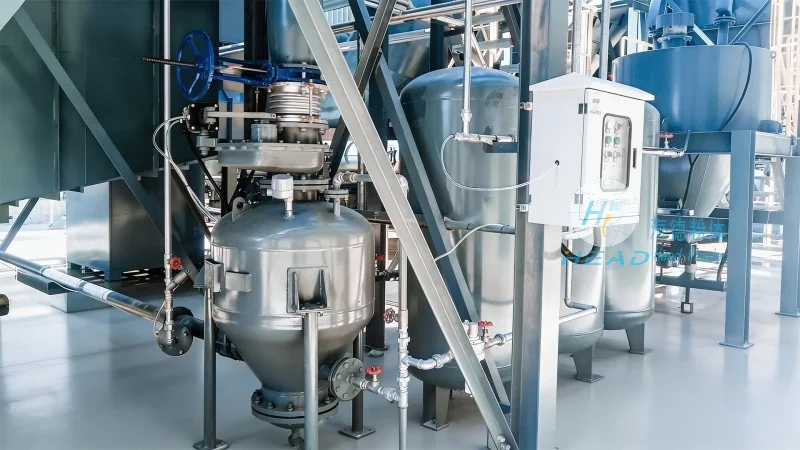
The core components of an embolism-type material handling system include embolic valves, material pumps, and transport conduits. Each component plays a vital role in the overall operation. Embolic valves are designed to regulate the flow of material, preventing backflow and maintaining consistent pressure. These valves can be automated or manually controlled, depending on the system requirements. Material pumps, typically positive displacement pumps, are responsible for generating the necessary pressure to move the material through the system. The choice of pump type depends on the material's properties, such as viscosity and particle size. Transport conduits, often made of durable materials like stainless steel or plastic, provide the pathway for material movement and are designed to withstand the pressures and temperatures involved. Together, these components form a cohesive system that ensures efficient and safe material transport.
Operation Process of Embolism Material Handling
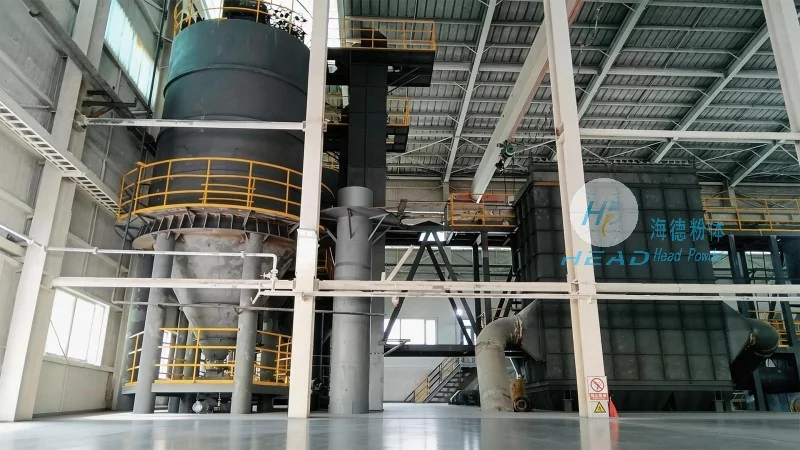
The operation process of an embolism-type material handling system involves several sequential steps that ensure smooth and controlled material movement. The first step is the loading of material into the system, typically through a hopper or feeder. The material is then drawn into the pump, which generates the pressure needed to initiate transport. As the pump operates, the embolic valves open to allow material to flow through the conduits. The valves then close to prevent backflow, maintaining the pressure within the system. This cycle repeats as the material is transported to its destination. The system may include additional components such as filters or separators to ensure material quality and consistency. The operation process is carefully calibrated to match the material's characteristics, ensuring optimal performance and minimal wear on components.
Working Principle of Embolism Material Handling
The working principle of embolism material handling is based on the principles of fluid dynamics and pressure control. The system operates by creating a series of discrete "emboli" or material blocks that are moved through the conduits. Each embolus is separated by a controlled pressure drop, which prevents mixing and ensures uniform material distribution. The pump generates the necessary pressure to push these emboli forward, while the valves regulate the flow rate and prevent backflow. The system's efficiency is enhanced by the use of positive displacement pumps, which provide consistent flow rates regardless of pressure changes. Additionally, the embolic valves are designed to open and close rapidly, minimizing the time material spends in the system and reducing the risk of degradation. The working principle is adaptable to various materials, from powders to granules, by adjusting pump speed, valve settings, and conduit dimensions.
Advantages of Embolism-Type Material Handling
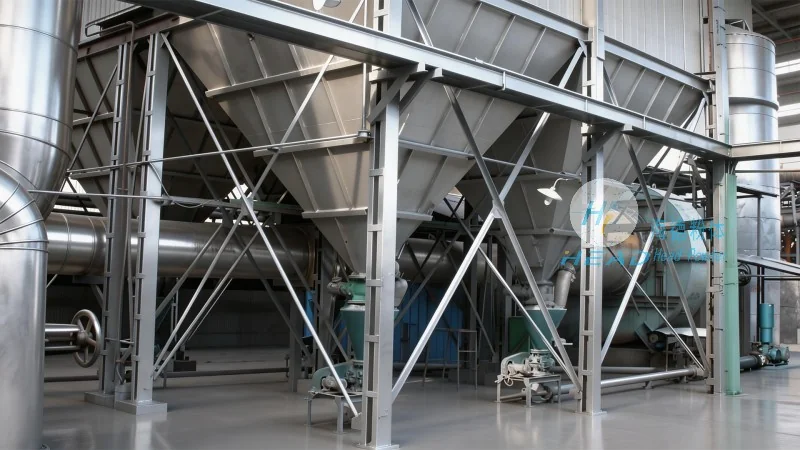
Embolic material handling systems offer several advantages over traditional transport methods. One key benefit is the ability to maintain consistent material flow and pressure, which reduces the risk of material degradation or contamination. The controlled environment also minimizes dust and spillage, improving workplace safety and compliance with regulations. Additionally, the system's modular design allows for easy integration with existing production lines, reducing installation time and costs. The use of stainless steel components ensures durability and resistance to corrosion, extending the system's lifespan. For industries requiring high precision and reliability, embolism material handling provides a superior solution compared to other transport methods.
Applications in Industrial Settings
Embolic material handling systems are widely used in various industrial applications. In the pharmaceutical industry, these systems are essential for transporting active pharmaceutical ingredients (APIs) and excipients with high purity requirements. The controlled environment and minimal contact with equipment ensure that the materials remain free from contamination, meeting stringent regulatory standards. In food processing, embolism systems are used to transport ingredients like flour, sugar, and spices, maintaining product quality and safety. The system's ability to handle fine powders without clogging or segregation makes it ideal for food applications. In chemical manufacturing, embolism material handling is used to transport reactive chemicals and powders, where precise control is critical to prevent accidents and ensure product consistency. The versatility of embolism systems makes them suitable for a wide range of industrial needs, from small-scale operations to large-scale production facilities.
Maintenance and Operational Considerations
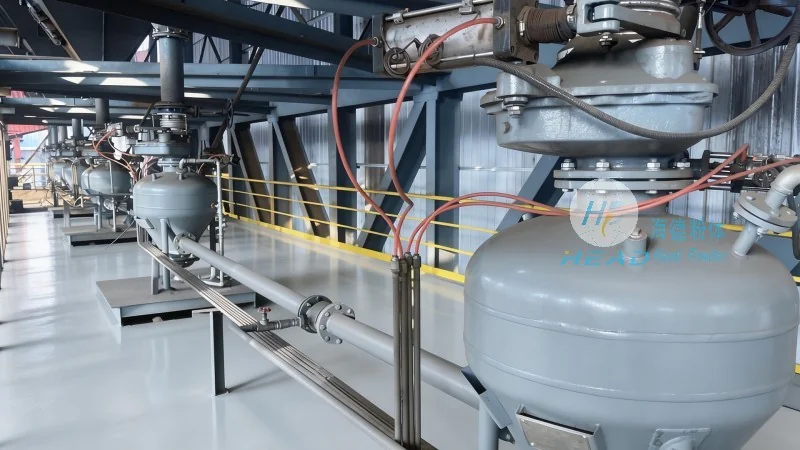
Proper maintenance is crucial for the long-term performance and reliability of embolism material handling systems. Regular inspection of components, such as embolic valves and pumps, is necessary to ensure they are functioning correctly. Cleaning and lubrication of moving parts help prevent wear and tear, extending the system's lifespan. Additionally, monitoring pressure and flow rates during operation helps identify potential issues before they become major problems. The system's design allows for easy access to components, facilitating maintenance and repairs. It is also important to consider the material's properties when operating the system, as changes in viscosity or particle size may require adjustments to pump speed or valve settings. By following proper maintenance procedures and operational guidelines, users can maximize the efficiency and lifespan of their embolism material handling systems.
Conclusion
Embolic material handling systems represent a sophisticated and effective solution for industrial material transport. By understanding the operation process and working principles, users can optimize system performance and ensure reliable material handling operations. The key components, sequential operation steps, and working principles of these systems contribute to their efficiency and reliability. As industries continue to demand higher precision and safety in material handling, embolism technology remains a critical component of modern industrial processes. For companies seeking to enhance their material transport capabilities, embolism material handling systems offer a superior solution that meets the needs of today's demanding industrial environments.




