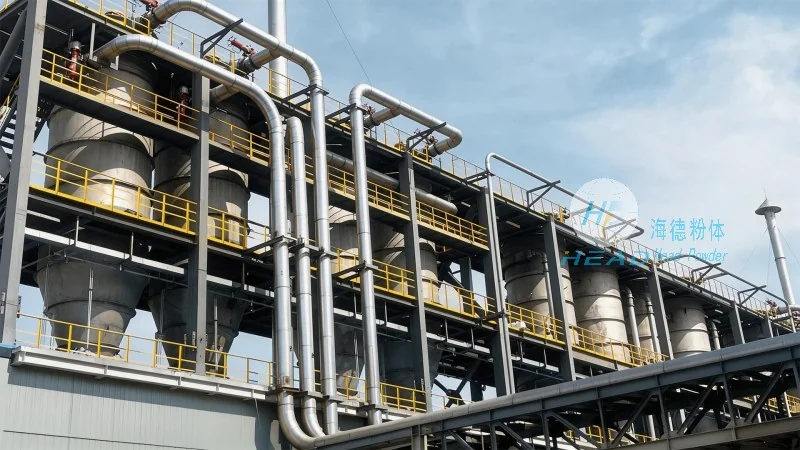
HeadPowder, a leading enterprise in the field of material handling solutions, specializes in the design, manufacturing, and implementation of efficient dry sand conveying systems. Based in Shandong, China, the company has established itself as a trusted provider of advanced equipment tailored to the unique challenges of transporting dry sand and similar bulk materials. This article delves into the operational process and working principles of dry sand material conveying, highlighting the key components, mechanisms, and benefits of such systems.
Company Profile and Expertise
Shandong HeadPowder Engineering Co., Ltd., commonly known as HeadPowder, is dedicated to delivering high-performance material handling solutions. With a strong presence in Shandong, China, the company leverages years of industry experience to develop and deploy cutting-edge conveying technologies. HeadPowder's expertise lies in understanding the specific demands of dry sand transportation, ensuring that their systems are optimized for efficiency, reliability, and durability. By focusing on the unique properties of dry sand—such as its fine particle size, low moisture content, and potential for dust generation—the company designs solutions that address these challenges effectively.
Understanding Dry Sand Material Conveying
Dry sand material conveying involves the movement of bulk dry sand from a source to a destination, typically using mechanical equipment. The process is critical in various industries, including construction, mining, and manufacturing, where dry sand is a key raw material. The goal is to transport the material with minimal loss, contamination, and energy consumption. To achieve this, specialized conveying systems are employed, which are designed to handle the specific characteristics of dry sand while ensuring smooth and continuous operation.
Key Components of a Dry Sand Conveying System
A typical dry sand conveying system consists of several interconnected components that work in harmony to achieve the desired material transport. The primary components include a feed hopper, a conveyor mechanism (such as a screw conveyor, belt conveyor, or pneumatic conveyor), a drive system, and a control unit. Each component plays a vital role in the overall operation:
1. **Feed Hopper**: This is the initial stage where dry sand is introduced into the system. The hopper is designed to store and regulate the flow of sand, ensuring a consistent feed rate to the conveyor. It may include features like a gate or valve to control the discharge of material, preventing overloading or spillage.
2. **Conveyor Mechanism**: The core of the conveying system, this component is responsible for moving the dry sand from the hopper to the discharge point. Different types of conveyors are used depending on the application, with screw conveyors being common for dry sand due to their ability to handle fine particles and maintain a stable flow. Belt conveyors are also used in some cases, especially for longer distances or when transporting larger quantities.
3. **Drive System**: This component provides the necessary power to operate the conveyor mechanism. It typically includes a motor, gearbox, and pulleys or belts that transmit the mechanical energy to the conveyor. The drive system is designed to deliver consistent torque and speed, ensuring smooth and efficient material movement.
4. **Control Unit**: The control unit monitors and regulates the operation of the entire system. It may include sensors to detect the level of material in the hopper, the speed of the conveyor, and any potential blockages or malfunctions. The control unit allows for real-time adjustments, ensuring optimal performance and preventing downtime.
The Operational Process of Dry Sand Conveying
The operation of a dry sand conveying system follows a sequential process, starting from the intake of material to its discharge at the destination. The steps involved are as follows:
1. **Material Intake**: Dry sand is fed into the hopper from a storage silo or a bulk container. The hopper’s design ensures that the material is evenly distributed and prevents clogging at the inlet.
2. **Flow Regulation**: The control unit adjusts the gate or valve in the hopper to regulate the flow rate of dry sand. This step is crucial to maintain a consistent feed to the conveyor, preventing overloading and ensuring smooth operation.
3. **Conveyor Movement**: The drive system activates the conveyor mechanism, which moves the dry sand from the hopper to the discharge point. The screw conveyor, for example, uses a rotating screw to push the material forward, while a belt conveyor relies on the friction between the belt and the material to transport it.
4. **Material Discharge**: At the discharge end, the dry sand is released into a receiving container or directly to the next processing stage. The system may include a discharge chute or a hopper to collect the material, ensuring that it is delivered accurately and without spillage.
5. **Monitoring and Control**: Throughout the process, the control unit continuously monitors the system’s performance. Sensors detect any changes in flow rate, speed, or material level, and the control unit adjusts the operation accordingly. This ensures that the system operates efficiently and safely, minimizing the risk of breakdowns or material loss.
Working Principles of Dry Sand Conveying Systems
The working principles of dry sand conveying systems are based on the physical properties of dry sand and the mechanical principles of material handling. The primary principles include gravity, friction, and mechanical force. The system leverages these principles to move the dry sand from one location to another without the need for external forces like pressure or vacuum, except in pneumatic conveying systems.
1. **Mechanical Conveying**: In mechanical systems, such as screw or belt conveyors, the movement of dry sand is achieved through the application of mechanical force. The screw conveyor, for instance, uses a rotating screw to push the material forward, while the belt conveyor uses the friction between the belt and the material to transport it. This method is efficient for dry sand because it can handle fine particles without causing segregation or loss.
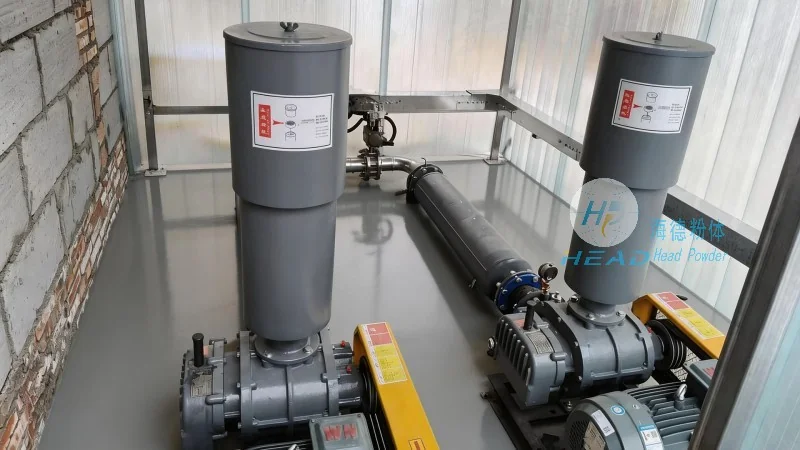
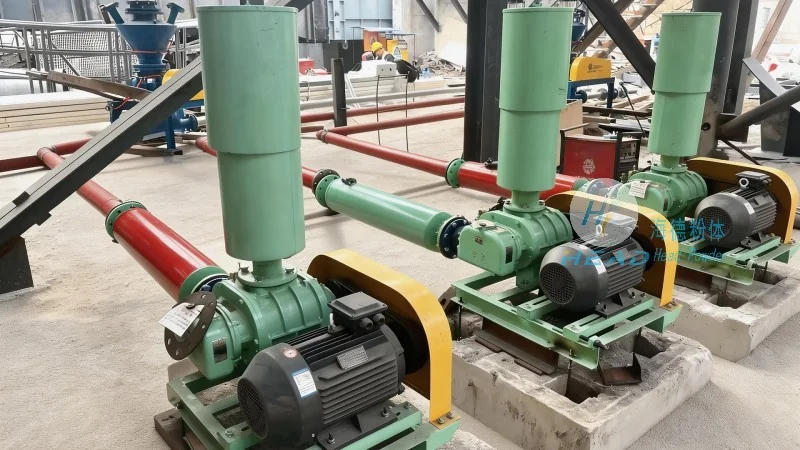
2. **Pneumatic Conveying**: For longer distances or when the dry sand needs to be transported through vertical or horizontal paths, pneumatic conveying systems are used. These systems utilize air pressure to move the material through a pipeline. The dry sand is mixed with air and carried through the pipeline to the discharge point. This method is particularly effective for handling dry sand that is prone to dust or requires a dust-free environment.
3. **Gravity and Inclination**: Some conveying systems use the principle of gravity to move dry sand down an inclined plane. The hopper and conveyor are designed with a slight inclination to allow the material to flow under the influence of gravity. This method is simple and cost-effective but is limited by the distance and the angle of inclination.
4. **Control and Automation**: Modern dry sand conveying systems incorporate advanced control and automation technologies. Sensors and control units monitor the system’s performance in real time, allowing for adjustments to be made automatically. This ensures that the system operates at optimal efficiency, reduces human intervention, and minimizes the risk of errors or accidents.
Benefits of Dry Sand Conveying Systems
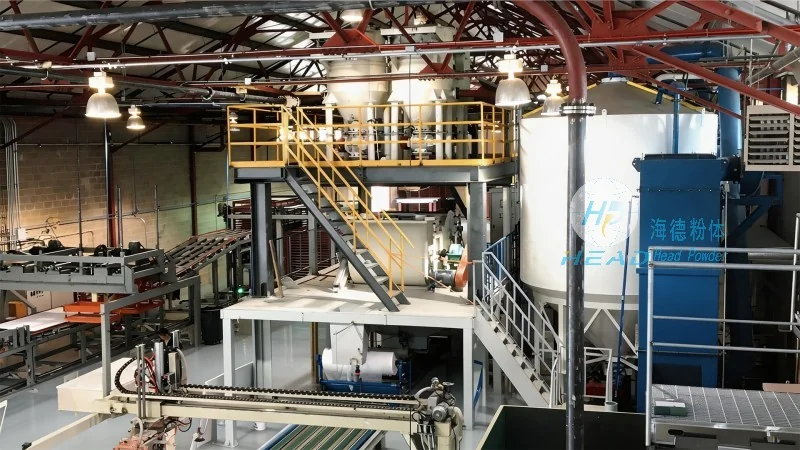
Implementing a dry sand conveying system offers several benefits to industries that rely on bulk material handling. These benefits include:
1. **Efficiency and Cost-Effectiveness**: Dry sand conveying systems are designed to transport material with minimal energy consumption and operational costs. By optimizing the flow rate and reducing material loss, these systems help reduce overall production costs.
2. **Reliability and Durability**: High-quality materials and robust construction ensure that the conveying system operates reliably over long periods. This reduces downtime and maintenance costs, improving overall productivity.
3. **Safety and Environmental Protection**: Modern systems are equipped with safety features, such as dust suppression and containment, to protect workers and the environment. The use of enclosed conveyors minimizes dust emissions, ensuring a safe working environment.
4. **Flexibility and Adaptability**: Dry sand conveying systems can be customized to meet the specific needs of different applications. Whether it’s a small-scale operation or a large industrial plant, the system can be adjusted to handle varying quantities and types of dry sand.
Conclusion
HeadPowder, with its expertise in dry sand material conveying, provides comprehensive solutions that address the unique challenges of transporting dry sand. By understanding the operational process and working principles of such systems, industries can optimize their material handling processes, improve efficiency, and reduce costs. The company’s commitment to quality and innovation ensures that its customers receive reliable and effective conveying systems tailored to their specific needs. For businesses looking to enhance their dry sand transportation capabilities, HeadPowder offers a trusted partner in achieving efficient and sustainable material handling solutions.




