At Shandong HeadPowder Engineering Co., Ltd., we specialize in the design, manufacturing, and implementation of advanced material handling systems tailored for the transportation of lithium fluoride. Our expertise ensures that every aspect of the process, from initial loading to final discharge, is optimized for efficiency, safety, and reliability. This article delves into the operational workflow and underlying principles governing the material handling of lithium fluoride, highlighting the critical components and best practices that define our approach.
Company Overview and Expertise
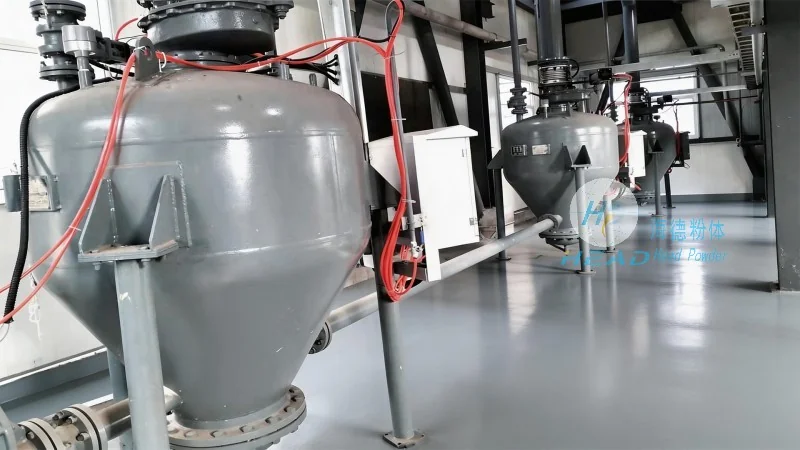
Shandong HeadPowder Engineering Co., Ltd., commonly known as HeadPowder, is a leading provider of engineering solutions for the chemical and material processing industries. With a strong focus on innovation and precision, our company has built a reputation for delivering high-quality equipment and systems that meet the stringent requirements of modern industrial applications. Our team of experienced engineers and technicians brings decades of combined knowledge to every project, ensuring that our solutions are both effective and durable. Based in Shandong, China, HeadPowder serves clients globally, offering customized material handling solutions that adapt to the unique needs of each operation.
Understanding Lithium Fluoride and Its Handling Requirements
Lithium fluoride (LiF) is a chemical compound widely used in various industrial applications, including the production of ceramics, glass, and as a flux in metallurgical processes. Due to its properties, such as being hygroscopic and potentially reactive under certain conditions, handling lithium fluoride requires specialized equipment and procedures. Our material handling systems are designed to address these challenges, ensuring that the material is transported safely and efficiently. The process involves careful consideration of factors like temperature control, moisture protection, and containment to prevent any adverse reactions or environmental hazards.
The Material Handling Process: Step-by-Step Overview
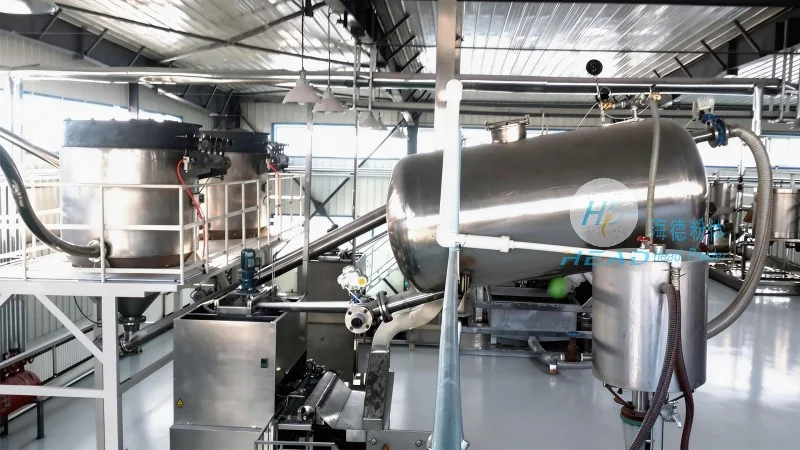
The operation of lithium fluoride material handling begins with the initial loading of the material into the system. This step typically involves using bulk storage silos or hopper systems that are equipped with appropriate sealing and ventilation to maintain the material's quality. Once loaded, the material is transferred through a series of conveyors, such as belt conveyors or pneumatic systems, depending on the specific requirements of the application. Each stage of the transfer process is monitored for flow consistency and any signs of blockage or degradation. The system is designed to minimize exposure to air and moisture, which can affect the material's purity and handling characteristics.
Key Components and Their Functions in the System
Several critical components work in tandem to ensure the smooth operation of the lithium fluoride material handling system. The primary components include bulk storage silos, which store the material in a controlled environment; conveyor systems, such as belt or screw conveyors, that transport the material from the storage area to the processing unit; and pneumatic or vacuum systems for handling fine powders or when precise control over the material flow is necessary. Each component is engineered to handle the specific properties of lithium fluoride, including its density, flowability, and potential reactivity. For example, the conveyor belts are often made of materials resistant to chemical exposure, and the silos are equipped with anti-static features to prevent dust accumulation and potential explosions.
Control Systems and Automation for Optimal Performance
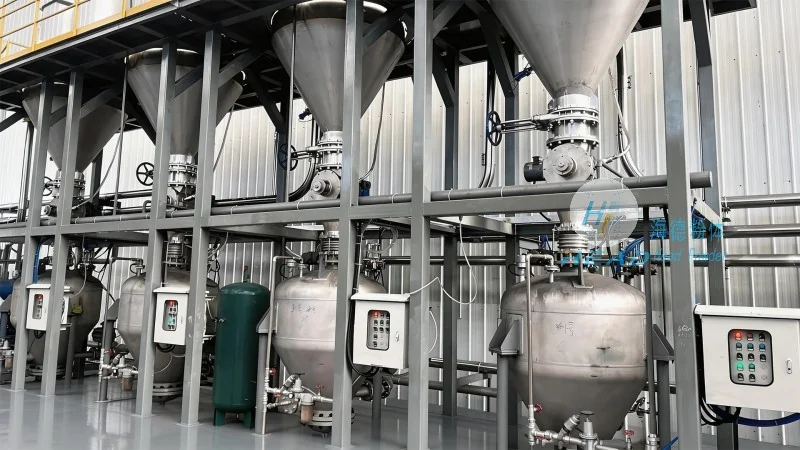
Modern material handling systems for lithium fluoride rely heavily on advanced control systems and automation to ensure consistent performance and safety. These systems use sensors and monitoring devices to track the material level in silos, detect any blockages or malfunctions in the conveyor lines, and adjust the flow rate as needed. Automation also helps in maintaining the proper temperature and humidity conditions within the system, which are crucial for preserving the quality of lithium fluoride. By integrating these technologies, our systems achieve high levels of efficiency, reducing downtime and operational costs while enhancing safety for personnel.
Ensuring Safety and Compliance in Material Handling
Handling lithium fluoride involves strict adherence to safety protocols and regulatory standards. Our systems are designed with multiple safety features, including emergency shut-off valves, dust suppression systems, and proper ventilation to minimize exposure to airborne particles. Regular maintenance and inspections are conducted to ensure that all components are functioning correctly and that the system remains compliant with local and international safety regulations. At HeadPowder, we prioritize the safety of our clients and their personnel, implementing best practices that align with industry standards and guidelines.
Customization and Adaptability for Diverse Applications
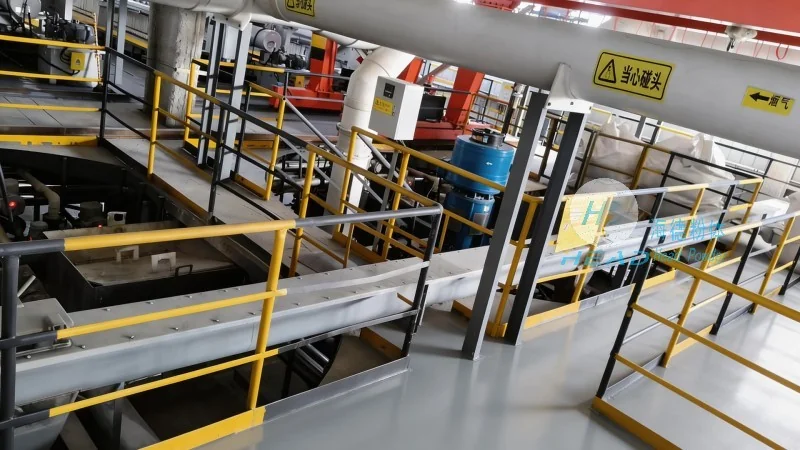
Recognizing that each industrial operation has unique requirements, HeadPowder offers customized material handling solutions for lithium fluoride. Our engineers work closely with clients to understand their specific needs, whether it's for small-scale laboratory applications or large-scale industrial production. The systems can be tailored in terms of capacity, speed, and integration with existing equipment, ensuring seamless operation within the client's facility. This adaptability allows our clients to optimize their processes while maintaining the highest standards of quality and safety.
Conclusion: The Importance of Specialized Material Handling
The efficient and safe handling of lithium fluoride is essential for the success of any industrial operation that utilizes this material. At Shandong HeadPowder Engineering Co., Ltd., we are committed to providing cutting-edge material handling systems that meet the demanding requirements of lithium fluoride transportation. By combining advanced technology, expert engineering, and a focus on safety, we deliver solutions that enhance productivity, reduce costs, and ensure compliance with industry standards. Our experience and dedication to excellence make us a trusted partner for clients seeking reliable material handling solutions in the chemical and industrial sectors.




