Denitrator material conveying systems are critical components in industrial processes, particularly in facilities that utilize selective catalytic reduction (SCR) technology for nitrogen oxide (NOx) control. The efficient and reliable operation of these systems directly impacts the overall performance and environmental compliance of power plants and other industrial operations. This article provides a detailed overview of the operating process and working principle of denitrator material conveying, with a focus on the expertise of Shandong HeadPowder Engineering Co., Ltd., a leading provider of engineering solutions for such systems.
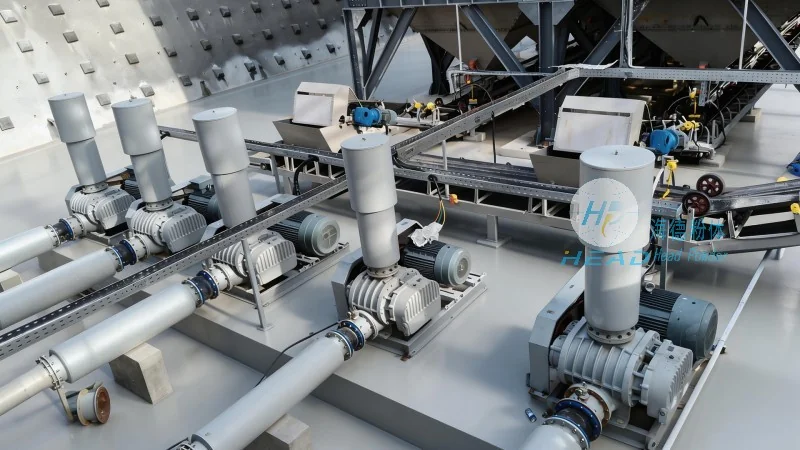
Company Background and Expertise
Shandong HeadPowder Engineering Co., Ltd., headquartered in Shandong, China, specializes in the design, manufacturing, and installation of advanced material handling systems for various industrial applications. With years of experience in the field, the company has developed a deep understanding of the unique challenges associated with denitrator material, such as its chemical properties, handling requirements, and the need for precise control in conveying operations. This expertise enables HeadPowder to deliver customized solutions that meet the specific needs of clients, ensuring optimal performance and longevity of the conveying systems.
Overview of Denitrator Material Conveying Systems
Denitrator material, typically a powdered or granular substance used in SCR systems, requires specialized conveying equipment to transport it from storage to the injection point. The primary goal of these systems is to ensure a consistent and controlled flow of the material, which is essential for maintaining the efficiency of the denitrification process. Conveying systems for denitrator material often incorporate components such as hoppers, feeders, conveyors (e.g., screw conveyors, pneumatic conveyors), and control mechanisms that work in tandem to achieve the desired material movement.
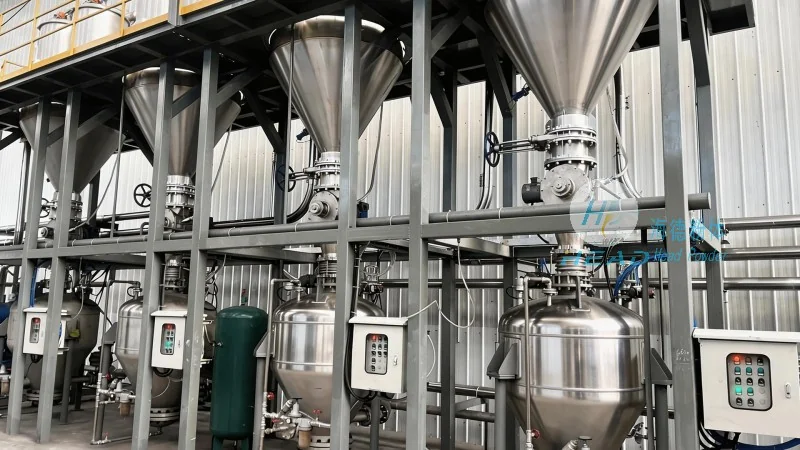
Operating Process of Denitrator Material Conveying
The operating process of a denitrator material conveying system typically involves several sequential steps, each designed to ensure the safe and efficient transfer of the material. The process begins with the storage of the denitrator material in a hopper or silo, where it is held under controlled conditions to prevent degradation or caking. From the hopper, the material is fed into a feeder, which regulates the flow rate based on the system's requirements. The feeder then transfers the material to the conveyor, which transports it to the injection point or other processing equipment. Throughout this process, various sensors and control systems monitor parameters such as flow rate, pressure, and temperature to maintain optimal operation and prevent issues like blockages or overloading.
Working Principle of Key Components
To understand the overall operation, it is essential to examine the working principles of the key components involved in denitrator material conveying. The hopper serves as the primary storage vessel, designed with sloped walls to facilitate material flow and prevent bridging or arching, which can disrupt the conveying process. The feeder, often a rotary valve or a screw feeder, provides a controlled discharge of material from the hopper, ensuring a steady flow rate that matches the conveyor's capacity. The conveyor, whether a screw conveyor or a pneumatic system, uses mechanical or pneumatic forces to move the material through the system. Screw conveyors utilize rotating screws to push the material forward, while pneumatic conveyors use air pressure to transport the material in a slurry or dry form. Each component works in concert to ensure the material is transported efficiently and without loss or degradation.
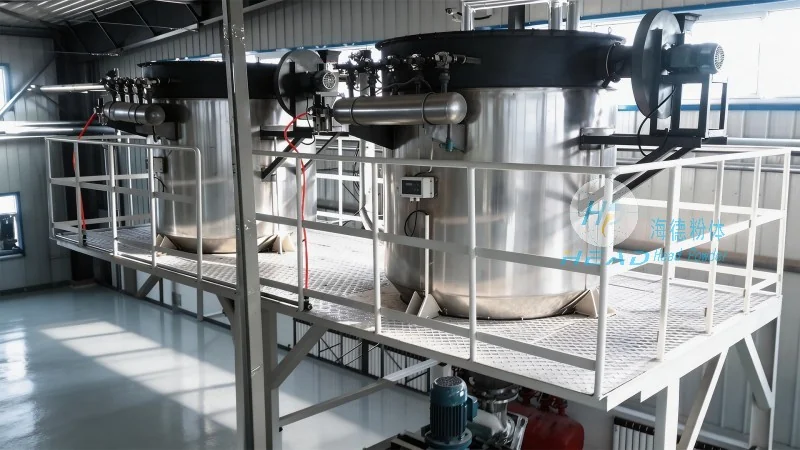
Control and Monitoring Systems
Modern denitrator material conveying systems are equipped with advanced control and monitoring systems that enhance operational reliability and safety. These systems typically include sensors for level measurement (in the hopper), flow rate monitoring (in the feeder and conveyor), pressure sensors, and temperature sensors. The data collected by these sensors is processed by a control unit, which adjusts the system parameters in real-time to maintain optimal performance. For example, if the hopper level is low, the control system may trigger a signal to refill the hopper. Similarly, if the conveyor experiences a blockage, the system can automatically shut down or adjust the flow rate to prevent damage. This integration of sensors and controls ensures that the conveying process is continuous, efficient, and safe, minimizing downtime and operational risks.
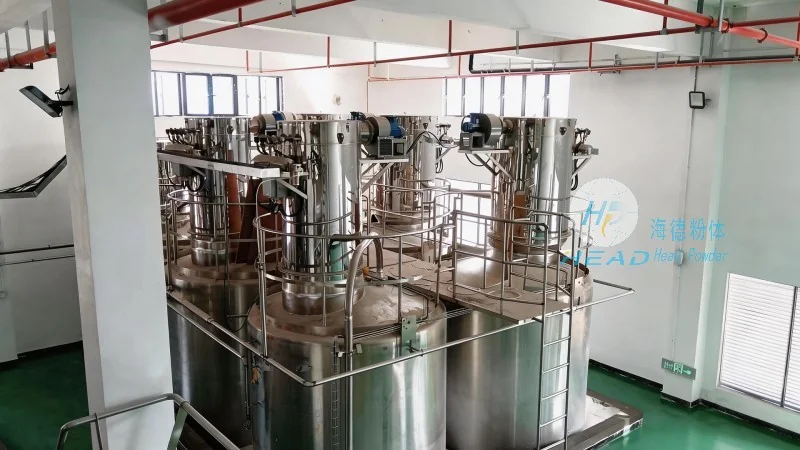
Maintenance and Operational Considerations
Proper maintenance is crucial for the long-term performance and reliability of denitrator material conveying systems. Regular inspections and maintenance activities, such as cleaning the hopper and conveyor, lubricating moving parts, and checking for wear and tear, are essential to prevent issues like clogging or equipment failure. Additionally, the material properties of denitrator material, such as its moisture content and particle size, can affect the conveying process. For instance, high moisture content may lead to caking, which can impede material flow. Therefore, monitoring the material's properties and adjusting the conveying parameters accordingly is important to maintain system efficiency. Shandong HeadPowder Engineering Co., Ltd. provides comprehensive maintenance services and technical support to ensure that clients' conveying systems operate at peak performance, extending their lifespan and reducing operational costs.
Conclusion
In conclusion, the operating process and working principle of denitrator material conveying are complex and require careful design and implementation. The expertise of companies like Shandong HeadPowder Engineering Co., Ltd. is vital in ensuring that these systems operate efficiently and reliably, contributing to the overall success of industrial operations that rely on denitrification technology. By understanding the key components, control systems, and maintenance considerations, stakeholders can make informed decisions to optimize their denitrator material conveying processes and achieve their environmental and operational goals.




