For companies in the ceramic industry, efficient material handling is crucial to maintaining production efficiency and product quality. The ceramic powder material handling system, as a key component of the production line, plays a vital role in the entire production process. This article will introduce the operation process and working principle of such systems, focusing on the core components and operational mechanisms that ensure smooth material flow.
Core Components of the Material Handling System
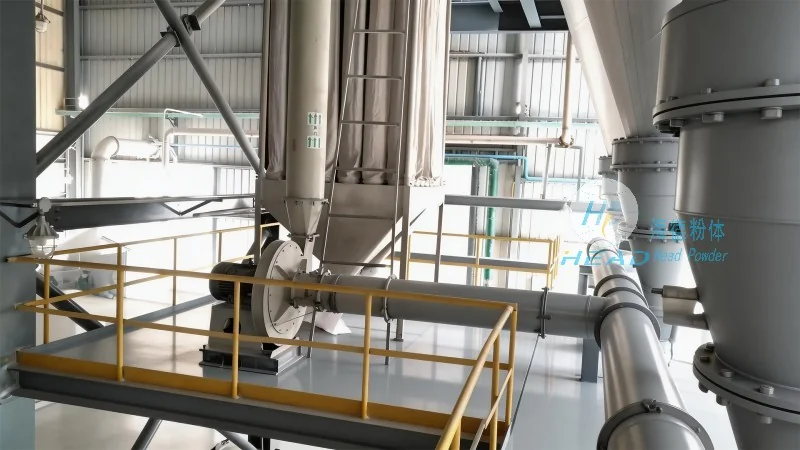
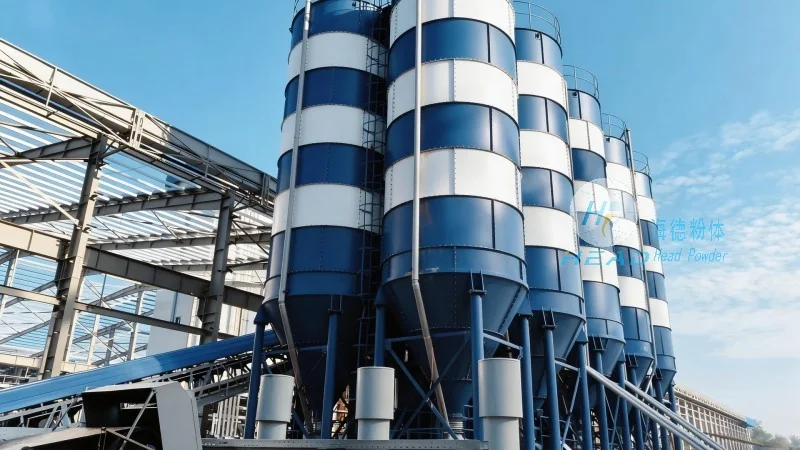
The ceramic powder material handling system typically consists of several key components, each with specific functions to ensure the system operates efficiently. The primary components include feeders, conveyors, storage silos, and control systems. Feeders are responsible for uniformly feeding ceramic powder from the storage silo into the conveying system. Common types of feeders include rotary valves and screw feeders, which can adjust the feeding rate according to production needs. Conveyors, such as pneumatic conveying systems or mechanical conveyors, transport the powder from one processing stage to another. Storage silos are used to store large quantities of ceramic powder, providing a stable material supply for continuous production. The control system integrates all components, monitoring and adjusting the operation parameters in real time to ensure the system runs stably and safely.
Operation Process of the Material Handling System
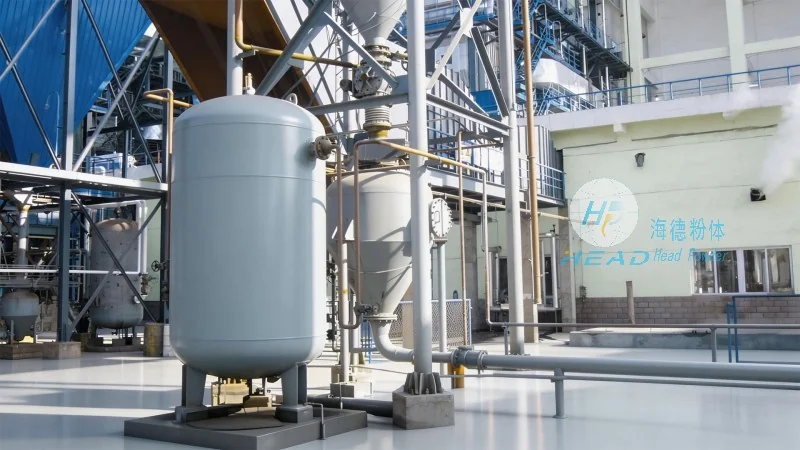
The operation process of the ceramic powder material handling system generally follows a standardized sequence to ensure the smooth flow of materials. First, the ceramic powder is stored in the storage silo. The feeder then starts to feed the powder into the conveying system at a predetermined rate. The conveyor transports the powder to the next processing unit, such as a mixer or a press. During the conveying process, the system continuously monitors the pressure, flow rate, and other parameters to ensure the material is conveyed without blockages or leaks. When the powder reaches the processing unit, the feeder adjusts the feeding amount according to the unit's requirements. The control system plays a key role in coordinating the operation of each component, ensuring that the entire system operates in a synchronized manner. In addition, the system includes safety devices such as pressure relief valves and overload protection to prevent accidents and ensure safe operation.
Working Principle of the Material Handling System
The working principle of the ceramic powder material handling system is based on the principles of material flow and energy transfer. The system uses mechanical or pneumatic methods to transport ceramic powder from the storage silo to the processing equipment. For pneumatic conveying systems, the powder is mixed with air and transported through pipelines under pressure. The air flow provides the necessary force to move the powder, while the pipeline design ensures the powder is conveyed smoothly without segregation or agglomeration. For mechanical conveyors, such as belt conveyors or bucket elevators, the powder is transported by the movement of the conveyor belt or buckets. The control system adjusts the speed and direction of the conveyor to control the material flow rate. The storage silo uses a hopper design to ensure the powder flows uniformly into the feeder, preventing material bridging or caking. The feeder adjusts the feeding rate by changing the rotation speed or screw pitch, maintaining a stable material flow. The entire system operates under the control of the central control system, which collects data from various sensors and adjusts the operation parameters in real time to optimize the system performance.
Key Features and Advantages
The ceramic powder material handling system has several key features that make it suitable for the ceramic industry. First, it can handle fine powders without causing segregation or agglomeration, which is crucial for maintaining product quality. The system is also designed to be energy-efficient, reducing operating costs. The modular design allows for easy expansion and maintenance, which is important for long-term production. The system's high automation level reduces the need for manual intervention, improving production efficiency and safety. Additionally, the system is equipped with advanced sensors and monitoring systems, which can detect abnormalities and alert operators in real time, preventing potential production issues.




