HeadPowder, a leading provider of industrial material handling solutions, specializes in the design and implementation of efficient sand material conveying lines. These systems are critical in various industries, including construction, mining, and manufacturing, where the reliable and continuous transport of bulk materials like sand is essential for operational efficiency. This article delves into the operation process and working principles of such conveying lines, highlighting the key components, step-by-step procedures, and the advantages offered by HeadPowder's engineering expertise.
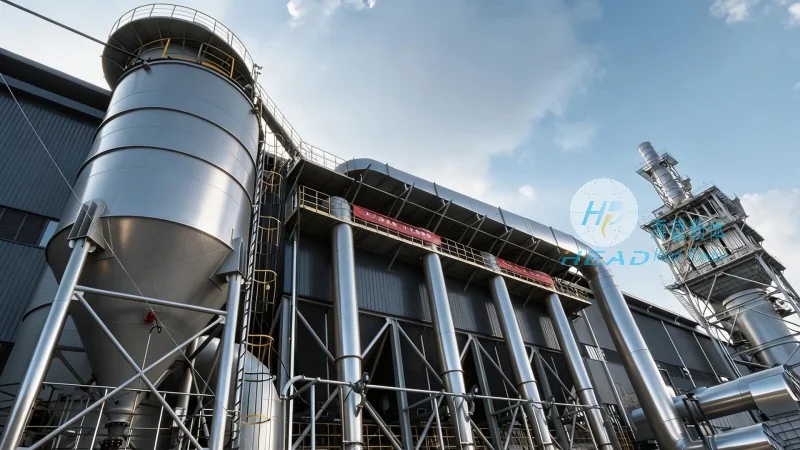
Key Components of the Sand Material Conveying System
The sand material conveying line typically consists of several integral components that work in tandem to ensure smooth and efficient operation. The primary elements include:
- Conveyor Belt: A durable, heavy-duty belt made from materials like rubber or PVC, designed to withstand the weight and abrasiveness of sand particles. The belt's surface may feature textured patterns to enhance grip and prevent material slippage.
- Drive System: Comprising a motor, gearbox, and pulleys, this component provides the necessary mechanical power to move the conveyor belt. The motor converts electrical energy into rotational force, which is transmitted through the gearbox to increase torque and reduce speed for optimal belt movement.
- Tensioning Mechanism: Essential for maintaining proper belt tension, this system prevents the belt from sagging or slipping. It typically includes a take-up pulley or a screw-adjustable tensioner that can be manually or automatically adjusted to accommodate belt wear and varying load conditions.
- Feeding Hopper: A container or hopper that collects sand from a storage silo or bulk container and feeds it onto the conveyor belt. The hopper is often equipped with a gate or valve to control the flow rate of the material, ensuring a steady and uniform feed.
- Discharge Chute: The outlet where the sand is discharged from the conveyor belt. It may be designed with a sloped or vertical configuration to direct the material into a storage bin, truck, or processing unit, minimizing spillage and ensuring safe handling.
- Support Structure: A robust frame or support system that holds all components in place, providing stability and alignment. This structure is usually constructed from steel to withstand heavy loads and environmental factors.
Working Principle of the Conveying Process
The operation of a sand material conveying line is based on the principle of mechanical transport, where the conveyor belt acts as a moving surface to carry the sand from the inlet to the outlet. The process begins when sand is introduced into the feeding hopper. As the hopper's gate opens, the sand flows into the conveyor belt, which is continuously moving due to the drive system. The belt's motion pulls the sand along its path, and the tensioning mechanism ensures the belt remains taut, preventing sagging that could cause material accumulation or belt damage.
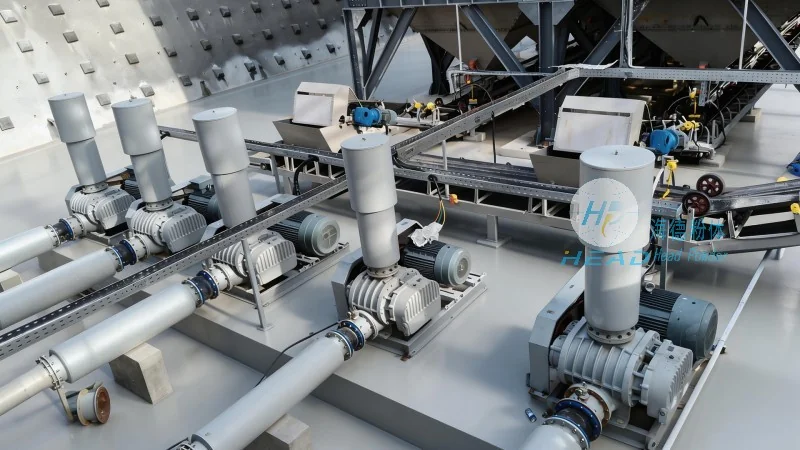
The speed of the conveyor belt is carefully controlled to match the material's flow rate and the system's capacity. This control is crucial for maintaining a consistent throughput, avoiding overloading the conveyor and reducing the risk of blockages. The discharge chute then receives the sand as it reaches the end of the belt, where it is transferred to the next stage of processing or storage.
Step-by-Step Operation Process
1. Preparation and Setup: Before operation, the conveying line is inspected for any damage or wear to the belt, pulleys, or structural components. The feeding hopper is filled with sand, and the discharge chute is positioned to receive the material. Safety checks, including ensuring all guards are in place and emergency stop buttons are functional, are conducted.
2. Start-up Sequence: The drive motor is activated, and the conveyor belt begins to move. The speed is gradually increased to the desired operational level, allowing the sand to start flowing smoothly onto the belt. The tensioning mechanism is adjusted as needed to maintain optimal belt tension during the initial phase.
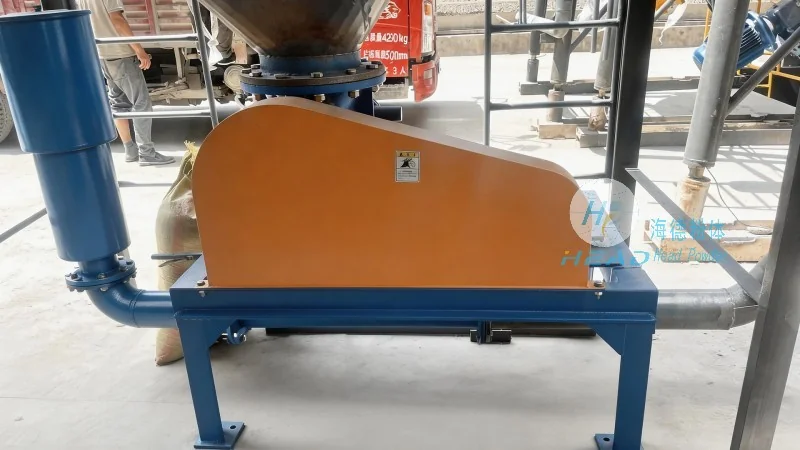
3. Material Transport: Once the belt is running at full speed, sand is continuously fed from the hopper. The material travels along the belt's length, with the support structure ensuring the belt remains level and aligned. The discharge chute captures the sand as it reaches the end, and the material is discharged into the receiving container or unit.
4. Monitoring and Control: During operation, the system is monitored for any signs of abnormal behavior, such as increased noise, belt slippage, or material buildup. Sensors and control panels may be used to adjust the feed rate or belt speed in real-time, ensuring the system operates within its designed parameters. The tensioning mechanism is periodically checked and adjusted to compensate for belt wear and changing load conditions.
5. Shutdown and Maintenance: When the conveying operation is complete, the motor is turned off, and the conveyor belt is allowed to come to a complete stop. The feeding hopper is emptied, and the discharge chute is cleared of any remaining sand. Routine maintenance tasks, such as inspecting the belt for cracks or abrasions, lubricating moving parts, and cleaning the system, are performed to ensure the equipment remains in good working condition and to extend its service life.
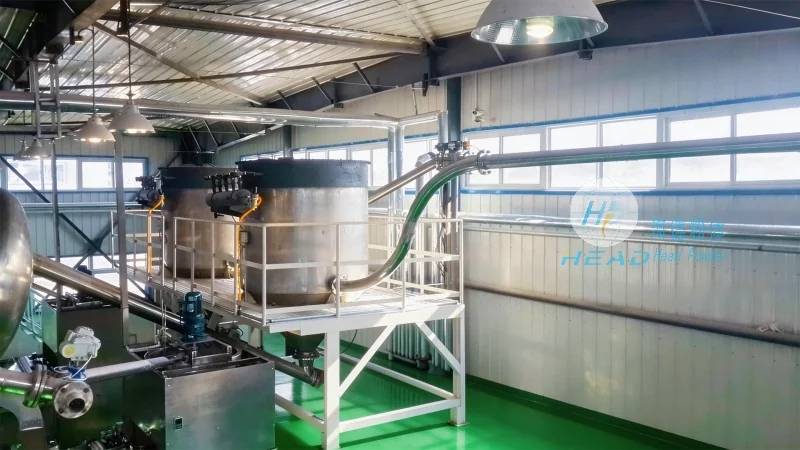
Advantages of HeadPowder's Sand Material Conveying Solutions
HeadPowder Engineering Co., Ltd., based in Shandong, China, offers advanced sand material conveying lines that provide numerous benefits for industrial applications. These solutions are engineered to deliver high efficiency, reliability, and durability, making them ideal for demanding environments. Key advantages include:
- High Throughput and Efficiency: The robust design and optimized components of HeadPowder's conveying systems enable high material throughput, reducing downtime and increasing overall productivity. The conveyor belt's speed and tensioning system are tailored to handle the specific characteristics of sand, ensuring consistent and efficient transport.
- Low Energy Consumption: Advanced motor and gearbox technologies are used to minimize energy usage while maintaining the required power output. This results in lower operational costs and reduced environmental impact, aligning with sustainable industrial practices.
- Easy Maintenance and Durability: The use of high-quality materials and modular design allows for easy inspection, repair, and replacement of components. The conveyor belt and structural parts are constructed to withstand the abrasive nature of sand, minimizing wear and extending the system's lifespan.
- Customization and Flexibility: HeadPowder's engineering team can customize the conveying line to meet specific customer requirements, including varying belt lengths, widths, and incline angles. This flexibility ensures the system can be integrated seamlessly into existing production processes or new facility setups.
- Enhanced Safety Features: Safety is a top priority in HeadPowder's designs. The conveying lines are equipped with emergency stop buttons, safety guards, and overload protection systems to prevent accidents and ensure operator safety during operation.
Application Scenarios
Sand material conveying lines from HeadPowder are widely used in various industries where bulk material handling is critical. Some common application scenarios include:




