Shandong HeadPowder Engineering Co., Ltd., based in Shandong, China, specializes in the design, manufacturing, and implementation of advanced high-pressure dense-phase material conveying systems. These systems are engineered to efficiently transport bulk materials, such as powders and granules, over long distances with minimal product degradation and high reliability. The company's expertise lies in optimizing the performance of these systems to meet the specific needs of various industrial applications.
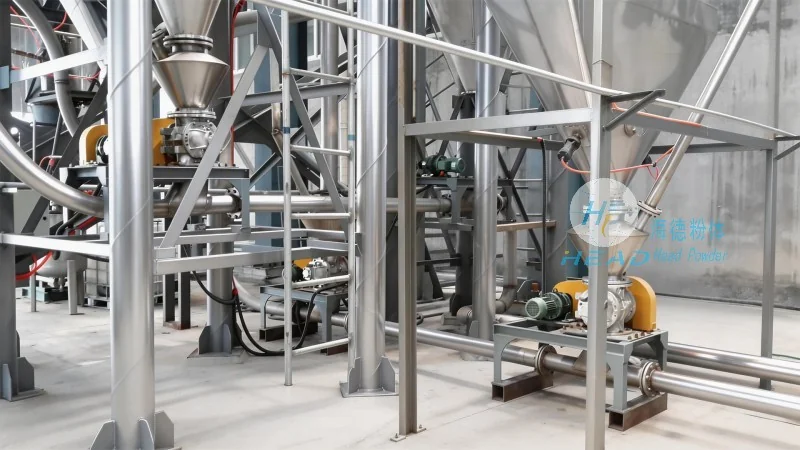
Company Overview and Core Capabilities
HeadPowder is a leading provider of material handling solutions, with a focus on high-pressure dense-phase conveying technology. The company's facilities in Shandong, China, house state-of-the-art equipment and a team of experienced engineers dedicated to developing innovative solutions. By leveraging years of industry experience, HeadPowder ensures that each system is tailored to the unique requirements of clients, whether in the chemical, food, or pharmaceutical sectors. The company's commitment to quality and efficiency has established it as a trusted partner in the material handling industry.
High-Pressure Dense-Phase Conveying System: Key Components and Design
The high-pressure dense-phase material conveying system consists of several critical components, each playing a vital role in the overall operation. The system typically includes a positive displacement pump, a pressure vessel, a control panel, and a pipeline network. The positive displacement pump is responsible for generating the necessary pressure to move the material through the pipeline. The pressure vessel acts as a buffer, maintaining consistent pressure and preventing fluctuations that could affect material flow. The control panel allows operators to monitor and adjust system parameters, ensuring optimal performance. The pipeline network, often equipped with special valves and fittings, directs the material from the source to the destination, minimizing friction and energy loss.
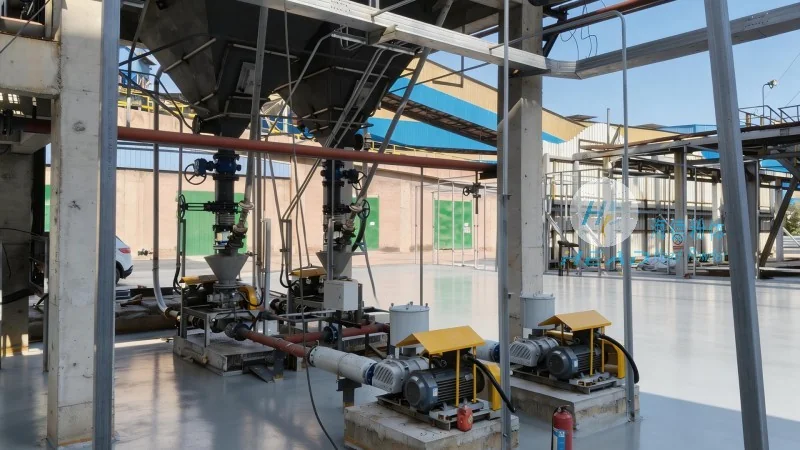
Operation Process: Step-by-Step Execution
The operation of a high-pressure dense-phase material conveying system follows a systematic process designed to ensure efficient and safe material transport. The process begins with the loading of the material into the pressure vessel. The pump then starts, generating the necessary pressure to push the material through the pipeline. As the material moves, it is suspended in a dense phase, which reduces the risk of segregation and product degradation. The system continuously monitors pressure and flow rates, adjusting as needed to maintain consistent performance. The material is discharged at the destination, where it can be further processed or stored. This step-by-step approach ensures that the system operates smoothly and reliably, minimizing downtime and maximizing productivity.
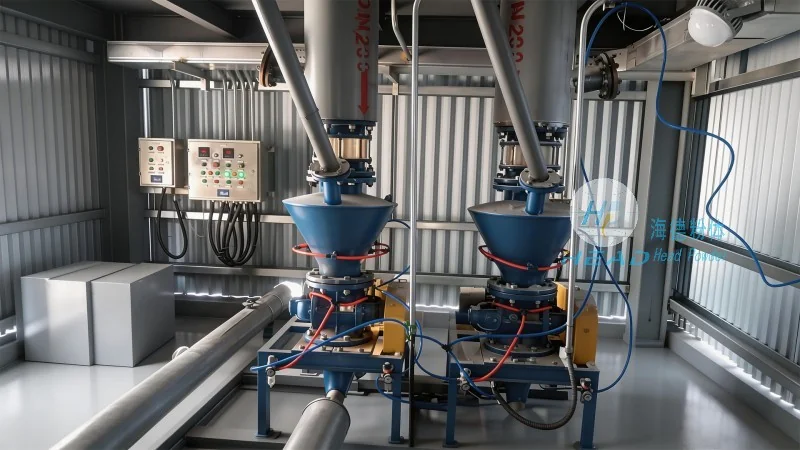
Working Principle: How the System Transfers Material
The working principle of a high-pressure dense-phase material conveying system is based on the application of high pressure to move material in a dense, non-suspended state. Unlike pneumatic conveying systems that use air to transport material, dense-phase systems rely on the pump's pressure to force the material through the pipeline. The material is mixed with a small amount of air or gas, creating a dense phase that allows for efficient transport. The high pressure ensures that the material moves in a continuous stream, reducing the risk of blockages and ensuring consistent flow rates. The system's design minimizes the impact of material properties, such as particle size and moisture content, on performance, making it suitable for a wide range of materials. By maintaining a dense phase, the system also reduces the risk of dust emissions and product contamination, which is crucial for industries with strict quality standards.
Advantages and Applications of High-Pressure Dense-Phase Conveying
High-pressure dense-phase material conveying systems offer several advantages over traditional conveying methods. These include reduced product degradation, lower energy consumption, and improved safety. The dense phase minimizes the risk of segregation and agglomeration, preserving the material's quality. The system's efficiency reduces operational costs, making it a cost-effective solution for bulk material transport. Additionally, the system is suitable for materials that are sensitive to air exposure or that require high purity, such as pharmaceuticals and food products. Industries that benefit from this technology include chemical manufacturing, food processing, and pharmaceuticals, where reliable and efficient material handling is critical to production.




