For industrial applications involving calcium oxide, efficient and reliable material handling is crucial. The calcium oxide material handling system, developed by Shandong HeadPowder Engineering Co., Ltd. (commonly known as headpowder), is designed to streamline the transportation and processing of this essential chemical. This system integrates advanced engineering solutions to ensure safe, efficient, and consistent operation, catering to the specific demands of calcium oxide handling in various industrial settings.
Key Components and Their Roles
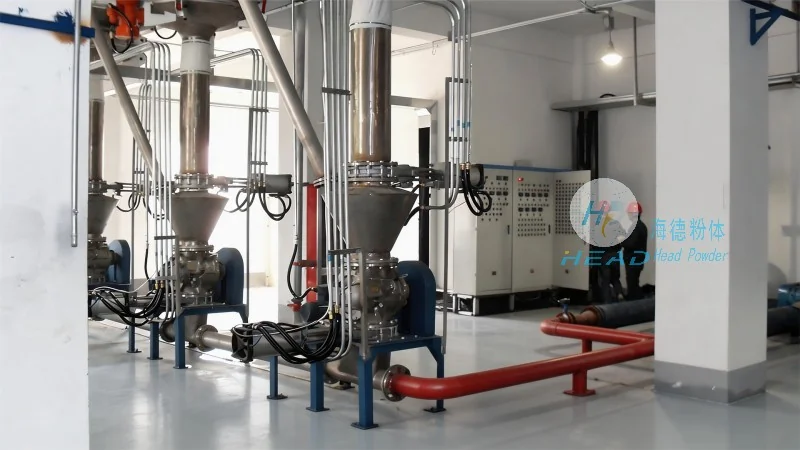
The calcium oxide material handling system comprises several critical components that work in tandem to facilitate smooth material flow. These include feeders, conveyors, storage silos, and control systems. Each component plays a vital role in the overall operation. For instance, feeders are responsible for accurately metering the calcium oxide, ensuring a consistent feed rate to the conveyor system. The conveyor, typically a belt or screw conveyor, transports the material from the storage area to the processing or packaging stations. Storage silos are used to hold large quantities of calcium oxide, providing a buffer and ensuring a steady supply. The control system monitors and regulates the entire process, adjusting parameters as needed to maintain optimal performance.
Operation Process of the Material Handling System
The operation of the calcium oxide material handling system follows a systematic process that begins with material storage and ends with delivery to the next stage of processing. The process starts with the loading of calcium oxide into the storage silo. The silo is equipped with a level sensor that monitors the material level, preventing overfilling or underfilling. Once the material is loaded, the feeder activates, metering the required amount of calcium oxide into the conveyor. The conveyor then transports the material to the processing area or packaging station. The control system continuously monitors the flow rate, pressure, and temperature to ensure that the system operates within safe and efficient parameters. Any deviations are automatically corrected by the control system, maintaining the stability of the operation.
Working Principle of the System
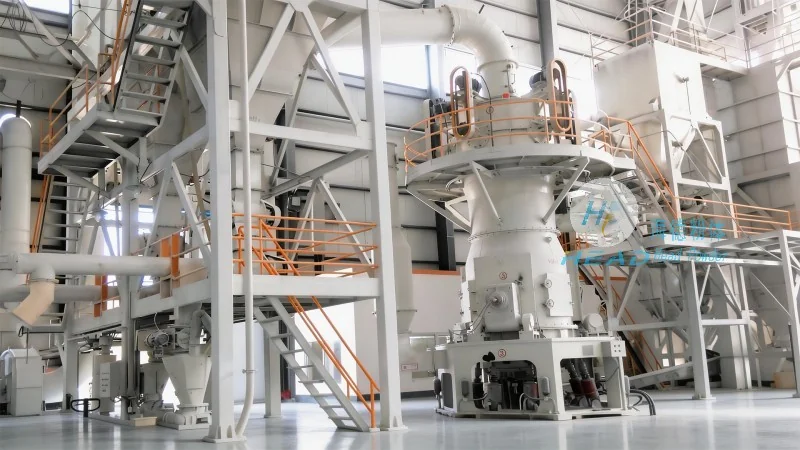
The working principle of the calcium oxide material handling system is based on mechanical and pneumatic systems that work together to move and control the material. The system uses a combination of gravity, mechanical force, and sometimes pneumatic assistance to transport the calcium oxide. The feeder uses a rotating mechanism, such as a screw or paddle, to push the material forward into the conveyor. The conveyor then uses a belt or screw to move the material along its path. The control system uses sensors and actuators to regulate the speed and flow of the material. For example, a pressure sensor in the conveyor can detect blockages and trigger an alarm or automatic shutdown to prevent damage to the equipment. The system is designed to be robust and durable, capable of handling the abrasive nature of calcium oxide without degradation over time.
Advantages of the Calcium Oxide Material Handling System
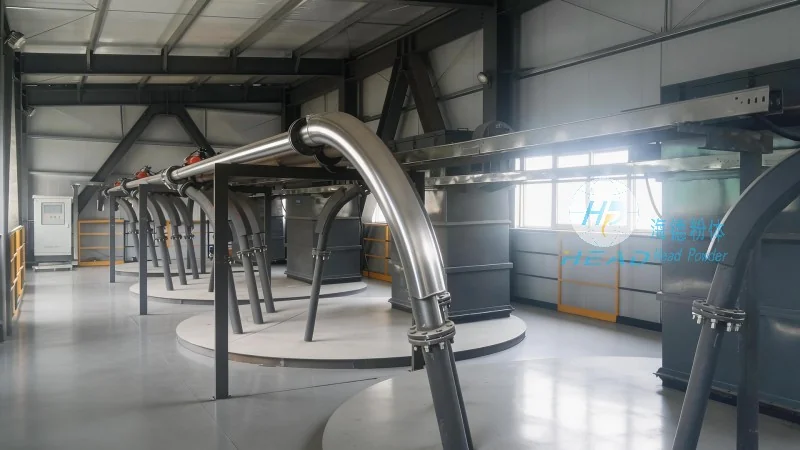
Implementing the calcium oxide material handling system offers several advantages for industrial operations. Firstly, it enhances operational efficiency by reducing downtime and improving material flow. The system's automated control features minimize human intervention, leading to consistent and reliable performance. Secondly, it improves safety by preventing accidents related to manual handling of calcium oxide, which can be hazardous if not handled properly. The system's design includes safety features such as emergency stop buttons and overload protection. Thirdly, it reduces maintenance costs by using durable components and self-lubricating parts that require less frequent maintenance. The system's modular design allows for easy integration with existing industrial setups, making it a cost-effective solution for upgrading material handling capabilities.
Application Examples
The calcium oxide material handling system is widely used in various industries, including chemical manufacturing, food processing, and pharmaceuticals. In the chemical industry, it is used to transport calcium oxide from storage to reactors or packaging lines. In food processing, it is used to handle calcium oxide as a food additive, ensuring it is delivered to production lines without contamination. In pharmaceuticals, the system is used to transport calcium oxide for use in drug formulations, maintaining the purity and consistency of the material. The system's adaptability allows it to be customized to meet the specific requirements of different applications, making it a versatile solution for various industrial needs.




