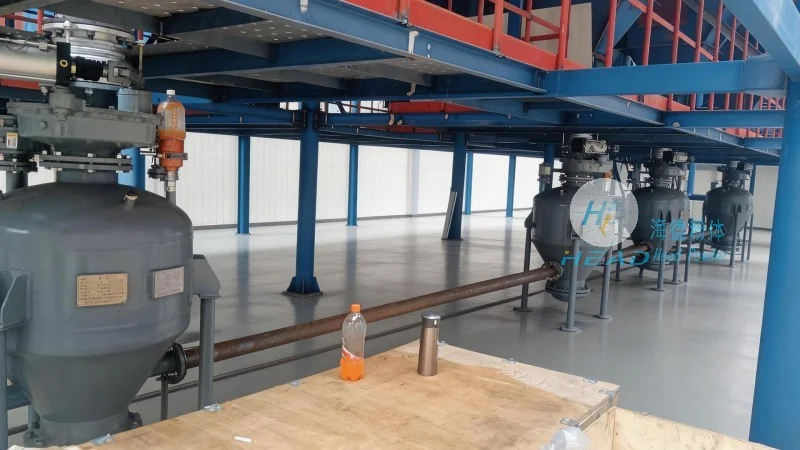
For professionals in the construction and material handling industries, understanding the operation and working principles of dry cobblestone material conveying systems is crucial. These systems are designed to efficiently transport dry, irregularly shaped cobblestones, a type of aggregate commonly used in road construction, landscaping, and other infrastructure projects. The following article provides a detailed overview of the dry cobblestone material conveying system, including its operation process, key components, and practical applications.
Introduction to Dry Cobblestone Material Conveying Systems
Dry cobblestone material conveying systems are specialized equipment engineered to handle the transportation of dry, irregularly shaped cobblestones. These systems are essential in industries where the efficient movement of bulk materials is required, such as construction, mining, and landscaping. The primary goal of these systems is to ensure that cobblestones are moved from storage or processing areas to the point of use with minimal loss, damage, or operational delays.
Key Components and Their Functions
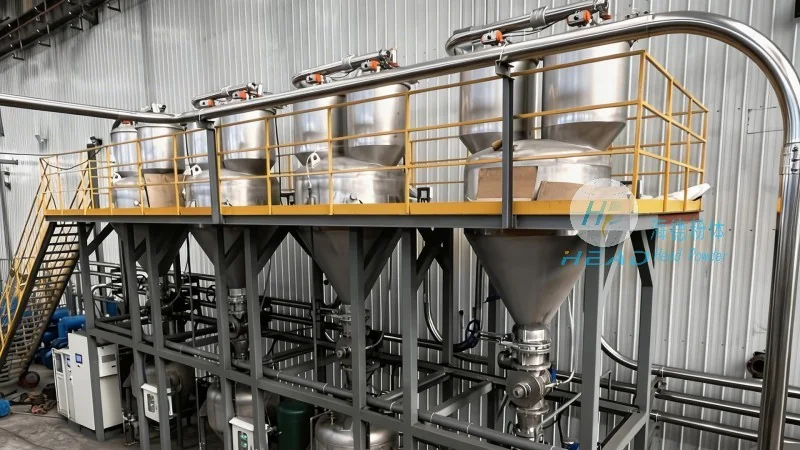
The dry cobblestone material conveying system consists of several critical components, each playing a vital role in the overall operation. The main components include the hopper, conveyor belt, drive system, idlers, and control panel. The hopper is responsible for receiving and storing the dry cobblestones, while the conveyor belt transports the material through the system. The drive system provides the necessary power to move the conveyor belt, and the idlers support the belt and maintain proper tension. The control panel allows operators to monitor and adjust the system's performance.
Operation Process of the System
The operation of a dry cobblestone material conveying system typically follows a sequential process. First, dry cobblestones are loaded into the hopper. The material then falls onto the conveyor belt, which transports it to the discharge point. The speed of the conveyor belt can be adjusted to control the flow rate of the material. The system may also include a feeder mechanism to evenly distribute the material across the belt. Once the cobblestones reach the discharge point, they are collected and transported to the next stage of processing or application.
Working Principle Explained
The working principle of the dry cobblestone material conveying system is based on mechanical power transmission and material handling. The system uses a conveyor belt that is driven by a motor. As the motor rotates, it turns the drive pulley, which in turn moves the conveyor belt. The belt's surface provides traction for the dry cobblestones, allowing them to be moved along the system. The idlers are strategically placed along the conveyor to support the belt and maintain its tension, ensuring smooth operation. The control panel allows operators to adjust the speed of the motor and thus the conveyor belt, controlling the material flow rate.
Advantages of Using This Equipment
Implementing a dry cobblestone material conveying system offers several advantages. First, it significantly improves the efficiency of material handling by reducing manual labor and the risk of material loss or damage. The system can handle large volumes of dry cobblestones, increasing productivity in construction and landscaping projects. Additionally, the system provides consistent material flow, which is essential for maintaining quality in the final product. The modular design of these systems allows for easy integration into existing operations and can be customized to meet specific project requirements.
Application Scenarios
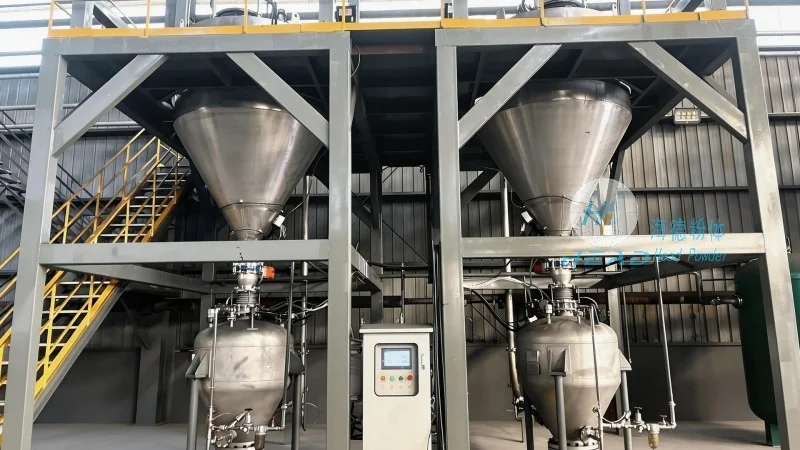
Dry cobblestone material conveying systems are widely used in various applications. In road construction, these systems are used to transport cobblestones for paving roads and highways. In landscaping, they are employed to move cobblestones for garden design and decorative purposes. The systems are also used in mining operations to transport cobblestones from storage areas to processing facilities. The versatility of these systems makes them suitable for a wide range of industries and applications.
Quality Assurance and Maintenance Tips
To ensure the long-term performance and reliability of the dry cobblestone material conveying system, regular maintenance is essential. Operators should check the conveyor belt for signs of wear and tear, such as cracks or fraying, and replace it as needed. The idlers should be lubricated regularly to prevent friction and wear. The drive system should be inspected for proper alignment and lubrication. Additionally, the control panel should be checked for proper operation and calibration. By following these maintenance tips, the system can operate efficiently and provide reliable performance over its lifespan.
Company Profile: Shandong HeadPowder Engineering Co., Ltd.
Shandong HeadPowder Engineering Co., Ltd., commonly known as headpowder, is a leading manufacturer of material handling equipment, including dry cobblestone material conveying systems. The company is based in Shandong, China, and has a strong reputation for producing high-quality, reliable equipment. Headpowder's products are designed to meet the specific needs of the construction and material handling industries, and the company provides comprehensive support, including installation, training, and maintenance services. With a focus on innovation and customer satisfaction, headpowder is committed to providing the best possible solutions for its clients.




