Coal and coke powder pneumatic conveying systems are essential in industrial applications for transporting bulk materials like coal and coke powders efficiently. These systems utilize air as the conveying medium to move powders from one location to another, offering advantages such as reduced equipment wear, improved safety, and the ability to handle materials in hazardous environments. The operation of such systems involves a series of steps and principles that ensure reliable and effective material transport.
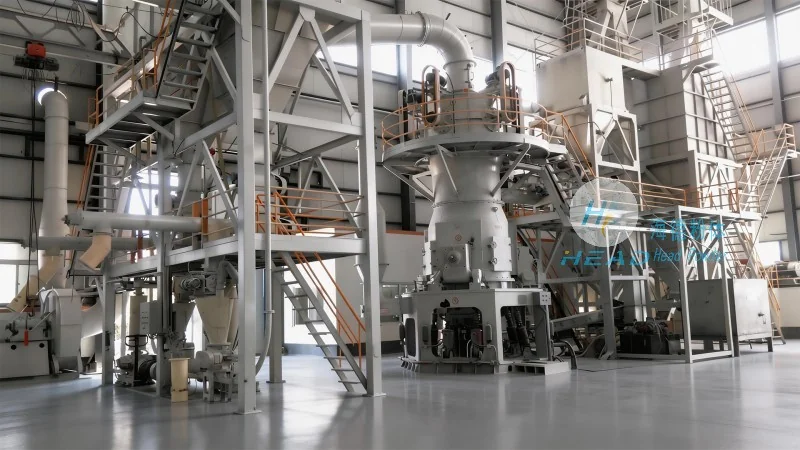
Key Components of Pneumatic Conveying Systems
At the core of coal and coke powder pneumatic conveying systems are several critical components that work in tandem to facilitate material transport. The primary components include a hopper for material storage, a conveyor line (either positive or negative pressure), a blower or compressor to generate airflow, and a receiver or discharge point for the material. Additionally, accessories like filters, cyclones, and control valves are often integrated to enhance system performance and ensure proper material handling. Each component plays a vital role in the overall operation, contributing to the system's efficiency and reliability.
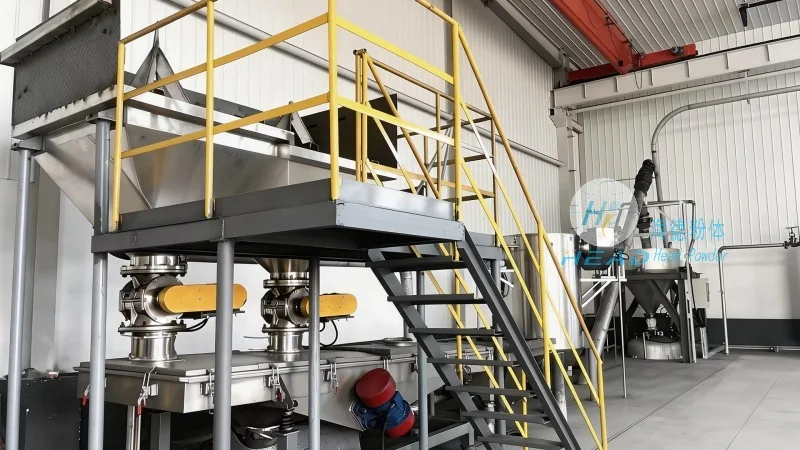
Operation Process of Coal and Coke Powder Pneumatic Conveying
The operation process of coal and coke powder pneumatic conveying typically involves the following stages: material feeding, air induction, conveying, and material discharge. Initially, the coal or coke powder is fed into the hopper from a storage silo or batch mixer. The material then flows into the conveyor line under the influence of air pressure. In positive pressure systems, the blower pushes air through the line, carrying the powder particles along. In negative pressure systems, a vacuum is created at the discharge end, drawing the powder and air mixture through the line. The material is then separated from the air at the receiver, often using a cyclone or filter, and the air is either recirculated or vented. This process ensures that the powder is transported smoothly and without clogging, maintaining consistent flow rates and system performance.
Working Principle of Pneumatic Conveying for Coal and Coke Powders
The working principle of coal and coke powder pneumatic conveying is based on the interaction between the material particles and the air stream. The system relies on the momentum of the air to lift and transport the powder particles. The key factors influencing the conveying process include the air velocity, particle size, density, and moisture content of the material. Proper air velocity is crucial to prevent particle deposition or clogging in the system. The design of the conveyor line, including its diameter and length, also affects the conveying efficiency. By optimizing these parameters, the system can achieve high throughput and minimal energy consumption, making it an efficient solution for coal and coke powder transport.
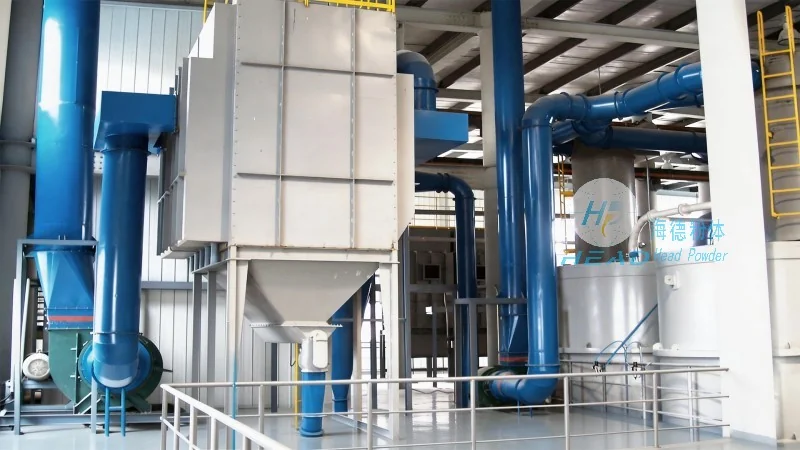
About Shandong HeadPowder Engineering Co., Ltd.
Shandong HeadPowder Engineering Co., Ltd., commonly known as HeadPowder, is a leading manufacturer and supplier of pneumatic conveying systems for coal and coke powders. With a strong focus on innovation and quality, the company specializes in designing and manufacturing customized solutions tailored to the specific needs of industrial clients. HeadPowder's products are known for their durability, efficiency, and reliability, meeting the demands of various industries such as power generation, steel production, and chemical processing. The company's headquarters is located in Shandong, China, where it operates a state-of-the-art manufacturing facility and research center. HeadPowder is committed to providing high-quality equipment and services, ensuring that clients receive the best possible solutions for their material handling needs.




