HeadPowder, a leading provider in the field, specializes in the design, manufacturing, and implementation of efficient pneumatic conveying systems for handling bulk powder materials, particularly fertilizers. The system in question is engineered to transport dry powder fertilizers from storage silos or production lines to processing facilities or packaging stations with high reliability and minimal operational issues. This article delves into the operational process and underlying working principles of such a system, highlighting key components, their functions, and the step-by-step flow of material transfer.
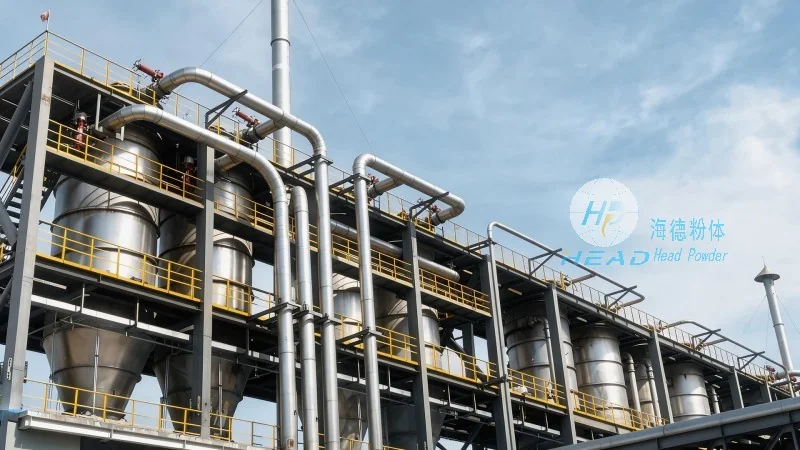
Key Components of the Pneumatic Conveying System
The pneumatic conveying system for fertilizer powders typically comprises several critical components that work in concert to ensure smooth material transport. These include the hopper or storage silo, a rotary airlock valve, a venturi or pipeline with appropriate diameter and length, a dust collector or filter system, and a receiver or discharge hopper. Each component plays a vital role in maintaining the integrity of the fertilizer and the efficiency of the conveying process.
Step-by-Step Operational Process
The operation of the powder fertilizer pneumatic conveying system follows a systematic sequence of actions to move the material from the source to the destination. The process begins with the loading of fertilizer into the storage silo or hopper. A rotary airlock valve, positioned at the outlet of the hopper, regulates the flow of fertilizer into the conveying pipeline, preventing backflow and maintaining consistent material feed.
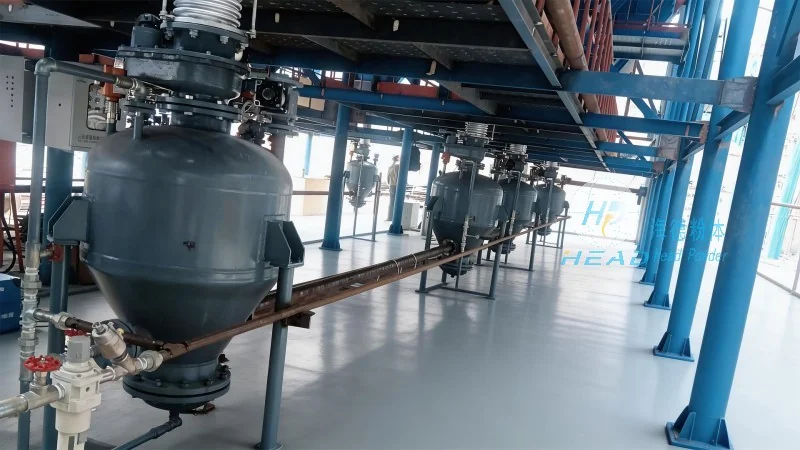
Once the airlock valve opens, the system activates the air compressor or blower, which generates a high-velocity air stream within the pipeline. This air stream creates a negative pressure (suction) or positive pressure (blowing) environment, depending on the system design, to draw the fertilizer particles into the pipeline. The fertilizer particles are then carried along with the air stream through the venturi or pipeline section, where they are suspended and transported to the receiving end.
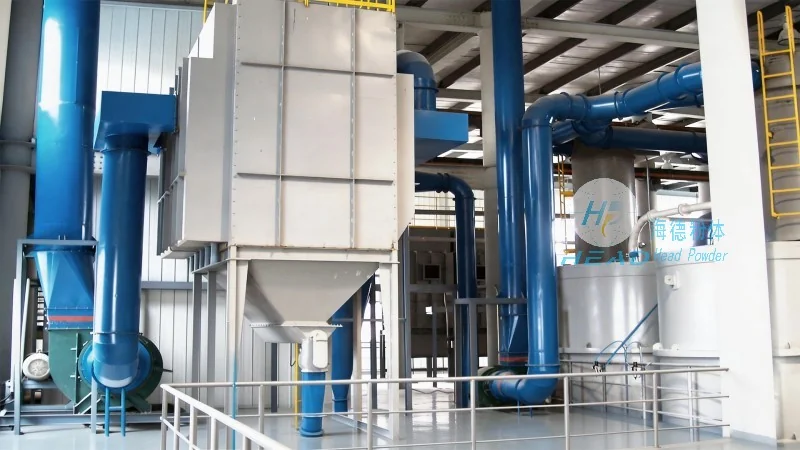
At the receiving end, a receiver or discharge hopper is positioned to capture the fertilizer as it exits the pipeline. A second rotary airlock valve or a discharge mechanism ensures that the material is discharged smoothly into the next processing stage or packaging line. Throughout the process, a dust collector or filter system is integrated to capture any fine particles that may escape, maintaining air quality and preventing dust contamination.
Working Principle: The Role of Air and Particle Dynamics
The core working principle of the pneumatic conveying system relies on the interaction between the air stream and the fertilizer particles. In a suction-type system, the air compressor creates a vacuum that pulls the fertilizer particles into the pipeline. The particles are then carried by the air flow, with their movement governed by the velocity of the air and the particle size, density, and shape. The venturi section, where the air velocity increases and pressure decreases, is particularly effective in suspending fine particles and preventing blockages.
In a positive-pressure system, the blower pushes air into the pipeline, creating a positive pressure that forces the fertilizer particles to move forward. This method is often used for longer distances or when dealing with more abrasive materials. The system’s efficiency depends on maintaining an optimal air-to-material ratio, which balances the energy consumption with the conveying capacity. Proper sizing of the pipeline diameter, air velocity, and the number of bends or fittings are crucial to avoid excessive pressure drop or particle degradation.
Advantages and Applications in Fertilizer Handling
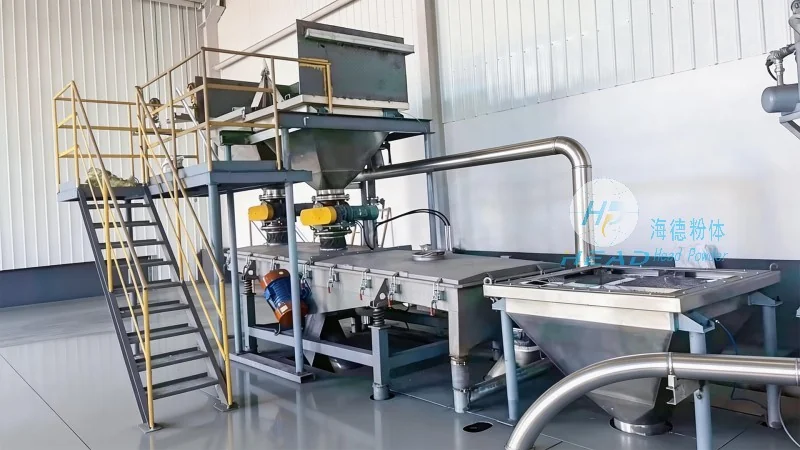
Pneumatic conveying systems offer several advantages over traditional mechanical conveying methods, such as screw conveyors or belt conveyors, in the fertilizer industry. These include reduced risk of material contamination, lower maintenance costs due to fewer moving parts, and the ability to handle a wide range of fertilizer types, including granular, prilled, and powdered forms. The systems are particularly suitable for applications requiring high throughput, long-distance transport, or integration with automated packaging lines.
HeadPowder’s systems are designed to meet the specific needs of fertilizer manufacturers, ensuring that the material is transported safely and efficiently from storage to processing. By leveraging advanced engineering and material handling expertise, the company provides customized solutions that enhance productivity and reduce operational downtime.




