HeadPowder, a leading provider in the field of material handling solutions, specializes in the design, manufacturing, and implementation of advanced pneumatic conveying systems. This article focuses on the operation process and working principle of a monocrystalline silicon powder pneumatic conveying system, highlighting the technical aspects and practical applications that make it an essential component in the semiconductor and solar energy industries.
Company Profile and Core Expertise
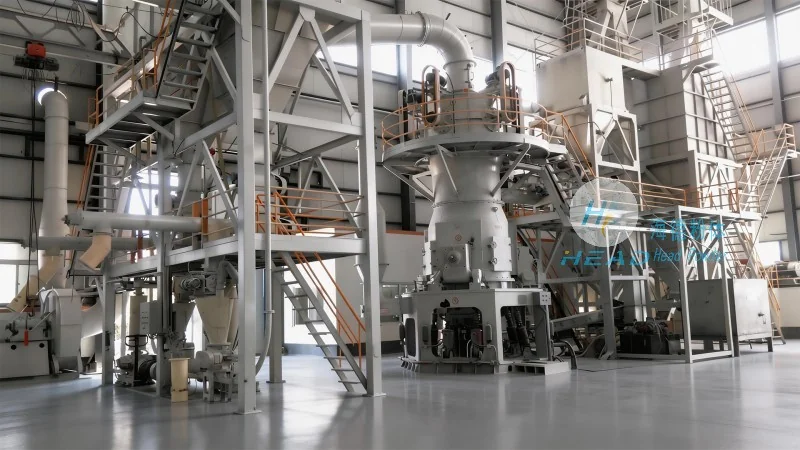
Shandong HeadPowder Engineering Co., Ltd., commonly known as HeadPowder, is headquartered in Shandong, China. With years of experience in the engineering and manufacturing of material handling equipment, the company has established itself as a trusted partner for industries requiring efficient and reliable powder transport solutions. HeadPowder's expertise lies in customizing pneumatic conveying systems to meet the specific demands of clients, ensuring optimal performance and durability in demanding environments.
Understanding Monocrystalline Silicon Powder and Its Handling Challenges
Monocrystalline silicon powder is a critical raw material used in the production of solar cells and semiconductor devices. Due to its fine particle size and high purity requirements, handling this powder requires specialized equipment that can maintain particle integrity and prevent contamination. Traditional methods like bulk handling may lead to agglomeration, dust generation, and loss of material quality. The monocrystalline silicon powder pneumatic conveying system addresses these challenges by utilizing air as the conveying medium, enabling a clean, dust-free, and efficient transport process.
System Components and Their Roles
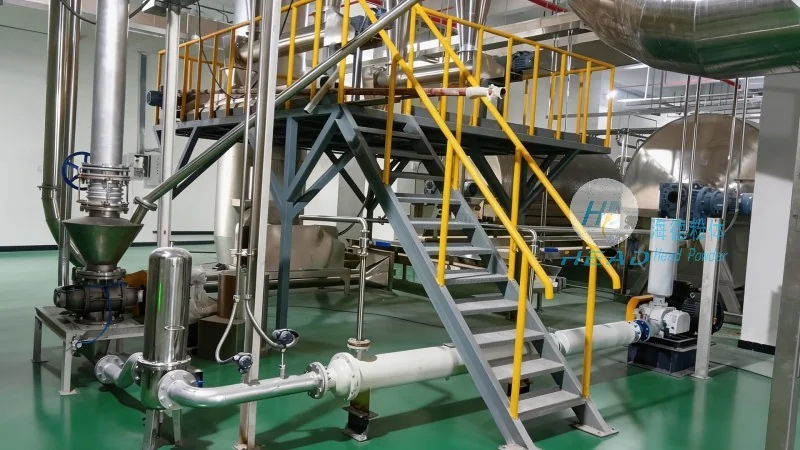
The monocrystalline silicon powder pneumatic conveying system consists of several key components, each playing a vital role in the overall operation. These components include the hopper or feeder, the air compressor or blower, the conveying line, the control system, and the discharge or collection unit. The hopper is responsible for storing and feeding the silicon powder into the system, ensuring a consistent flow rate. The air compressor generates the necessary air pressure to move the powder particles through the conveying line. The control system monitors and regulates the pressure, flow rate, and other parameters to maintain optimal operation. The conveying line, typically made of stainless steel or other corrosion-resistant materials, transports the powder from the feeder to the discharge point. The discharge unit collects the powder and delivers it to the next processing stage.
The Pneumatic Conveying Process: Step-by-Step Operation
The operation of the monocrystalline silicon powder pneumatic conveying system follows a systematic process that ensures efficient and safe material transport. The process begins with the loading of the silicon powder into the hopper. The feeder then regulates the flow of powder into the conveying line, controlled by the system's control unit. Simultaneously, the air compressor supplies compressed air to the conveying line. As the air flows through the line, it creates a low-pressure zone that draws the powder particles into the air stream. The powder particles are then carried along the conveying line to the discharge point. The control system continuously monitors the pressure and flow rates, adjusting the air supply and powder feed as needed to maintain a stable operation. The discharge unit collects the powder and may include filtration or dust collection systems to prevent any particle loss or environmental contamination.
Working Principle: How the System Transfers Material
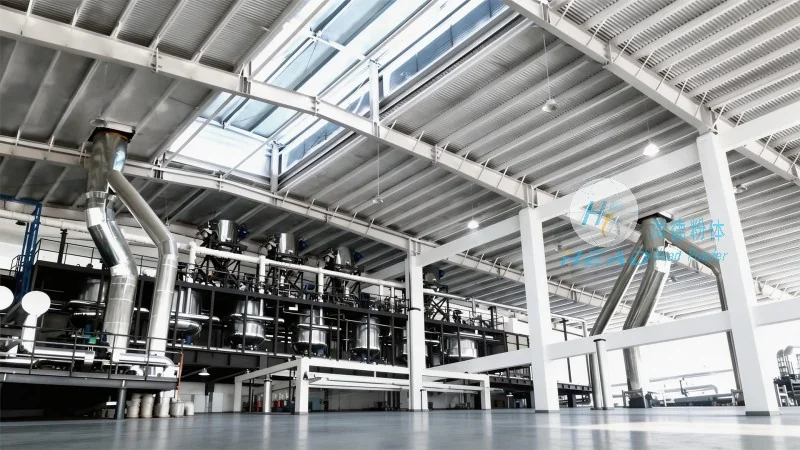
The working principle of the monocrystalline silicon powder pneumatic conveying system is based on the principles of fluid dynamics and particle transport. The system operates by creating a pressure differential between the feeding and discharge points. The air compressor generates a high-pressure air stream that moves through the conveying line, while the hopper maintains a lower pressure at the feeding end. This pressure difference causes the silicon powder particles to be entrained by the air stream and transported through the line. The velocity of the air and the size of the particles determine the conveying capacity and efficiency of the system. Proper design of the conveying line, including bends and transitions, is crucial to minimize pressure loss and ensure smooth particle flow. The control system plays a critical role in maintaining the pressure differential and adjusting the air flow to optimize the conveying process.
Advantages of Using a Monocrystalline Silicon Powder Pneumatic Conveying System
Implementing a monocrystalline silicon powder pneumatic conveying system offers several advantages over traditional handling methods. Firstly, it provides a dust-free and clean environment, which is essential for maintaining the purity of the silicon powder. This reduces the risk of contamination and improves the quality of the final product. Secondly, the system offers high efficiency and reliability, with minimal downtime and maintenance requirements. The use of air as the conveying medium allows for a continuous and uninterrupted flow of material, enhancing productivity. Additionally, the system is flexible and can be customized to accommodate varying production demands, making it suitable for both small-scale and large-scale operations. The durability of the components, particularly the conveying line and control system, ensures long-term performance and cost-effectiveness.
Applications and Industries Served
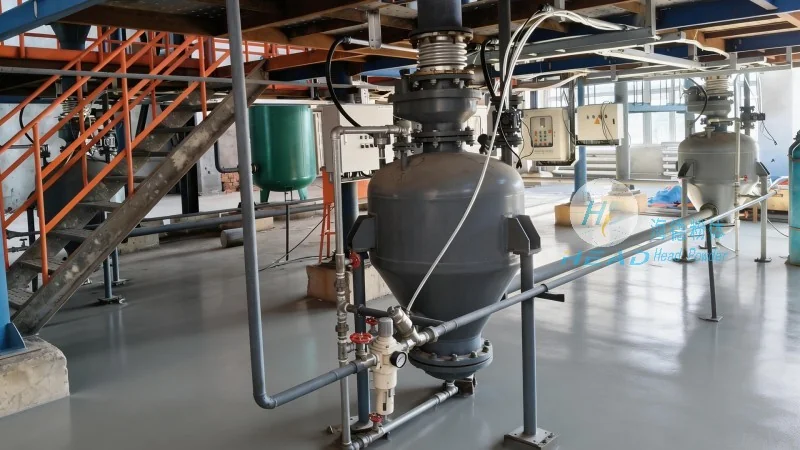
The monocrystalline silicon powder pneumatic conveying system is widely used in various industries that rely on silicon powder for their manufacturing processes. In the solar energy industry, it is used to transport silicon powder from storage to the production line for solar cell manufacturing. In the semiconductor industry, it is employed in the production of integrated circuits and other electronic components. Other applications include research and development laboratories, where precise handling of silicon powder is required for experimental purposes. The system's versatility and adaptability make it suitable for a range of industrial applications, ensuring that clients can achieve their production goals efficiently and effectively.
Conclusion and Future Outlook
HeadPowder's monocrystalline silicon powder pneumatic conveying system represents a cutting-edge solution for the efficient and reliable handling of silicon powder. By leveraging advanced engineering and material handling technologies, the system addresses the unique challenges associated with monocrystalline silicon powder, ensuring optimal performance and product quality. As the demand for silicon-based products continues to grow, the importance of efficient material handling systems like this will only increase. HeadPowder remains committed to providing innovative solutions that meet the evolving needs of its clients, ensuring that the monocrystalline silicon powder pneumatic conveying system remains a key component in the future of material handling technology.




