For industries dealing with polypropylene powders, efficient and reliable material handling is crucial. The polypropylene powder pneumatic conveying equipment from Shandong HeadPowder Engineering Co., Ltd. offers a sophisticated solution that ensures seamless transport of these materials. This equipment is designed to handle the unique challenges associated with polypropylene, such as its light weight, tendency to aggregate, and sensitivity to moisture. By leveraging advanced pneumatic conveying technology, the system provides a clean, low-maintenance, and highly effective method for moving polypropylene powders from storage to processing units.
Key Components and Their Roles
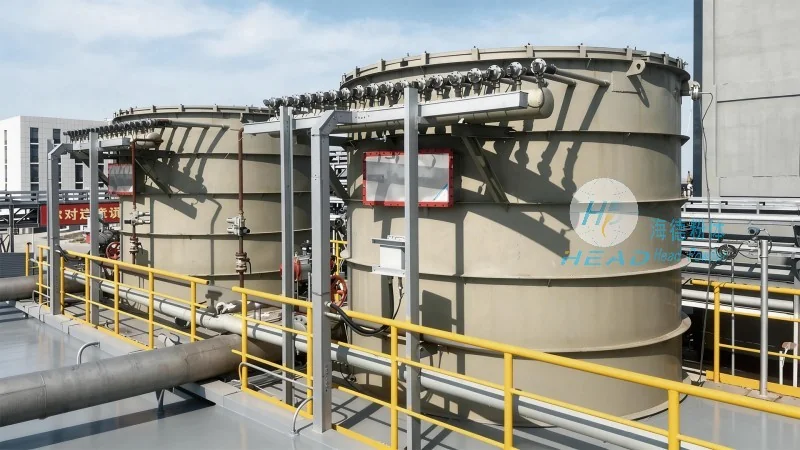
The polypropylene powder pneumatic conveying system consists of several critical components that work in harmony to achieve optimal performance. The main components include the hopper, which serves as the material storage and feeding unit; the conveyor line, which is the core of the pneumatic transport; the air compressor, which generates the necessary pressure and airflow; and the control system, which regulates the entire operation. Each component plays a vital role in ensuring the smooth and efficient movement of polypropylene powders. The hopper is equipped with a feeder that controls the flow rate, preventing overloading or underloading of the conveyor line. The air compressor provides the required air pressure to create a consistent airflow, while the control system monitors parameters like pressure, flow rate, and temperature to maintain optimal operating conditions.
The Operation Process of Pneumatic Conveying Systems
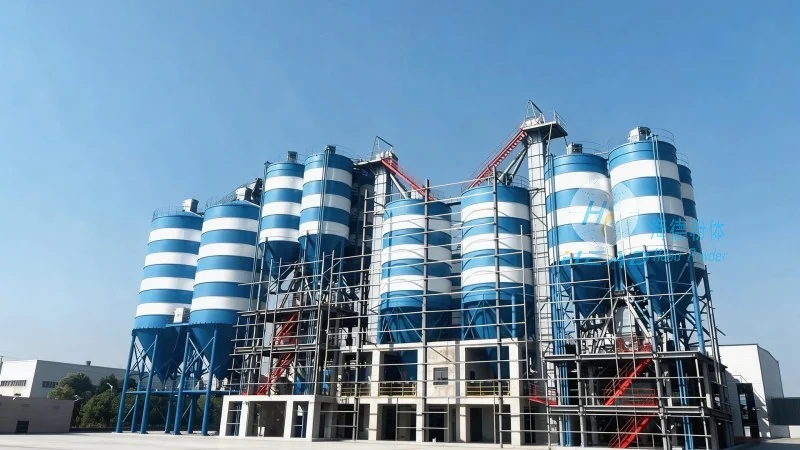
The operation process of the polypropylene powder pneumatic conveying equipment begins with the loading of polypropylene powder into the hopper. The feeder then regulates the discharge of the material into the conveyor line. Simultaneously, the air compressor generates a high-pressure airflow that is directed into the conveyor line. As the polypropylene powder enters the line, it is entrained by the airflow and transported to the destination point, such as a silo or processing machine. The system uses a combination of positive and negative pressure zones to ensure efficient material transport. The positive pressure zone near the hopper helps to draw the powder into the conveyor line, while the negative pressure zone at the discharge end prevents material leakage and maintains a clean environment. The entire process is automated, with the control system adjusting the airflow and feeding rate in real-time to maintain a stable and consistent flow of polypropylene powder.
Working Principle Explained
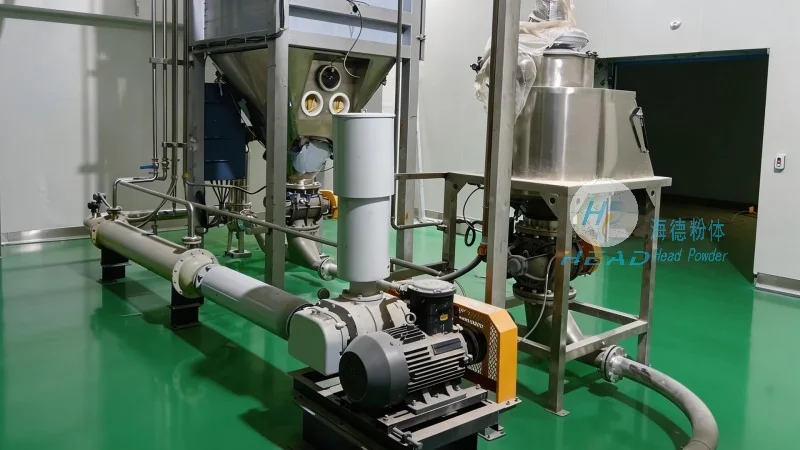
The working principle of the polypropylene powder pneumatic conveying equipment is based on the principle of fluidization and pneumatic transport. When the polypropylene powder is introduced into the conveyor line with a high-pressure airflow, the particles become suspended in the air stream, forming a dense phase flow. This fluidized state allows the powder to be transported efficiently without the need for mechanical components like belts or screws. The air compressor provides the necessary energy to overcome the resistance of the powder particles and the friction within the conveyor line. The control system continuously monitors the pressure and flow rate to ensure that the fluidization process is maintained, preventing clogging or blockages. The system also incorporates features like air filtration and dust collection to ensure a clean and safe working environment. The working principle is designed to be energy-efficient and low-maintenance, making it an ideal solution for long-term use in industrial settings.
Technical Advantages and Practical Applications
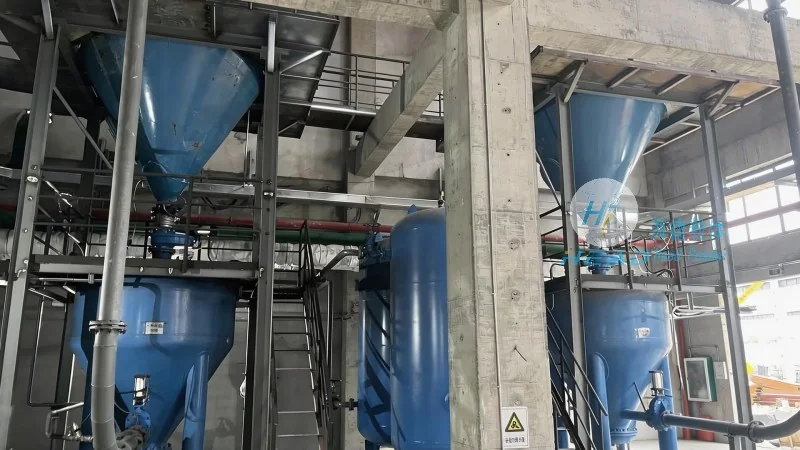
The polypropylene powder pneumatic conveying equipment from Shandong HeadPowder Engineering Co., Ltd. offers several technical advantages that make it a preferred choice for industries dealing with polypropylene powders. One of the key advantages is its ability to handle the light weight and tendency of polypropylene to aggregate, ensuring consistent and reliable transport. The system is also highly flexible, allowing for changes in the layout or destination of the conveyor line without major modifications. Additionally, the equipment is designed for low maintenance, with easy access to components for inspection and replacement. The system is suitable for a wide range of applications, including the transport of polypropylene from storage silos to extrusion lines, from mixing units to packaging machines, and from production lines to waste disposal systems. The equipment is also compatible with various processing equipment, such as extruders, blow molding machines, and injection molding machines, making it a versatile solution for polypropylene processing facilities.




