HeadPowder, a leading enterprise in the field of material handling solutions, specializes in the design, manufacturing, and supply of advanced pneumatic conveying systems tailored for plastic powder materials. This article provides a detailed overview of the operation process and working principle of such equipment, highlighting the technical aspects and practical applications that make it an essential component in modern industrial operations.
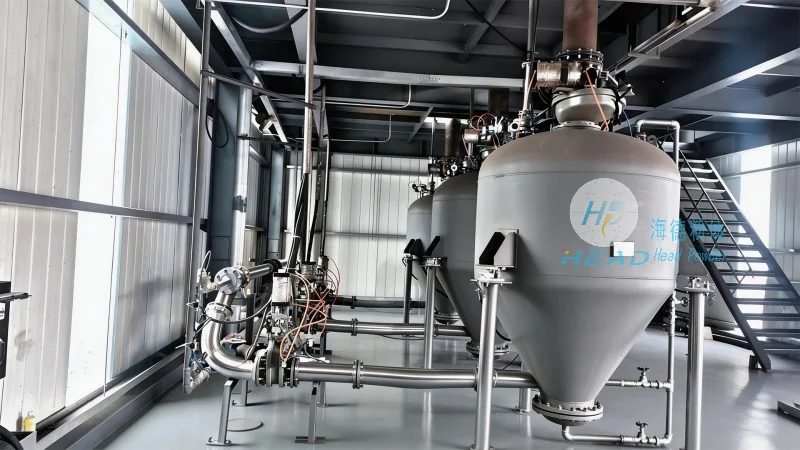
Introduction to Pneumatic Conveying Equipment for Plastic Powders
Pneumatic conveying equipment is a critical technology for transporting plastic powders efficiently and safely in various industrial settings. As a company based in Shandong, China, HeadPowder Engineering Co., Ltd. has been at the forefront of developing innovative solutions that address the unique challenges associated with handling plastic powders, such as dust control, material flow optimization, and system reliability. The equipment operates by using compressed air or other gases to move plastic powders through a pipeline system, offering a flexible and cost-effective alternative to traditional mechanical conveying methods.
Company Overview: HeadPowder Engineering Co., Ltd.
HeadPowder Engineering Co., Ltd. is a professional manufacturer and supplier of pneumatic conveying equipment, with its headquarters located in Shandong, China. The company has built a strong reputation for delivering high-quality, customized solutions that meet the specific requirements of clients across different industries, including plastics processing, chemical manufacturing, and food processing. With years of experience and a dedicated team of engineers, HeadPowder ensures that its products are designed to enhance operational efficiency, reduce downtime, and improve overall productivity.
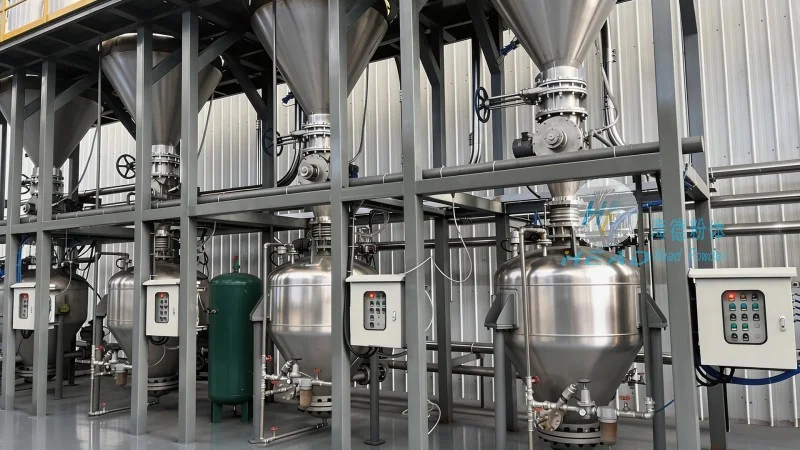
The Operation Process of Pneumatic Conveying Equipment
The operation process of pneumatic conveying equipment for plastic powders involves several key steps that ensure smooth and reliable material transport. The process typically begins with the loading of plastic powder into a hopper or storage silo. From there, the powder is fed into the conveying line through a feeder mechanism, which controls the flow rate to maintain consistent pressure and velocity within the system. Compressed air is then introduced into the pipeline, creating a flow that propels the plastic powder particles through the system. The equipment is equipped with various components, including airlocks, cyclones, and filters, to ensure that the material is transported without clogging or loss. The entire process is monitored and controlled by a sophisticated system that adjusts air pressure, flow rates, and other parameters to optimize performance and prevent system failures.
Working Principle of Pneumatic Conveying Equipment
The working principle of pneumatic conveying equipment for plastic powders is based on the fundamental concept of fluidization and particle suspension. When compressed air is introduced into the conveying line, it creates a low-density environment that allows the plastic powder particles to become suspended in the air stream. This suspension effect enables the particles to be transported through the pipeline with minimal friction and resistance. The equipment utilizes different conveying modes, such as dilute phase and dense phase, to suit various material characteristics and application requirements. Dilute phase conveying involves high air velocities and low particle concentrations, while dense phase conveying uses lower air velocities and higher particle concentrations to ensure gentle handling of the plastic powders. The choice of conveying mode depends on factors such as the particle size, density, and moisture content of the material, as well as the distance and elevation changes involved in the transport process.
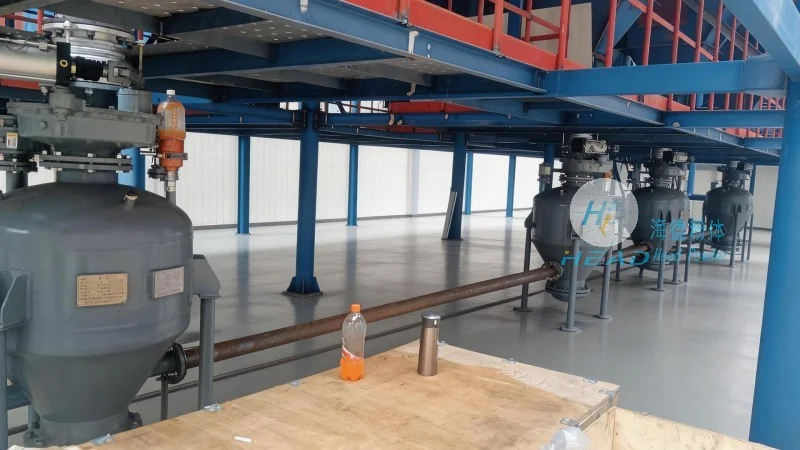
Key Components and Their Functions
Pneumatic conveying equipment for plastic powders consists of several key components that work together to ensure efficient operation. The primary components include the hopper or storage silo, feeder, conveying line, air compressor, and control system. The hopper is used to store and feed the plastic powder into the system, while the feeder regulates the flow rate to maintain consistent pressure. The conveying line is the main pipeline through which the plastic powder is transported, and it is typically made of materials such as stainless steel or plastic to prevent corrosion and material contamination. The air compressor provides the necessary compressed air to create the conveying flow, and the control system monitors and adjusts the system parameters to optimize performance. Additional components, such as airlocks, cyclones, and filters, are used to separate the plastic powder from the air stream and prevent dust emissions, ensuring compliance with environmental regulations and maintaining a clean working environment.
Advantages of Pneumatic Conveying Equipment for Plastic Powders
There are several advantages to using pneumatic conveying equipment for plastic powders, which make it a preferred choice in many industrial applications. One of the main advantages is the ability to transport plastic powders over long distances and through complex layouts without the need for multiple transfer points or mechanical components. This reduces the risk of material degradation and contamination, as the material is handled gently and continuously. Another advantage is the flexibility of the system, which allows for easy integration with existing production lines and modifications to accommodate changing production requirements. The equipment also offers high efficiency and low maintenance costs, as it eliminates the need for moving parts such as belts or chains that are prone to wear and tear. Additionally, pneumatic conveying systems are capable of handling a wide range of plastic powder types, including different grades of polyethylene, polypropylene, and other thermoplastics, making them versatile and adaptable to various industrial needs.
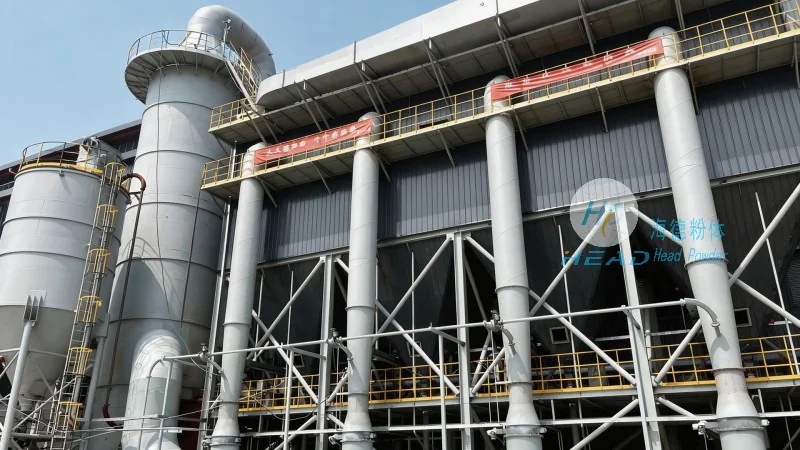
Applications and Industries
Pneumatic conveying equipment for plastic powders is widely used in various industries, including plastics processing, chemical manufacturing, food processing, and pharmaceuticals. In the plastics industry, the equipment is used to transport raw plastic powders from storage to processing units, such as extruders and injection molding machines. In chemical manufacturing, it is used to handle various chemical powders and additives, ensuring safe and efficient transport. In food processing, the equipment is used to convey food-grade plastic powders, such as those used in packaging materials, while maintaining strict hygiene standards. In the pharmaceutical industry, the equipment is used to transport active pharmaceutical ingredients (APIs) and other powders, ensuring compliance with regulatory requirements and maintaining product purity.
Conclusion
In conclusion, pneumatic conveying equipment for plastic powders is a vital technology that enhances the efficiency and safety of material handling in modern industrial operations. HeadPowder Engineering Co., Ltd., with its headquarters in Shandong, China, has established itself as a leading provider of such equipment, offering customized solutions that meet the specific needs of clients. The operation process and working principle of the equipment, as described in this article, highlight the technical sophistication and practical benefits that make it an essential component in various industrial applications. By leveraging advanced technology and a commitment to quality, HeadPowder continues to deliver reliable and efficient pneumatic conveying systems that contribute to the success of its clients.




