Shandong HeadPowder Engineering Co., Ltd., commonly known as headpowder, is a professional manufacturer and supplier of pneumatic conveying equipment based in Shandong, China. The company specializes in providing efficient and reliable solutions for material handling, particularly in the processing of soybean protein powder. This article will delve into the operation process and working principle of the pneumatic conveying equipment designed specifically for soybean protein powder material, highlighting its key components, operational steps, and the underlying principles that enable effective material transport.
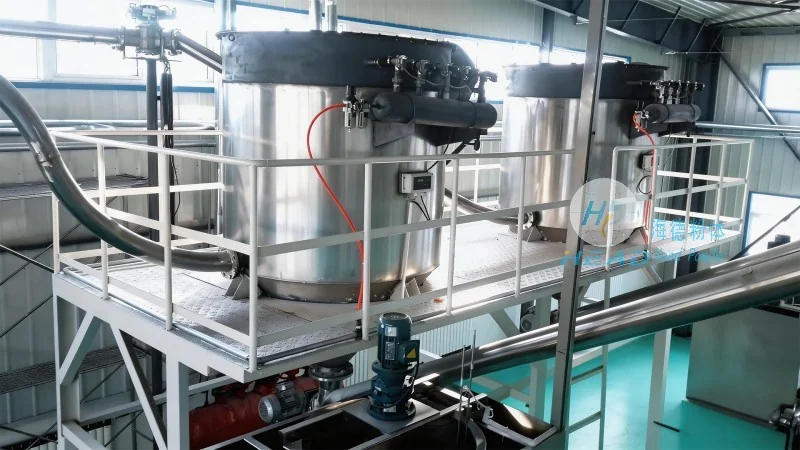
Overview of Pneumatic Conveying Equipment for Soybean Protein Powder
Pneumatic conveying equipment for soybean protein powder is a critical component in the production line of soy protein products. It is engineered to handle the unique characteristics of soybean protein powder, such as its fine particle size, low bulk density, and tendency to clump or agglomerate. The equipment is designed to ensure that the material is transported from one point to another without contamination, degradation, or loss of quality. This is achieved through a combination of air flow control, pressure management, and specialized material handling components.
Key Components of the Pneumatic Conveying System
The pneumatic conveying system for soybean protein powder typically consists of several key components that work in tandem to facilitate the material transport. These components include:
1. Feeder: The feeder is responsible for feeding the soybean protein powder into the conveying line. It ensures a consistent and controlled flow of material, preventing blockages and maintaining the integrity of the powder. The feeder may be a rotary valve, a screw feeder, or a vibrating feeder, depending on the specific requirements of the application.
2. Conveying Pipe: The conveying pipe is the main channel through which the soybean protein powder and air mixture travels. It is usually made of stainless steel or other corrosion-resistant materials to withstand the abrasive nature of the powder and the presence of moisture. The pipe is designed with smooth inner surfaces to minimize friction and ensure efficient air flow.
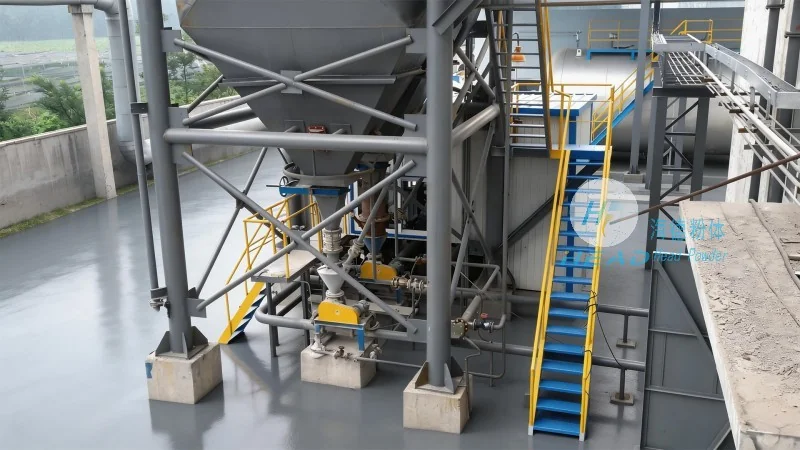
3. Air Supply System: The air supply system provides the necessary air pressure and volume to move the material through the conveying pipe. It typically includes a blower or a compressor, along with air filters and regulators to ensure clean and consistent air quality. The air supply system can operate under either positive pressure (blowing air into the pipe) or negative pressure (sucking air from the pipe), depending on the system design and the specific application.
4. Separation and Cleaning System: The separation system is used to separate the soybean protein powder from the air at the receiving end of the conveying line. This may involve a cyclone separator, a bag filter, or a combination of both. The separated powder is then collected in a storage bin or a processing vessel, while the air is filtered and returned to the system or discharged to the atmosphere.
5. Control System: The control system monitors and regulates the operation of the entire pneumatic conveying system. It includes sensors for pressure, flow, and level, as well as control valves and a programmable logic controller (PLC) to adjust the air flow, feeder speed, and other parameters as needed. The control system ensures that the operation is safe, efficient, and consistent.
Operation Process of the Pneumatic Conveying Equipment
The operation process of the pneumatic conveying equipment for soybean protein powder involves several sequential steps, each designed to ensure the smooth and efficient transport of the material. The process typically begins with the preparation of the material and the setup of the conveying system.
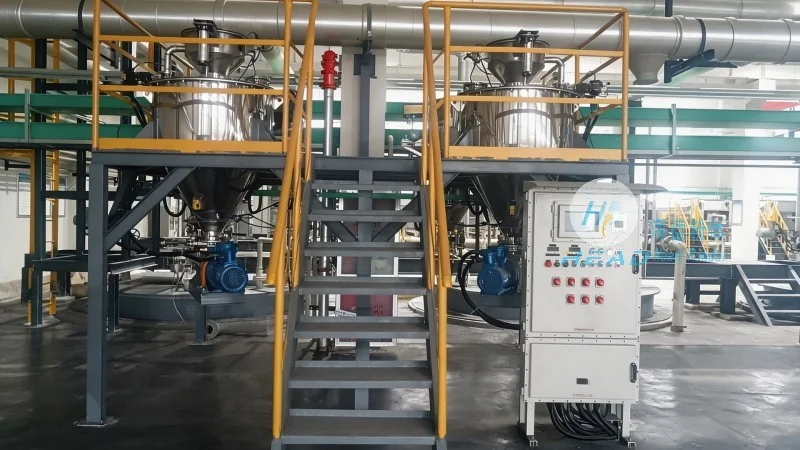
Step 1: Material Preparation - The soybean protein powder is prepared in a storage bin or a hopper, where it is stored under controlled conditions to prevent moisture absorption and agglomeration. The material is then fed into the feeder at a controlled rate, ensuring a consistent flow.
Step 2: Air Supply Activation - The air supply system is activated, and the blower or compressor starts to generate the required air pressure. The air is filtered to remove any contaminants that could affect the quality of the powder or damage the equipment.
Step 3: Material and Air Mixing - The soybean protein powder is introduced into the conveying pipe through the feeder, and the air from the supply system is introduced at the same time. The powder particles are entrained by the air flow and carried through the pipe. The mixing process is critical to ensure that the powder is fully suspended and transported efficiently.
Step 4: Transport Through the Conveying Pipe - The mixture of soybean protein powder and air travels through the conveying pipe at a high velocity. The pipe is designed with appropriate bends and fittings to maintain the flow and prevent material deposition or blockages. The air flow velocity is maintained at a level that ensures the powder particles remain suspended and do not settle.
Step 5: Separation and Collection - At the receiving end of the conveying line, the mixture enters the separation system. The cyclone separator uses centrifugal force to separate the powder from the air, while the bag filter captures any fine particles that may have escaped. The separated powder is collected in a storage bin or a processing vessel, ready for the next stage of production. The air is then filtered and either returned to the system or discharged.
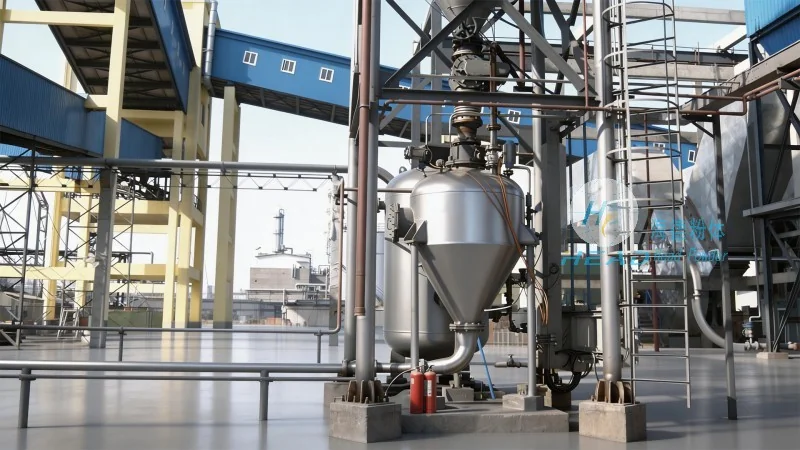
Step 6: System Shutdown and Maintenance - After the material transport is complete, the system is shut down in an orderly manner. The control system monitors the pressure and flow to ensure that the system is properly depressurized. Regular maintenance is performed to check for any wear and tear, clean the filters, and replace any worn parts. This ensures that the equipment remains in optimal condition and continues to operate efficiently.
Working Principle of the Pneumatic Conveying Equipment
The working principle of the pneumatic conveying equipment for soybean protein powder is based on the principles of fluid dynamics and particle transport. The system operates by using air as the conveying medium to transport the solid material. There are two main types of pneumatic conveying systems: positive pressure systems and negative pressure systems.
1. Positive Pressure System - In a positive pressure system, the air is blown into the conveying pipe, creating a high-pressure environment that forces the material to move forward. The air flow is maintained at a high velocity to ensure that the powder particles are fully suspended. The positive pressure system is typically used for short to medium distance transport and for materials that are not too abrasive.
2. Negative Pressure System - In a negative pressure system, the air is drawn from the conveying pipe, creating a low-pressure environment that sucks the material into the pipe. The air flow is also maintained at a high velocity to ensure that the powder particles are entrained. The negative pressure system is typically used for longer distance transport and for materials that are more abrasive or have a higher tendency to agglomerate.




