For industrial applications involving silicon carbide (SiC) materials, efficient and reliable material handling is crucial. Pneumatic conveying equipment, specifically designed for silicon carbide, offers a solution that addresses the unique challenges associated with handling this abrasive and high-density material. This article explores the operation process and working principle of such equipment, highlighting its key components, operational steps, and benefits for industries relying on silicon carbide.
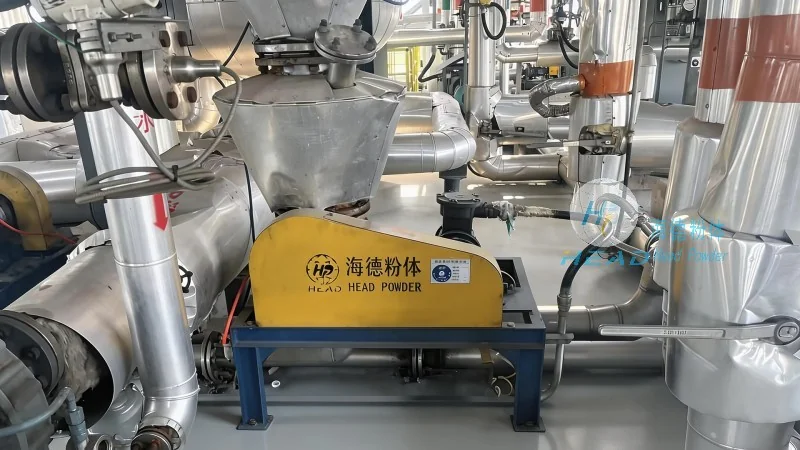
Introduction to Silicon Carbide Material Pneumatic Conveying Equipment
Silicon carbide is a hard, brittle material widely used in abrasive tools, refractory products, and semiconductor manufacturing due to its exceptional hardness and thermal stability. Traditional material handling methods, such as belt conveyors or bucket elevators, may struggle with SiC due to its abrasive nature and the risk of material degradation or equipment wear. Pneumatic conveying systems provide a more effective alternative by using air pressure to transport the material, minimizing direct contact and reducing wear on equipment components.
Working Principle of Pneumatic Conveying Systems
The core principle of pneumatic conveying is the use of compressed air to move solid particles through a pipeline. There are two main types of pneumatic conveying systems: suction (or vacuum) and pressure systems. For silicon carbide, a combination of these or a dedicated pressure system is often employed to ensure stable and efficient transport. The system typically consists of a feeding device, a conveying line, a separation unit, and a gas source. The feeding device introduces the silicon carbide material into the system, while the compressed air creates a flow that carries the particles through the pipeline. The separation unit then separates the material from the air, allowing for collection and further processing.
Key Components and Their Functions
Several critical components work together to ensure the smooth operation of the pneumatic conveying system for silicon carbide:
1. Feeding Device: This component, often a rotary valve or a screw feeder, introduces the silicon carbide material into the conveying line. It ensures a consistent and controlled flow of material, preventing blockages and maintaining system efficiency.
2. Compressed Air System: A high-pressure air compressor provides the necessary air pressure to generate the conveying force. The system includes filters and regulators to ensure clean, dry air, which is essential for preventing contamination and maintaining equipment performance.
3. Conveying Pipeline: The pipeline is typically made of materials resistant to abrasion, such as stainless steel or special alloys, to withstand the wear caused by silicon carbide particles. The design of the pipeline, including bends and transitions, is optimized to minimize pressure loss and maintain the flow of material.
4. Separation Unit: This component, often a cyclone separator or a bag filter, separates the silicon carbide material from the air stream. The separation process is critical for recovering the material and preventing dust emissions, which is essential for environmental compliance and workplace safety.
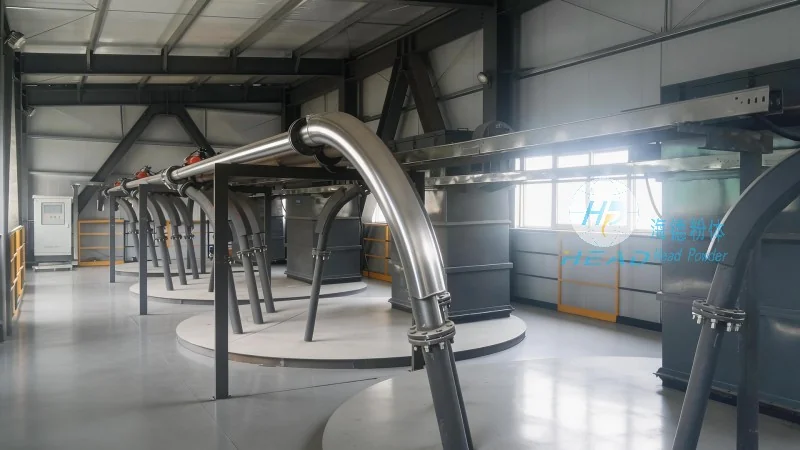
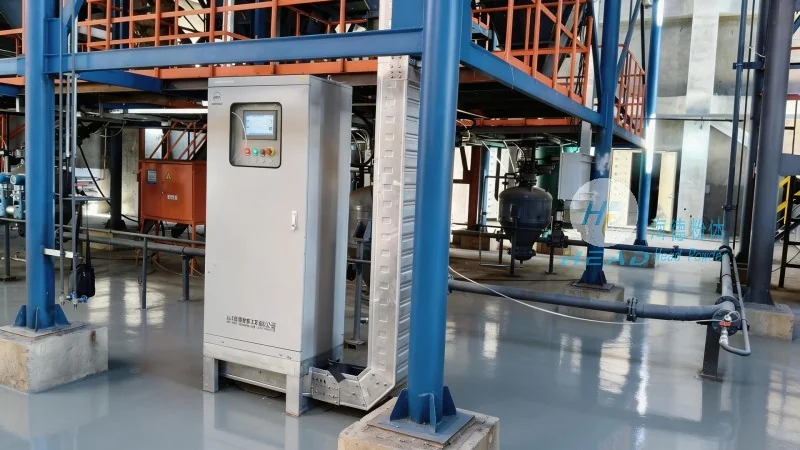
5. Control System: An automated control system monitors and regulates the operation of the entire system, ensuring optimal performance and preventing issues such as overpressure or material buildup.
Operation Process of the Equipment
The operation of the silicon carbide material pneumatic conveying equipment follows a systematic process:
1. Material Preparation: The silicon carbide material is prepared and fed into the feeding device. The material is typically stored in a hopper or silo, and the feeding device ensures a steady flow into the system.
2. Air Compression: The compressed air system generates the required air pressure. The air is filtered and regulated to maintain a consistent pressure level.
3. Conveying: The feeding device introduces the material into the pipeline, and the compressed air creates a flow that carries the particles through the conveying line. The system is designed to handle the specific characteristics of silicon carbide, such as its density and particle size.
4. Separation: The material is separated from the air in the separation unit. The separated material is collected and prepared for further processing or storage.
5. Discharge: The clean air is discharged from the system, while the silicon carbide material is collected in a designated container. The system may include a final filtration step to ensure that no dust is released into the environment.
Advantages of Using This Equipment for Silicon Carbide
Implementing a pneumatic conveying system for silicon carbide offers several advantages over traditional material handling methods:
1. Efficiency and Speed: Pneumatic conveying allows for rapid and continuous transport of silicon carbide, reducing handling time and increasing production throughput.
2. Reduced Wear and Tear: By minimizing direct contact between the material and equipment components, the system reduces wear and extends the lifespan of the equipment.
3. Environmental Benefits: The separation unit effectively captures dust, reducing emissions and improving workplace safety. This is particularly important for handling abrasive materials like silicon carbide.
4. Flexibility: The system can be easily integrated into existing production lines and adapted to handle varying material volumes and characteristics.
5. Cost-Effectiveness: Over time, the reduced maintenance costs and increased efficiency of the system can lead to significant cost savings for industrial operations.
About Shandong HeadPowder Engineering Co., Ltd.
Shandong HeadPowder Engineering Co., Ltd., operating under the brand name HeadPowder, is a leading manufacturer of pneumatic conveying equipment tailored for specialized materials like silicon carbide. With a focus on engineering excellence and customer-centric solutions, the company has developed advanced systems that address the unique challenges of handling abrasive and high-density materials. HeadPowder's expertise in material handling technology ensures that their equipment is designed to deliver reliable performance, long service life, and optimal efficiency for industrial applications. The company's commitment to quality and innovation has made it a trusted partner for businesses in the silicon carbide and related industries, providing tailored solutions that meet specific operational requirements.




