Pneumatic conveying technology plays a crucial role in the processing and handling of lithium-ion battery anode materials. This method efficiently transports fine powders like graphite or silicon-based anode powders, which are essential components in modern battery manufacturing. The process involves using air or other gases to move material particles through a pipeline system, offering advantages such as dust-free operation, high throughput, and the ability to handle sensitive materials without contamination.
Structural Principles of Pneumatic Conveying Systems
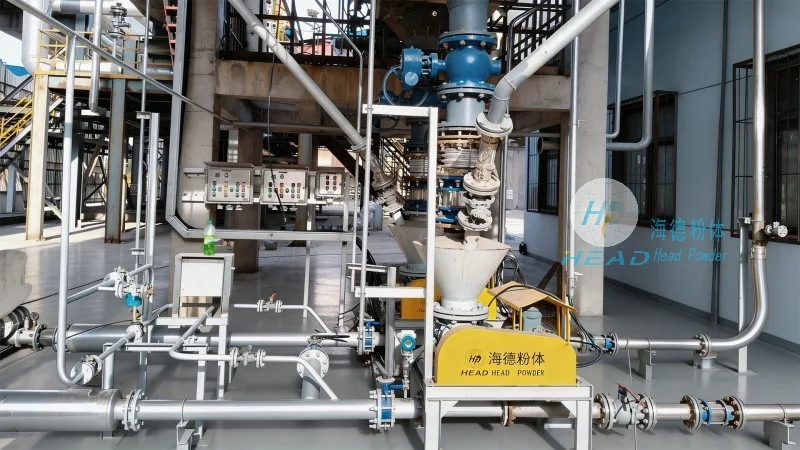
A typical pneumatic conveying system for lithium-ion battery anode materials consists of several key components, each designed to facilitate the material's movement from the source to the destination. The primary components include a material feeder, a conveying pipeline, a separation or collection unit, and a control system. The material feeder, often a rotary valve or a screw feeder, ensures a consistent and controlled flow of anode powder into the system. This feeder is critical for maintaining uniform particle distribution and preventing blockages.
The conveying pipeline is typically made of stainless steel or other corrosion-resistant materials to handle the abrasive nature of anode powders. The design of the pipeline, including bends and expansions, is optimized to minimize pressure loss and maintain the material's velocity. The system may use either positive pressure (where air is blown into the pipeline) or negative pressure (where air is drawn out), depending on the specific application and material characteristics.
Working Mechanism of the Conveying Process
In the positive pressure system, a blower or compressor generates high-pressure air that pushes the anode powder through the pipeline. The air and powder mixture travels at a velocity sufficient to keep the particles suspended and prevent settling. As the mixture moves through the pipeline, it passes through various components like expansion chambers or cyclones, which help separate the air from the powder. The separation unit, often a cyclone separator or a bag filter, captures the anode powder and returns it to the process or storage area.
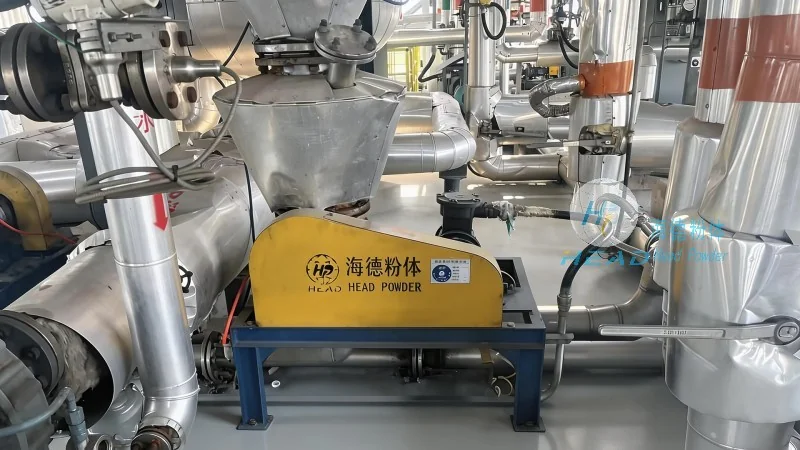
For negative pressure systems, a vacuum pump creates a low-pressure environment that draws the powder and air mixture into the pipeline. This method is particularly useful for applications where dust control is paramount, as the entire system operates under a negative pressure, preventing particles from escaping into the environment. The separation process in negative pressure systems is similar, with the collected powder being discharged into a collection bin or hopper.
Key Advantages and Applications in Lithium-Ion Battery Production
Pneumatic conveying offers several advantages for handling lithium-ion battery anode materials. These include the ability to transport materials over long distances without the need for mechanical components like conveyor belts or buckets, which can introduce contamination or wear. The system is also flexible, allowing for changes in material flow rates and pipeline configurations as production needs evolve. Additionally, the enclosed nature of the system ensures that anode powders, which can be sensitive to moisture or oxidation, are protected from environmental factors.
In lithium-ion battery manufacturing, pneumatic conveying is commonly used in stages such as raw material feeding, mixing, and final packaging. For example, in the production of graphite anodes, the fine graphite powder is conveyed from storage silos to mixing equipment or directly to the battery cell assembly line. The efficiency of the system ensures that production lines can operate continuously without interruptions, which is critical for meeting high demand in the battery industry.
HeadPowder Engineering: Expertise in Pneumatic Conveying Solutions
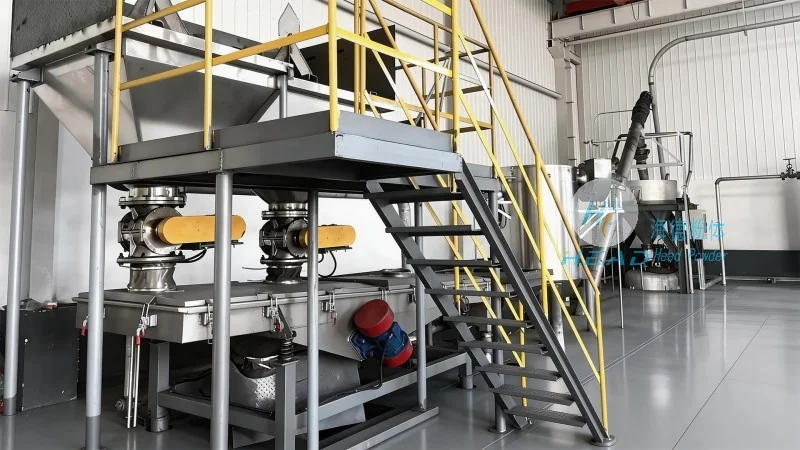
Shandong HeadPowder Engineering Co., Ltd., a leading provider of material handling solutions, specializes in designing and manufacturing pneumatic conveying systems tailored to the specific needs of lithium-ion battery manufacturers. With a focus on precision and reliability, HeadPowder's systems are engineered to handle the unique challenges of anode materials, including their fine particle size, abrasive properties, and sensitivity to moisture.
The company's expertise lies in customizing conveying systems to match the production scale and operational requirements of clients. Whether for small-scale laboratory testing or large-scale industrial production, HeadPowder offers solutions that optimize material flow, minimize downtime, and enhance overall process efficiency. By leveraging advanced engineering and material science knowledge, HeadPowder ensures that its systems meet the stringent quality standards required in the battery industry.
Conclusion: The Importance of Efficient Material Handling in Battery Manufacturing
Efficient material handling is a cornerstone of modern lithium-ion battery production, and pneumatic conveying technology, with its robust structural principles and operational advantages, plays a vital role in this process. The ability to transport anode materials safely, reliably, and without contamination is essential for maintaining high production quality and meeting market demands. As the battery industry continues to grow, the demand for advanced material handling solutions will only increase, making systems like those offered by HeadPowder Engineering increasingly important for manufacturers seeking to stay competitive.




