HeadPowder, a leading manufacturer based in Shandong, China, specializes in the design and production of advanced mica powder pneumatic conveying systems. This article provides a comprehensive overview of the equipment's structure and operational principles, highlighting its key components and how they work together to ensure efficient material handling for mica powder applications.
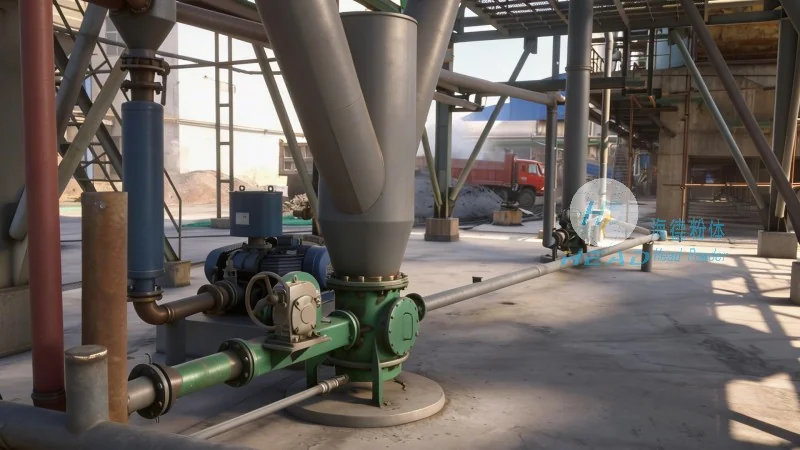
Overview of Mica Powder Pneumatic Conveying Equipment
Mica powder pneumatic conveying equipment is a critical solution for the transportation of fine mica powders in industrial settings. The system utilizes air as the conveying medium to move mica powder from a source to a destination, eliminating the need for traditional mechanical conveyors that may cause product contamination or degradation. HeadPowder's equipment is engineered to handle the unique properties of mica powder, such as its fine particle size and light weight, ensuring reliable and consistent performance.
Key Components of the Pneumatic Conveying System
The mica powder pneumatic conveying system consists of several essential components that work in tandem to achieve efficient material transport. These components include the material feed hopper, air compressor, conveying line, and discharge hopper. Each component plays a vital role in the overall operation of the system.
1. **Material Feed Hopper**: The feed hopper is responsible for storing and feeding the mica powder into the conveying line. It is designed with a smooth interior to prevent material buildup and ensure a consistent flow of powder. The hopper is equipped with a gate valve that controls the amount of material released into the system.
2. **Air Compressor**: The air compressor generates the necessary pressure and volume of air to move the mica powder through the conveying line. HeadPowder uses high-efficiency compressors that are specifically designed for pneumatic conveying applications, ensuring stable and reliable air supply.
3. **Conveying Line**: The conveying line is typically made of stainless steel or other corrosion-resistant materials to prevent contamination of the mica powder. It is equipped with a series of bends and elbows that are designed to minimize pressure loss and maintain the flow of powder. The line may also include filters to remove any moisture or contaminants from the air.
4. **Discharge Hopper**: The discharge hopper collects the mica powder at the destination point. It is designed to handle the flow of powder and prevent it from spilling or clogging. The hopper is equipped with a valve that controls the release of the material to the final storage or processing area.
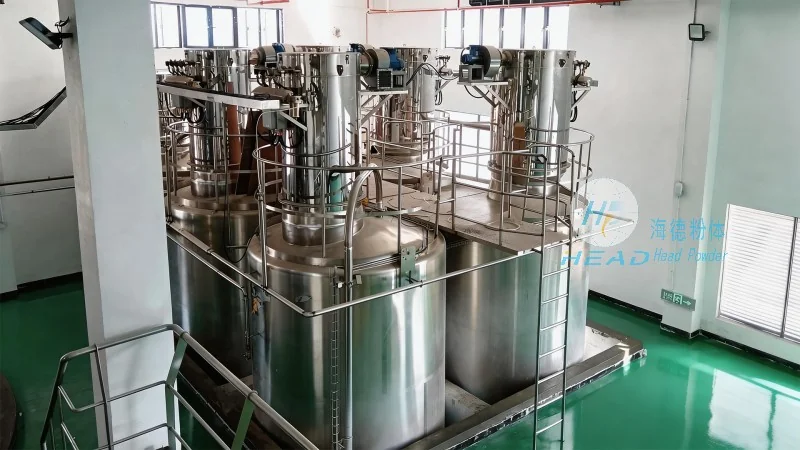
Working Principle of the Pneumatic Conveying System
The operation of the mica powder pneumatic conveying system involves several steps that ensure efficient and safe material transport. The process begins with the mica powder being fed into the material feed hopper. The air compressor then generates a flow of air that is introduced into the conveying line. As the air flows through the line, it picks up the mica powder particles and transports them to the discharge hopper.
The key to the system's efficiency lies in the balance between the air flow rate and the material feed rate. If the air flow is too low, the mica powder may not be fully entrained and may settle in the conveying line. Conversely, if the air flow is too high, the system may experience excessive pressure loss and energy consumption. HeadPowder's equipment is equipped with advanced control systems that monitor and adjust the air flow and material feed to maintain optimal performance.
Advantages of Mica Powder Pneumatic Conveying Equipment
HeadPowder's mica powder pneumatic conveying equipment offers several advantages over traditional mechanical conveyors. These advantages include:
1. **Reduced Product Contamination**: The use of air as the conveying medium eliminates the risk of product contamination from mechanical parts or other materials.
2. **Improved Material Handling Efficiency**: The system can transport mica powder over long distances with minimal pressure loss, ensuring consistent flow rates.
3. **Lower Maintenance Costs**: The equipment is designed with fewer moving parts compared to mechanical conveyors, reducing the need for frequent maintenance and repairs.
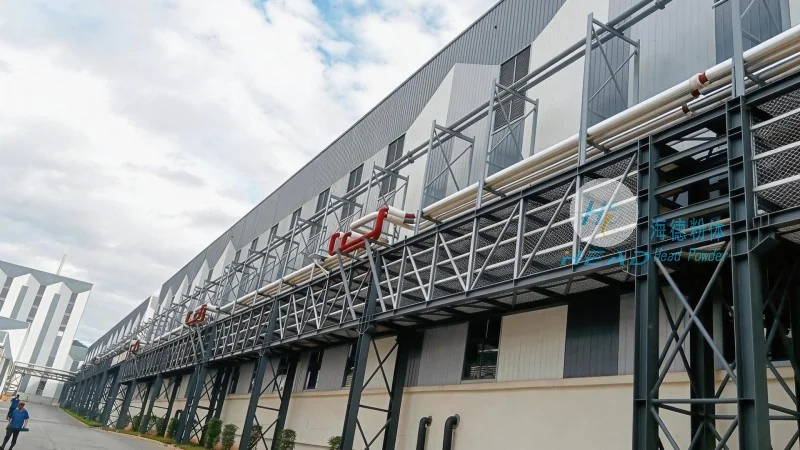
4. **Enhanced Safety**: The system operates in a closed environment, reducing the risk of dust explosions and improving workplace safety.
Applications of Mica Powder Pneumatic Conveying Equipment
Mica powder pneumatic conveying equipment is widely used in various industries that require the handling of fine mica powders. Some common applications include:
1. **Ceramic Industry**: Mica powder is used as a raw material in the production of ceramic products, and the conveying system ensures a consistent supply of material to the production line.
2. **Paint and Coating Industry**: Mica powder is used as a pigment or filler in paint and coating formulations, and the system ensures the accurate and efficient delivery of the powder to the mixing process.
3. **Electrical and Electronics Industry**: Mica powder is used in the production of electrical insulators and other components, and the conveying system ensures the clean and reliable transport of the material.
4. **Construction Industry**: Mica powder is used as a filler in construction materials, such as plaster and concrete, and the system ensures the consistent supply of material to the construction site.




