Headpowder Pneumatic Conveying Systems represent a sophisticated solution for material handling and transportation in various industrial applications. These systems are designed to efficiently transport bulk materials through a network of pipes using air or other gases as the conveying medium. The technology offers significant advantages over traditional mechanical conveyors, including reduced maintenance, lower energy consumption, and the ability to handle a wide range of materials, from powders and granules to fine particles and even some liquids in emulsified form.
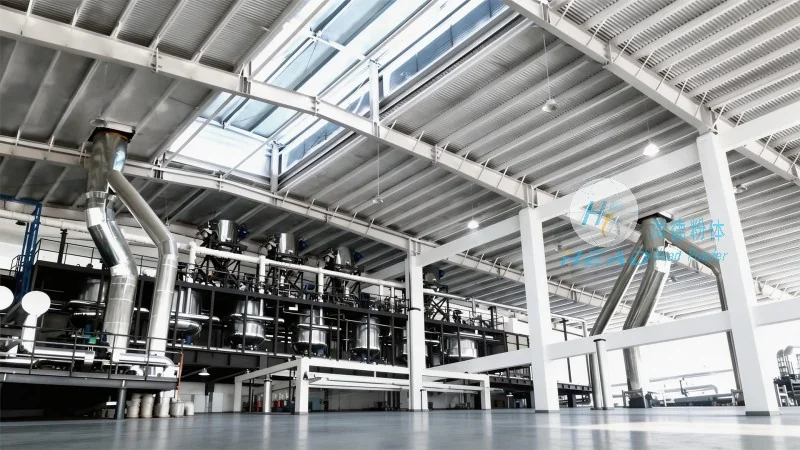
Core Components and Structural Design
The Headpowder pneumatic conveying line typically consists of several key components that work in concert to ensure reliable and efficient material transport. The primary elements include a feeding system, a conveying pipeline, a control unit, and a discharge mechanism. The feeding system is responsible for introducing the material into the system, often through a hopper or a rotary valve that controls the flow rate. The pipeline network connects the feeding point to the discharge point, with the design of the pipeline (e.g., straight, curved, or vertical) tailored to the specific layout of the facility and the material characteristics. The control unit manages the air pressure, flow rate, and material feed, ensuring optimal operation and preventing issues such as blockages or overloading. The discharge mechanism, which may include a rotary valve or a venturi, regulates the release of the material at the destination point.
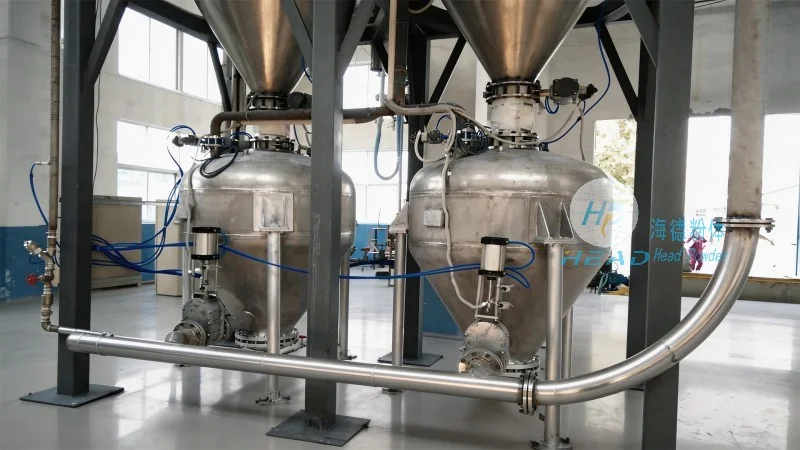
Operating Principles and Working Mechanism
The fundamental principle behind pneumatic conveying is the use of differential pressure to move material through the pipeline. In a typical system, air is supplied under pressure (either positive or negative pressure, depending on the configuration) to create a flow that entrains the material particles. The material is suspended in the air stream and transported to the discharge point. The system can operate in either dilute-phase or dense-phase modes. Dilute-phase conveying uses higher air velocities to keep the material suspended, suitable for short distances or low material loads. Dense-phase conveying, on the other hand, uses lower air velocities and higher material concentrations, which is ideal for longer distances or when handling abrasive or sensitive materials, as it reduces particle impact and wear on the system components.
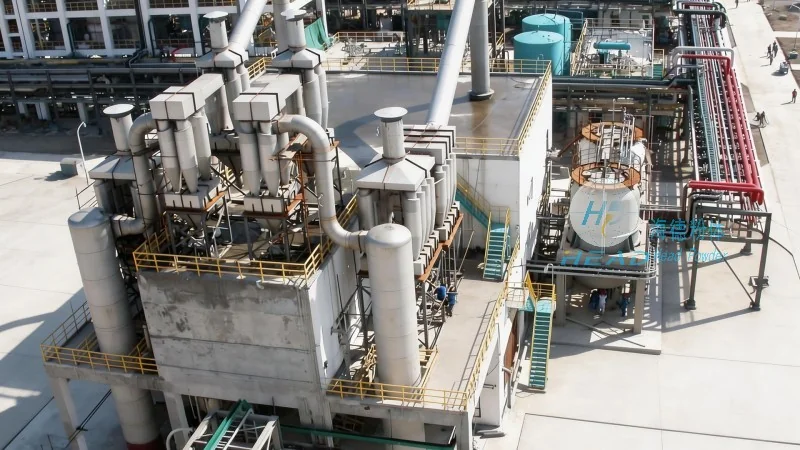
Advantages and Applications
Headpowder pneumatic conveying systems offer numerous benefits that make them a preferred choice in many industries. These include minimal space requirements, as the system can be installed in a compact footprint compared to traditional conveyors, and the ability to transport materials through vertical or horizontal paths without the need for multiple transfer points. The systems are also highly flexible, allowing for easy integration into existing production lines and modifications to accommodate changes in material types or production volumes. Common applications include the handling of powders in pharmaceutical, food, and chemical industries, as well as granules in cement and mineral processing, and even fine particles in the plastics and metalworking sectors.
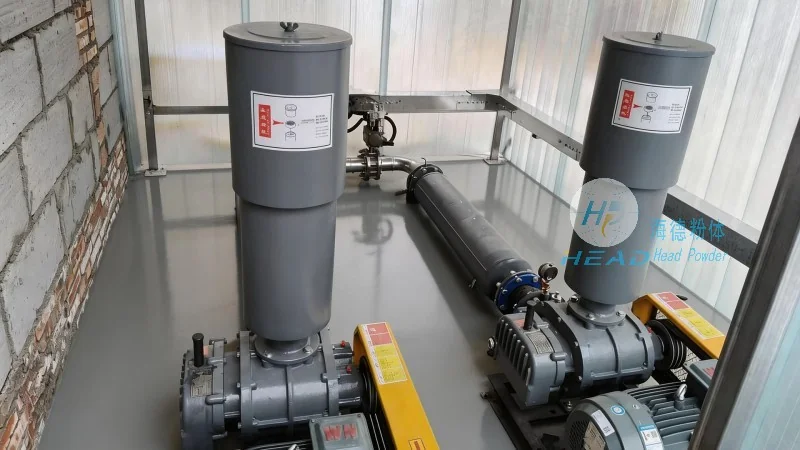
Company Profile: Shandong HeadPowder Engineering Co., Ltd.
Headpowder, formally known as Shandong HeadPowder Engineering Co., Ltd., is a leading manufacturer and supplier of pneumatic conveying systems. The company is headquartered in Shandong, China, and has established itself as a trusted provider of high-quality material handling solutions. With a strong focus on research and development, Headpowder continuously innovates its products to meet the evolving needs of the industrial sector. The company's commitment to quality and customer satisfaction is reflected in its comprehensive product range, which includes custom-designed systems tailored to specific customer requirements. Headpowder's expertise in pneumatic conveying technology ensures that clients receive reliable, efficient, and durable equipment that enhances their operational efficiency and reduces downtime.




