Biomass powder pneumatic conveying systems are critical in modern industrial processes for efficiently transporting bulk materials like biomass powders. These systems utilize air or other gases to move particles through a network of pipes, offering advantages such as high transport efficiency, minimal material degradation, and the ability to handle materials in a closed system. The design and operation of these systems are tailored to the specific characteristics of biomass powders, ensuring reliable and cost-effective material handling.
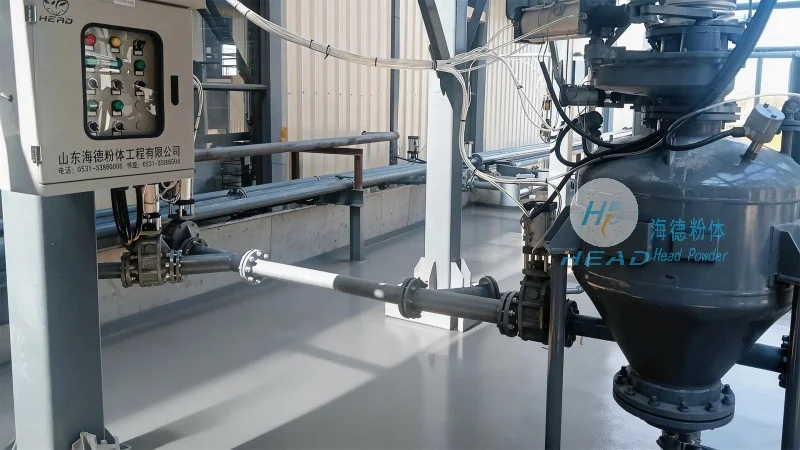
At Shandong HeadPowder Engineering Co., Ltd., we specialize in the design, manufacturing, and integration of advanced biomass powder pneumatic conveying systems. Our solutions are engineered to meet the unique demands of various industries, including biomass energy, agriculture, and chemical processing. By leveraging our expertise in material handling technology, we provide customized systems that enhance productivity and operational safety.
Key Structural Components of Biomass Powder Pneumatic Conveying Systems
The core structure of a biomass powder pneumatic conveying system typically includes several essential components that work in tandem to ensure efficient material transport. The primary components are:
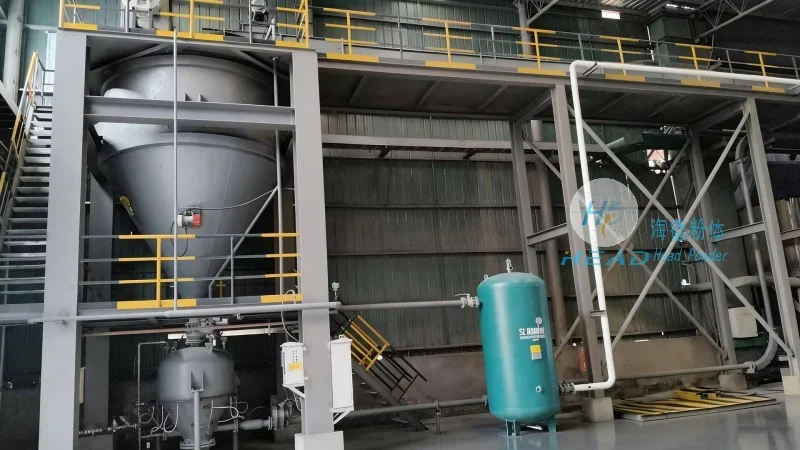
- Pneumatic Conveying Pipes: These are the main conduits through which the biomass powder is transported. The pipes are designed with smooth interiors to minimize friction and particle buildup, ensuring consistent flow rates. Materials like stainless steel or high-grade plastic are commonly used to withstand the abrasive nature of biomass powders.
- Air Source Equipment: This includes compressors, air dryers, and filters that generate and condition the air or gas used for conveying. The air source must be capable of delivering sufficient pressure and volume to move the biomass powder through the system. Proper air filtration is crucial to prevent contamination and maintain system performance.
- Conveying Nozzles and Valves: These components control the flow of material and air within the system. Nozzles are strategically placed to direct the biomass powder into the conveying pipes, while valves regulate the air pressure and material discharge. High-quality valves are essential to prevent backflow and ensure precise control over the conveying process.
- Separation and Collection Units: These systems are used to separate the biomass powder from the conveying air at the end of the transport path. Cyclone separators, bag filters, or other filtration devices are employed to capture the powder and return it to the process or storage. This step is vital for maintaining material purity and preventing dust emissions.
- Pneumatic Conveying Accessories: Additional components such as expansion joints, bends, and check valves are included to accommodate system flexibility and address potential pressure fluctuations. These accessories ensure the system operates smoothly under varying conditions and protect against mechanical stress.
Each component is carefully selected and integrated to create a cohesive system that optimizes the transport of biomass powders. The design considers factors like particle size, moisture content, and bulk density to ensure the system operates efficiently and reliably.
Working Principles of Biomass Powder Pneumatic Conveying Systems
The operation of a biomass powder pneumatic conveying system is based on the principle of fluidization and suspension of particles using a moving gas stream. When air is introduced into the conveying pipe at a sufficient velocity, it creates a low-pressure zone that draws the biomass powder into the system. The particles are then suspended in the air stream and transported through the pipes to the destination point.
There are two main types of pneumatic conveying systems: pressure and vacuum systems. Pressure systems use compressed air to push the material through the pipes, while vacuum systems use a vacuum to pull the material from the source. The choice between these systems depends on the distance, height, and material characteristics. For biomass powders, pressure systems are often preferred due to their ability to handle longer distances and higher material loads.
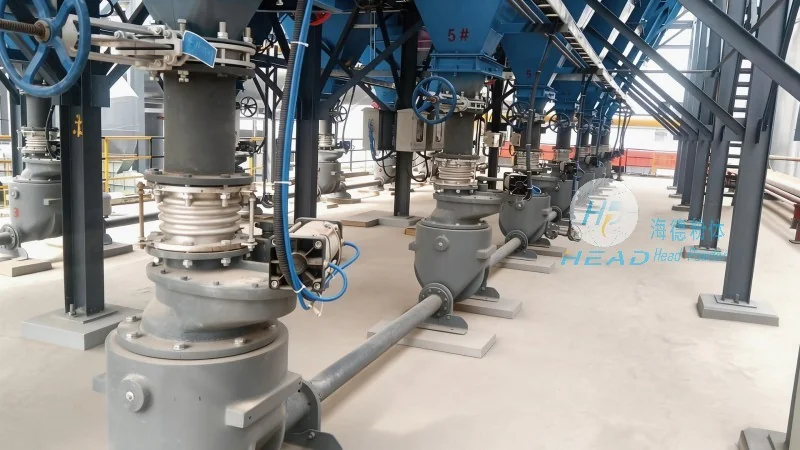
The system operates by first feeding the biomass powder into the conveying pipe at the inlet. The air source then supplies the necessary airflow, which lifts the powder particles and carries them through the system. At the discharge point, the air is separated from the powder, and the powder is collected for further processing or storage. The air, now filtered, is either recirculated or vented to the atmosphere, depending on the system design.
Applications and Benefits of Biomass Powder Pneumatic Conveying Systems
Biomass powder pneumatic conveying systems are widely used in various industries due to their versatility and efficiency. Some common applications include:




