HeadPowder, a leading manufacturer based in Shandong, China, specializes in the design and production of advanced pneumatic conveying systems tailored for the precise and efficient handling of powders. This article provides an overview of the key equipment involved in automatic quantitative pneumatic conveying systems, along with a detailed explanation of their structural principles and operational mechanisms.
The automatic quantitative pneumatic conveying system is a sophisticated piece of industrial equipment engineered to transport bulk powders through a pipeline using compressed air. It is widely utilized in various industries, including food processing, pharmaceuticals, chemicals, and manufacturing, where accurate material handling and contamination control are critical. The system ensures consistent and reliable delivery of powders by integrating precision measurement and control technologies with robust pneumatic transport mechanisms.
Key Components and Equipment Overview
The automatic quantitative pneumatic conveying system comprises several essential components that work in tandem to achieve accurate and efficient powder transport. These components include the material hopper, feeder, air compressor, conveying line, and a control system. Each component plays a crucial role in the overall operation of the system, ensuring that powders are conveyed in a controlled manner without loss or degradation.
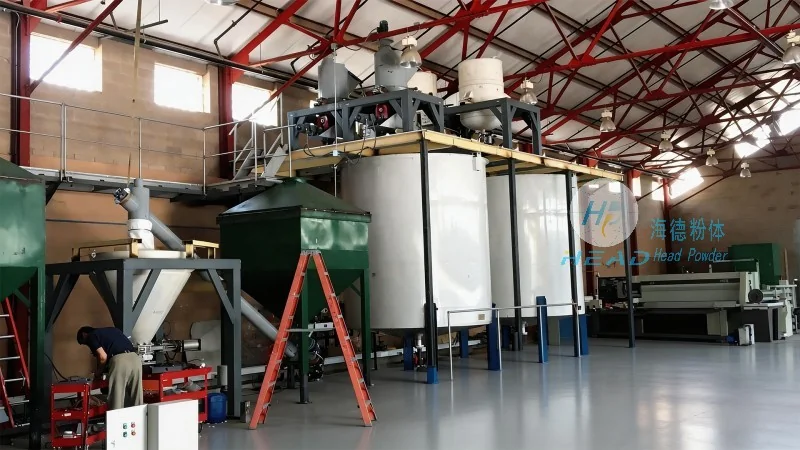
The material hopper is the primary storage vessel where the bulk powder is loaded. It is designed with a conical or rectangular shape to facilitate uniform material flow and prevent clogging. The hopper is equipped with a discharge valve that connects to the feeder, which is responsible for metering the powder at a precise rate. The feeder, often a rotary valve or a screw feeder, regulates the flow of powder into the conveying line, ensuring that the quantity of material being transported is consistent and meets the required specifications.
The air compressor is a critical component that generates the compressed air necessary to move the powder through the pipeline. It is typically a positive displacement or centrifugal compressor, selected based on the system's capacity and the characteristics of the powder being conveyed. The compressor is connected to the conveying line via a series of air treatment devices, such as air filters and regulators, to ensure that the air is clean and at the appropriate pressure and flow rate.
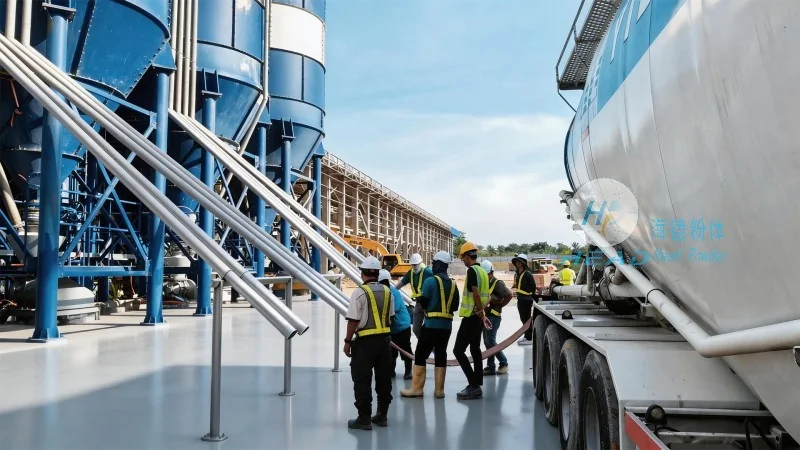
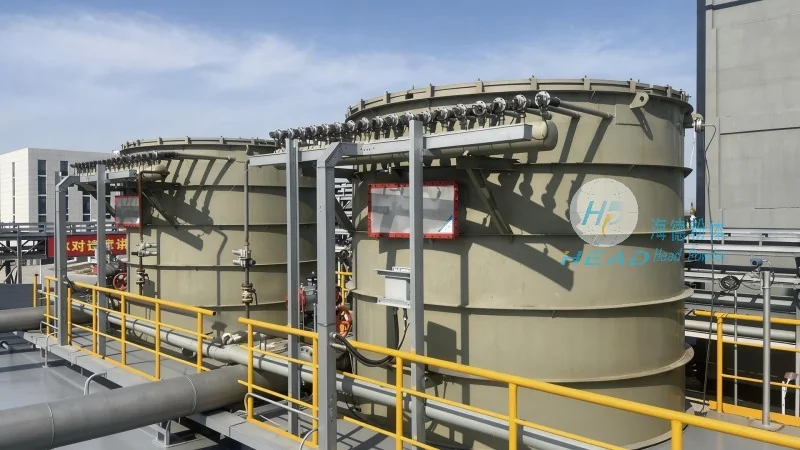
The conveying line is the main pipeline through which the powder is transported. It is usually made of stainless steel or other corrosion-resistant materials to prevent contamination and ensure durability. The line is equipped with various fittings, such as elbows, tees, and check valves, to direct the flow of powder and maintain the pressure within the system. The line may also include a pulse jet cleaning system to prevent powder buildup and maintain consistent performance.
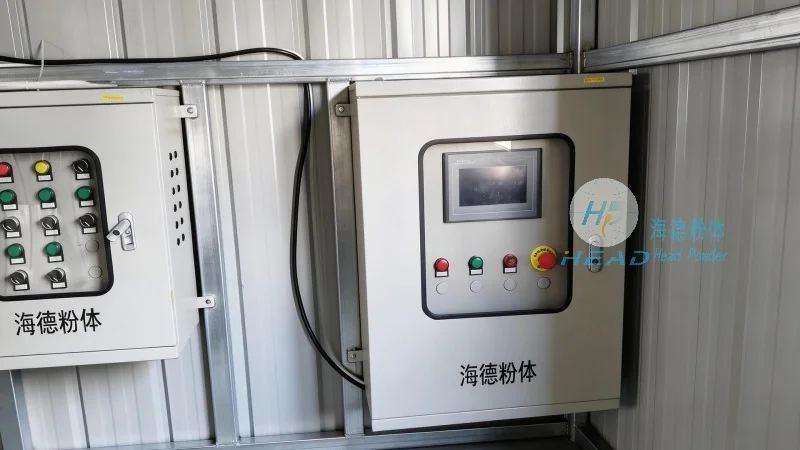
The control system is the brain of the automatic quantitative pneumatic conveying system. It monitors and regulates the operation of all components, including the feeder, compressor, and conveying line. The control system uses sensors and feedback mechanisms to adjust the flow rate of the powder and the pressure of the air, ensuring that the system operates within optimal parameters. It also includes safety features to prevent overpressure or underflow, protecting the equipment and personnel from potential hazards.
Structural Principles and Operational Mechanisms
The structural principles of the automatic quantitative pneumatic conveying system are based on the fundamental physics of fluid dynamics and particle transport. The system operates by creating a pressure differential between the material hopper and the discharge point, which forces the powder to move through the conveying line. The compressed air is introduced into the conveying line at a controlled rate, creating a flow of air that entrains the powder particles and transports them to the destination.
The process begins with the powder being discharged from the hopper into the feeder. The feeder then meters the powder at a precise rate, which is determined by the system's control settings. The metered powder is then mixed with the compressed air in the conveying line, forming a slurry or a dilute phase flow. The air velocity in the line is maintained at a level that is sufficient to keep the powder particles suspended and prevent them from settling or clogging the line.
As the mixture travels through the conveying line, it encounters various fittings and components that may cause changes in direction or pressure. The control system continuously monitors the pressure and flow rate, adjusting the air supply as needed to maintain the desired transport conditions. The powder is then discharged at the end of the line into a receiving hopper or container, where it is collected and used in the next stage of the production process.
The system's structural design is optimized to minimize pressure losses and maximize the efficiency of powder transport. The use of smooth, corrosion-resistant materials and well-designed fittings reduces friction and prevents powder buildup, ensuring that the system operates with high efficiency and low maintenance requirements. The control system's ability to adjust the flow rate and pressure in real-time allows for precise control over the quantity of powder being transported, making it suitable for applications that require exact dosing and measurement.
Advantages and Applications
The automatic quantitative pneumatic conveying system offers several advantages over traditional powder handling methods, such as manual handling or mechanical conveyors. These advantages include improved accuracy and consistency in material transport, reduced risk of contamination, and increased efficiency and productivity. The system is also capable of handling a wide range of powder types, from fine powders to bulk materials, making it versatile and adaptable to various industrial applications.
HeadPowder's automatic quantitative pneumatic conveying systems are widely used in the food and beverage industry, where the handling of powders such as flour, sugar, and spices requires strict hygiene and precision. In the pharmaceutical industry, the system is used to transport active ingredients and excipients with high accuracy, ensuring that the final product meets the required quality standards. In the chemical industry, the system is used to handle corrosive or hazardous powders, providing a safe and efficient method of transport.
The system's ability to operate in a closed loop, with minimal exposure to the environment, reduces the risk of cross-contamination and improves product quality. It also eliminates the need for manual handling, which can be a source of errors and safety hazards. The system's compact design and low maintenance requirements make it suitable for integration into existing production lines, providing a cost-effective solution for powder handling needs.
In conclusion, the automatic quantitative pneumatic conveying system is a sophisticated and efficient piece of equipment that plays a critical role in the handling of powders in various industries. HeadPowder's expertise in designing and manufacturing these systems ensures that customers receive high-quality, reliable equipment that meets their specific needs. The system's structural principles and operational mechanisms are optimized for accuracy, efficiency, and safety, making it an ideal solution for modern industrial applications.




