Understanding the efficient and reliable transport of dry coffee powder is crucial for the coffee processing industry. This article provides an overview of the dry coffee powder conveying systems, focusing on their structural design and operational principles. By examining the key components and mechanisms involved, we can gain insights into how these systems ensure optimal performance in handling coffee powders.
Overview of Dry Coffee Powder Conveying Systems
Dry coffee powder conveying systems are specialized equipment designed to move coffee powders from one location to another within a processing facility. These systems are essential for maintaining the quality and integrity of the coffee powder, which is sensitive to moisture and temperature changes. The primary goal of such systems is to achieve a smooth, consistent flow of the powder while minimizing product degradation and ensuring safety during operation.
Key Structural Components of Dry Coffee Powder Conveying Equipment
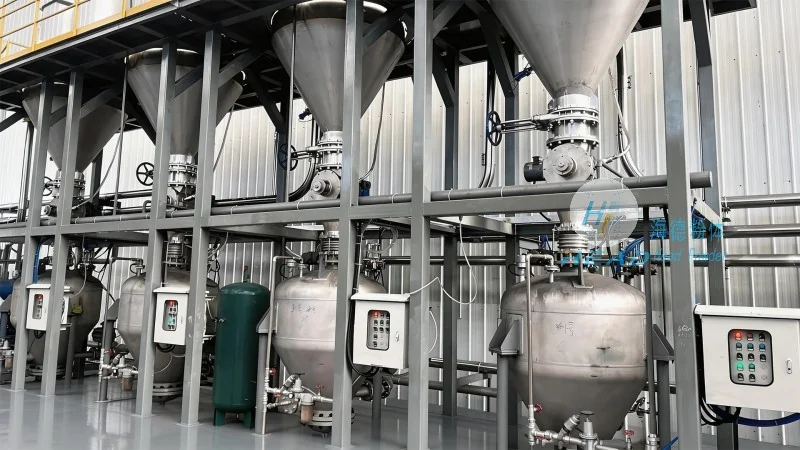
The dry coffee powder conveying systems typically consist of several critical components that work in harmony to facilitate the transport process. These components include the hopper, conveyor mechanism, control system, and discharge outlet. Each part plays a vital role in ensuring the system operates efficiently and reliably.
Firstly, the hopper serves as the storage container for the coffee powder. It is designed with a sloped bottom to allow the powder to flow smoothly into the conveyor system. The material of the hopper is usually stainless steel or food-grade plastic to prevent contamination and ensure durability. The hopper also features a level indicator to monitor the powder volume, which helps in maintaining consistent feeding rates.
Secondly, the conveyor mechanism is the core of the system, responsible for moving the coffee powder from the hopper to the discharge point. Common types of conveyor mechanisms used in dry coffee powder conveying include screw conveyors, pneumatic conveyors, and belt conveyors. Screw conveyors use a rotating screw to push the powder forward, while pneumatic conveyors utilize air pressure to transport the powder through a pipeline. Belt conveyors, on the other hand, use a moving belt to carry the powder, which is suitable for larger quantities and longer distances.
Thirdly, the control system is responsible for regulating the operation of the conveyor mechanism. It includes sensors, valves, and a control panel that allows operators to adjust the speed, pressure, and flow rate of the system. The control system ensures that the conveyor operates within safe and optimal parameters, preventing overloading or underloading that could lead to system failure or product damage.
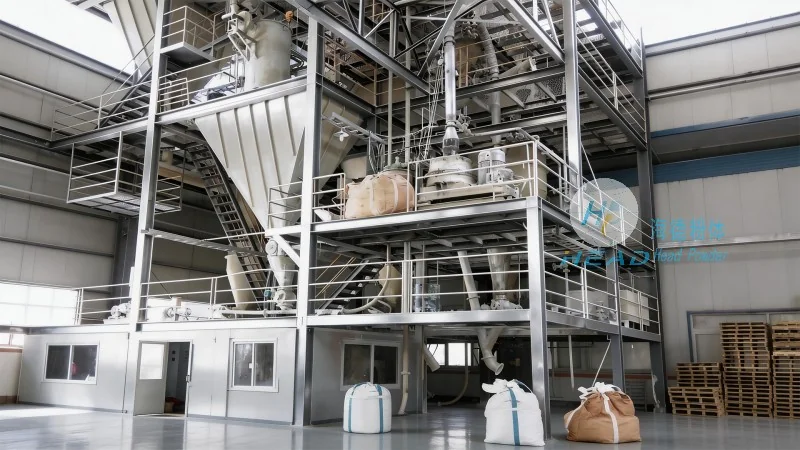
Finally, the discharge outlet is the point where the coffee powder is released from the system. It is designed to prevent spillage and ensure a clean discharge. The outlet is usually equipped with a valve that can be adjusted to control the flow rate, and it may also include a filter to remove any foreign particles from the powder.
Working Principles of Dry Coffee Powder Conveying Systems
The operation of dry coffee powder conveying systems is based on the principles of fluidization and mechanical transport. The coffee powder is treated as a bulk material that can be moved by applying force or pressure. The system works by creating a flow path for the powder, which is then propelled forward by the conveyor mechanism.
In screw conveyors, for example, the rotating screw creates a helical path that moves the powder forward. The speed of the screw determines the flow rate, and the pitch of the screw can be adjusted to control the pressure and flow characteristics. Pneumatic conveyors, on the other hand, use compressed air to create a pressure differential that moves the powder through the pipeline. The air velocity and pressure are carefully controlled to ensure the powder is transported without clogging or degradation.
Belt conveyors operate by moving the powder along a continuous belt. The belt is driven by a motor, and the speed of the belt determines the transport rate. The belt is usually made of food-grade materials to prevent contamination, and it may be equipped with a cleaning system to remove any residual powder.
The control system monitors the flow rate and pressure of the system, adjusting the conveyor speed or air pressure as needed to maintain a consistent flow. This ensures that the coffee powder is transported efficiently and without any damage or degradation.
Importance of Proper Design and Maintenance
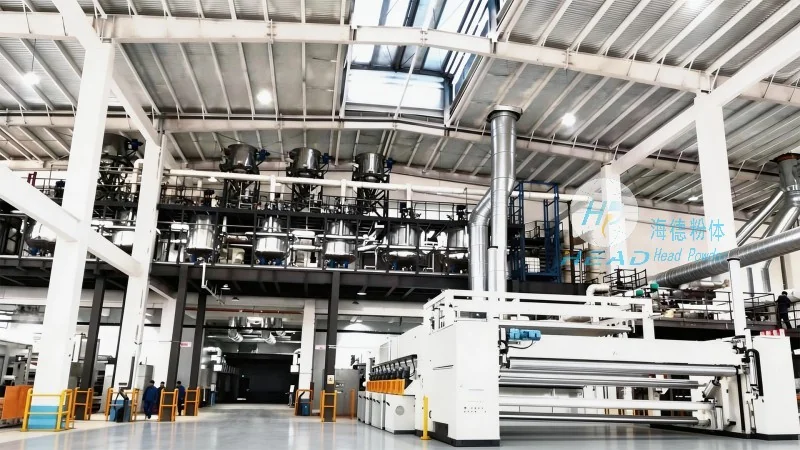
Proper design and regular maintenance of dry coffee powder conveying systems are essential for ensuring their long-term performance and reliability. The design of the system must consider the properties of the coffee powder, such as its particle size, moisture content, and flowability. The system should be designed to handle the specific characteristics of the coffee powder to prevent issues like clogging, bridging, or segregation.
Maintenance of the system involves regular cleaning of the hopper, conveyor mechanism, and discharge outlet to prevent the accumulation of powder and foreign particles. The control system should be checked regularly to ensure it is functioning correctly, and any worn or damaged parts should be replaced promptly. Regular inspections of the system can help identify potential issues before they cause major problems, ensuring the system operates efficiently and safely.
About Shandong HeadPowder Engineering Co., Ltd.
Shandong HeadPowder Engineering Co., Ltd., commonly known as headpowder, is a leading manufacturer of dry powder conveying systems and related equipment. With a focus on innovation and quality, the company has developed advanced solutions for the coffee processing industry, ensuring efficient and reliable transport of coffee powders. Headpowder's products are designed to meet the specific needs of coffee processors, providing high-performance systems that enhance productivity and product quality.
Headpowder is committed to providing comprehensive solutions for coffee powder conveying, including system design, manufacturing, and after-sales support. The company's team of experts works closely with clients to understand their specific requirements and develop customized solutions that meet their needs. With a strong reputation for quality and reliability, headpowder is a trusted partner for coffee processors worldwide.
Headpowder's facilities are located in Shandong, China, where the company has established a state-of-the-art manufacturing facility equipped with advanced technology and skilled workforce. The company adheres to strict quality control standards, ensuring that all products meet international standards and customer expectations. Headpowder's commitment to excellence has made it a leading provider of dry coffee powder conveying systems in the industry.




