For industrial applications involving limestone powder, efficient and reliable conveying systems are crucial. This article provides an overview of limestone powder conveying systems, focusing on their structural design and operational principles. The systems are engineered to handle the unique properties of limestone powder, ensuring safe and effective material transport in various industrial settings.
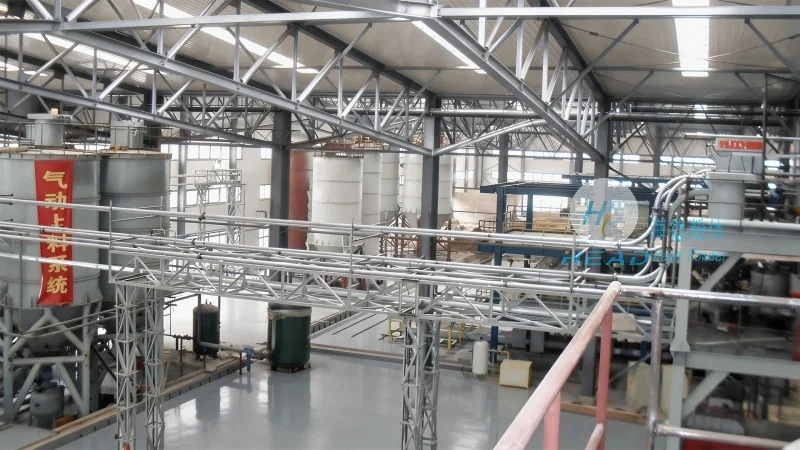
HeadPowder, a leading provider in the field, specializes in the design and manufacturing of advanced conveying solutions tailored to the demands of limestone processing industries. With a strong presence in Shandong, China, the company has established itself as a trusted partner for businesses seeking high-performance powder handling equipment.
Key Components of Limestone Powder Conveying Systems
The limestone powder conveying system typically consists of several key components that work in harmony to ensure smooth material transport. These components include feed hoppers, conveyor belts or pipes, control valves, and dust collection systems. Each component plays a vital role in the overall functionality of the system.
Feed hoppers are designed to store and regulate the flow of limestone powder, preventing overloading and ensuring consistent material delivery to the conveyor. The choice of hopper design depends on the specific characteristics of the limestone powder, such as particle size and moisture content. For limestone powders with fine particles, specialized hoppers with anti-caking features may be employed to maintain flowability.
Conveyor mechanisms, whether in the form of belt conveyors or pneumatic pipelines, are central to the system's operation. Belt conveyors are commonly used for horizontal and inclined transport, offering durability and efficiency for bulk material handling. Pneumatic conveying systems, on the other hand, utilize air pressure to transport limestone powder through pipes, which is particularly suitable for applications requiring dust-free and low-maintenance transport.
Structural Design and Material Considerations
The structural design of limestone powder conveying systems is carefully engineered to withstand the abrasive and corrosive nature of limestone powder. Materials such as stainless steel, corrosion-resistant alloys, and high-density polymers are commonly used in the construction of components like hoppers, pipelines, and conveyor frames. These materials are selected to minimize wear and tear, ensuring long-term operational reliability.
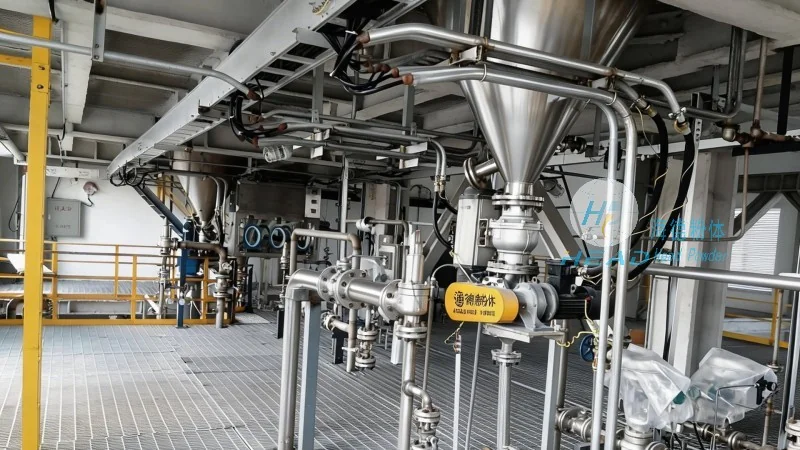
For instance, the conveyor belts in belt conveyor systems are often made from heavy-duty rubber or synthetic materials that can resist abrasion from limestone particles. Similarly, the pipelines in pneumatic conveying systems are lined with materials that prevent particle buildup and reduce friction, enhancing the system's efficiency and longevity.
Working Principles of Limestone Powder Conveying Systems
The operational principle of a limestone powder conveying system involves the controlled movement of powder from the feed hopper to the discharge point. In a belt conveyor system, the powder is fed into the hopper and then transferred onto the moving conveyor belt. The belt transports the powder along the designated path, with the speed and angle of the belt adjusted to optimize material flow and prevent spillage.
In a pneumatic conveying system, the limestone powder is introduced into a pipeline where it is mixed with air under pressure. The air flow propels the powder through the pipeline to the discharge point. The system may incorporate cyclones or filters to separate the powder from the air at the end of the pipeline, ensuring that the powder is collected efficiently and the air is cleaned before release.
Advantages of Advanced Limestone Powder Conveying Systems
Modern limestone powder conveying systems offer several advantages over traditional methods. These include improved efficiency, reduced labor costs, and enhanced safety features. The use of automated control systems allows for precise regulation of material flow, minimizing waste and optimizing production processes. Additionally, advanced dust control measures ensure compliance with environmental regulations and provide a safer working environment for personnel.
Another key advantage is the ability to handle varying particle sizes and moisture content in limestone powders. Advanced systems are equipped with sensors and adjustable parameters that can adapt to changes in material properties, ensuring consistent performance even under fluctuating conditions. This adaptability is particularly valuable in industries where limestone powder characteristics may vary due to raw material sources or processing methods.
Applications and Industries
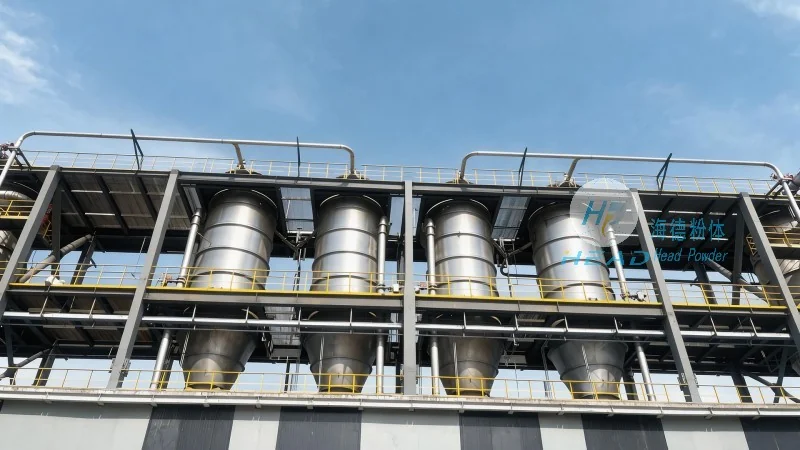
Limestone powder conveying systems are widely used in various industries that rely on limestone as a raw material. These include the cement industry, where limestone is a primary component in cement production. The systems are also utilized in the chemical industry for manufacturing lime and other calcium-based products, as well as in the construction industry for applications such as plaster and mortar production.
In the pharmaceutical and food industries, limestone powder is used as a filler or supplement, and specialized conveying systems are employed to maintain the purity and quality of the powder. The systems are designed to prevent contamination and ensure that the limestone powder remains free from foreign particles or moisture, which is critical for meeting regulatory standards in these sectors.
Maintenance and Operational Tips
Proper maintenance is essential to ensure the longevity and efficiency of limestone powder conveying systems. Regular inspections of components such as belts, pipelines, and hoppers are recommended to identify and address potential issues before they escalate. Cleaning of the system, particularly the conveyor belts and pipelines, should be performed regularly to prevent buildup of limestone powder, which can lead to reduced efficiency and increased wear.
Additionally, monitoring the system's performance parameters, such as flow rate and pressure, can help detect any deviations from normal operation. This proactive approach allows for timely adjustments and repairs, minimizing downtime and maximizing productivity. Training of personnel on the proper operation and maintenance of the conveying system is also crucial to ensure safe and efficient operation.
Conclusion
Limestone powder conveying systems are critical infrastructure in industries that rely on limestone as a raw material. The systems combine advanced structural design with efficient operational principles to ensure reliable material transport. Companies like Shandong HeadPowder Engineering Co., Ltd. play a vital role in providing these systems, leveraging their expertise and experience to meet the diverse needs of industrial clients. By investing in high-quality conveying systems, businesses can enhance their operational efficiency, reduce costs, and ensure compliance with industry standards.




