When designing a PVC powder pneumatic conveying system, several critical factors must be considered to ensure efficient and reliable operation. These design elements are crucial for maintaining the quality of the material and the overall performance of the system. The following points provide a comprehensive overview of the key considerations in system design.
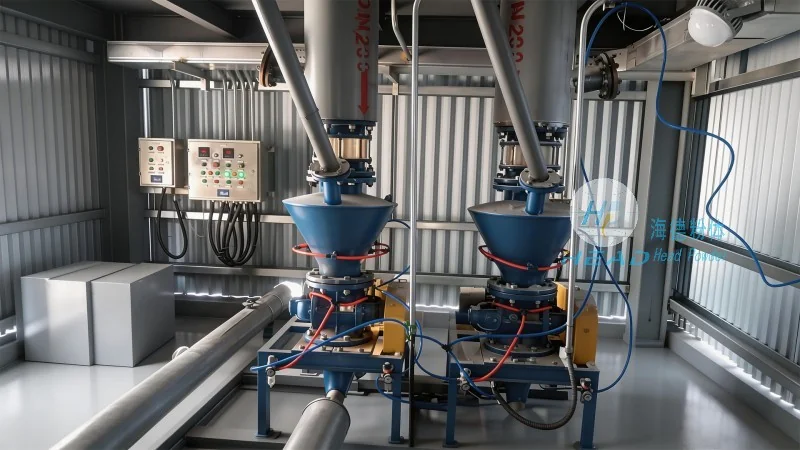
About HeadPowder Engineering
HeadPowder, the professional brand under Shandong HeadPowder Engineering Co., Ltd., specializes in the development and implementation of advanced pneumatic conveying solutions. With a focus on precision and durability, the company has established itself as a leading provider in the industry. HeadPowder’s expertise lies in tailoring systems to meet the specific needs of clients, ensuring optimal performance for various PVC powder handling applications.
System Design Considerations
The selection of the appropriate system type is the first critical step in designing a PVC powder pneumatic conveying system. Two primary categories exist: positive pressure and negative pressure systems. Positive pressure systems, which are commonly used for PVC powder, utilize a blower to force air and material through the system. This method is ideal for applications requiring high material flow rates and long-distance transport. Negative pressure systems, on the other hand, use a vacuum to draw material into the system, which is suitable for applications where dust control is a priority. The choice between these systems depends on factors such as the material’s properties, the required transport distance, and the environmental regulations in the operating location.
Pipeline Design and Material Selection
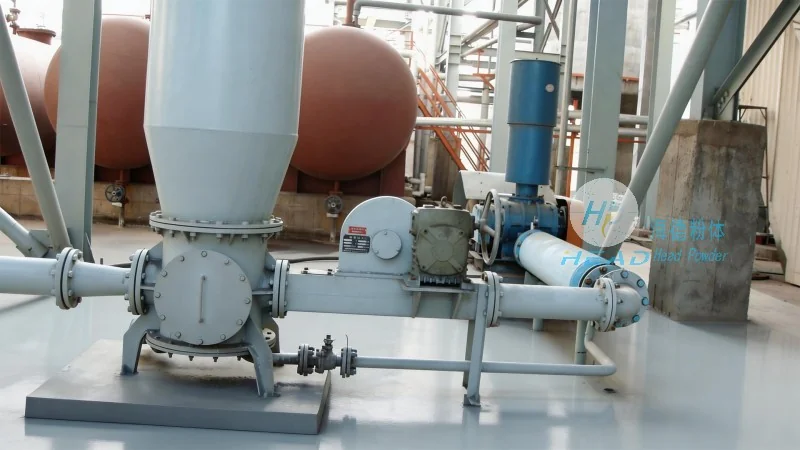
The design of the pipeline network is another vital aspect of PVC powder pneumatic conveying system design. The choice of pipeline material must withstand the corrosive nature of PVC powder and the pressure differentials within the system. Common materials include stainless steel, which offers excellent resistance to corrosion and wear, and high-density polyethylene (HDPE), which is lightweight and cost-effective for shorter distances. The diameter of the pipeline is determined by the material’s flow rate and the system’s pressure drop requirements. Properly sized pipelines minimize energy consumption and prevent material buildup, which can lead to system blockages. Additionally, the use of smooth bends and minimal fittings reduces friction losses and maintains consistent material flow.
Air Source and Blower Selection
The air source, typically a blower or fan, is a key component that drives the pneumatic conveying system. For PVC powder applications, positive displacement blowers are often preferred due to their ability to maintain consistent pressure and airflow, even with varying material loads. These blowers are available in various configurations, such as rotary lobe or Roots blowers, each offering different performance characteristics. The selection of the blower depends on the system’s required pressure and flow rate, as well as the power availability at the site. Proper sizing of the blower ensures that the system operates efficiently without excessive energy consumption.
Control Systems and Monitoring
Effective control systems are essential for maintaining the stability and efficiency of a PVC powder pneumatic conveying system. These systems typically include pressure sensors, flow meters, and control valves that regulate the air and material flow. Pressure sensors monitor the system’s pressure levels, alerting operators to any deviations that may indicate a blockage or other issues. Flow meters provide real-time data on the material’s flow rate, allowing for adjustments to maintain optimal performance. Control valves, such as butterfly or globe valves, are used to regulate the air supply and material flow, ensuring smooth operation and preventing overloading of the system components.
Safety and Environmental Considerations
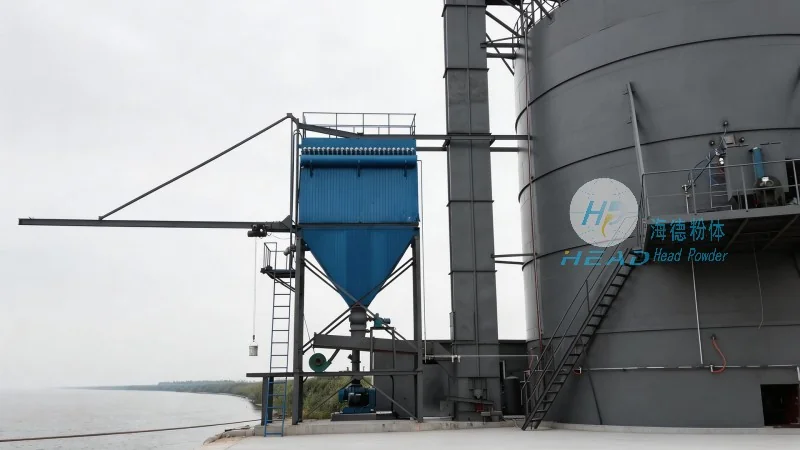
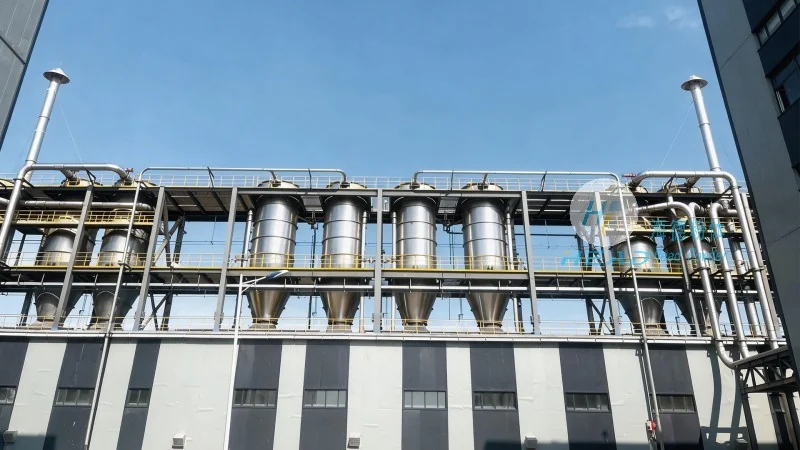
Designing a PVC powder pneumatic conveying system requires careful consideration of safety and environmental factors. PVC powder is a fine, dry material that can create dust hazards if not properly controlled. The system should include dust collection and filtration systems to capture and remove airborne particles, reducing the risk of inhalation and fire hazards. Additionally, the system must be designed to meet local explosion protection standards, particularly in areas where flammable materials are present. Proper grounding and bonding of the equipment, along with the use of explosion-proof components, are critical for ensuring safe operation. These safety measures not only protect personnel but also comply with regulatory requirements, ensuring the system’s long-term viability.
Conclusion
Designing a PVC powder pneumatic conveying system involves a comprehensive approach that considers system type, pipeline design, air source selection, control systems, and safety measures. Each of these elements plays a critical role in ensuring the system operates efficiently, reliably, and safely. HeadPowder Engineering, with its expertise and commitment to quality, provides tailored solutions that meet the unique needs of clients. By adhering to these design principles, businesses can achieve optimal performance and minimize operational costs in their PVC powder handling processes.




