Hay powder, a critical feed ingredient in the animal husbandry sector, requires efficient and reliable conveying methods to ensure smooth processing and storage. The selection of a conveying system significantly impacts operational efficiency, material handling costs, and overall system performance. This article explores the primary types of hay powder conveying methods, detailing their characteristics, applications, and advantages, with insights from Shandong HeadPowder Engineering Co., Ltd., a leading engineering solutions provider for agricultural and feed processing industries based in China.
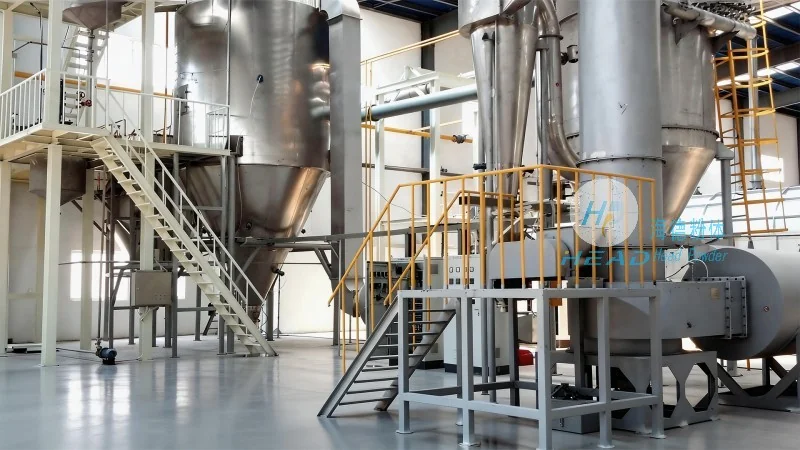
1. Screw Conveyors for Hay Powder Transport
Screw conveyors, also known as auger conveyors, are widely utilized for transporting hay powder due to their simplicity and effectiveness. These systems consist of a rotating helical screw inside a U-shaped or cylindrical housing. As the screw rotates, it pushes the material forward along the conveyor path. Screw conveyors are particularly suitable for handling bulk materials with moderate to high bulk density, such as hay powder, and can operate in both horizontal and inclined configurations. The design allows for gentle material handling, minimizing product degradation and dust generation. This makes screw conveyors an ideal choice for applications where material flow needs to be controlled and directed precisely, such as in feed mills or storage facilities.
2. Pneumatic Conveying Systems for Hay Powder
Pneumatic conveying systems utilize air or gas to transport hay powder through a pipeline network. These systems can be categorized into two main types: pressure and vacuum systems. In pressure systems, compressed air is used to push the material forward, while vacuum systems use suction to draw the material into the pipeline. Pneumatic conveyors offer advantages such as enclosed material handling, which reduces dust exposure and improves workplace safety. They are also highly flexible, allowing for complex routing and integration with other processing equipment. However, they require careful design to manage air pressure and flow rates, ensuring efficient material transport without excessive energy consumption. Pneumatic systems are commonly used in applications where long-distance transport or multiple destinations are required, such as in large-scale feed production facilities.
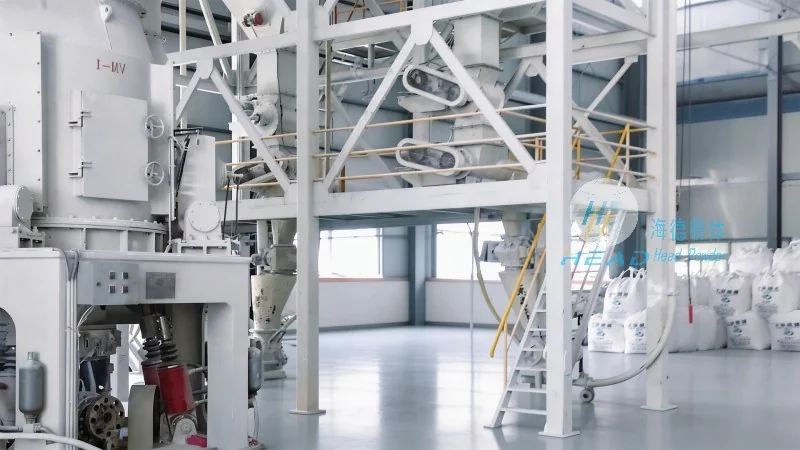
3. Belt Conveyors for Bulk Hay Powder Handling
Belt conveyors are another common method for conveying hay powder, especially in scenarios involving large volumes and long distances. These systems consist of a continuous belt that moves over rollers or pulleys, transporting the material from one point to another. Belt conveyors are known for their high capacity and ability to handle a wide range of material types, including hay powder with varying moisture content and particle sizes. They are particularly effective in outdoor or open-air environments, where other systems might be less suitable. The design allows for easy integration with other equipment, such as feed mixers or storage silos, enhancing overall system efficiency. Belt conveyors are often preferred in applications where continuous, unattended operation is required, such as in large feed mills or agricultural processing plants.
4. Bucket Elevators for Vertical Hay Powder Transport
Bucket elevators are specialized conveyors designed for vertical transport of hay powder, making them essential in systems where material needs to be lifted to elevated levels, such as in silos or storage towers. These systems consist of a continuous chain with attached buckets that move vertically within a casing. As the chain rotates, the buckets scoop up the material at the bottom and discharge it at the top. Bucket elevators are capable of handling high material loads and can operate at significant heights, up to several meters or more. They are particularly effective in applications where space is limited and vertical transport is necessary, such as in feed processing plants or agricultural storage facilities. The enclosed design of bucket elevators helps minimize dust and spillage, contributing to a cleaner and safer working environment.
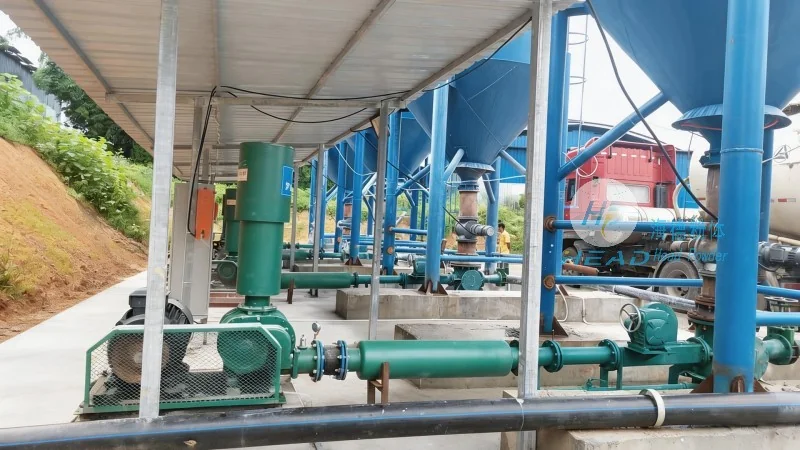
5. Hydraulic Conveying Systems for Hay Powder
Hydraulic conveying systems use liquid as the medium to transport hay powder through a pipeline. This method is less common compared to pneumatic or mechanical systems but offers unique advantages in certain applications. Hydraulic systems can handle materials with high moisture content or sticky properties, which might be challenging for other methods. The liquid medium provides a smooth flow, reducing friction and wear on the conveying components. However, hydraulic systems require additional equipment for liquid management and may have higher maintenance costs compared to other options. They are typically used in specialized applications, such as in the transport of wet hay powder or in systems where precise control over material flow is critical.
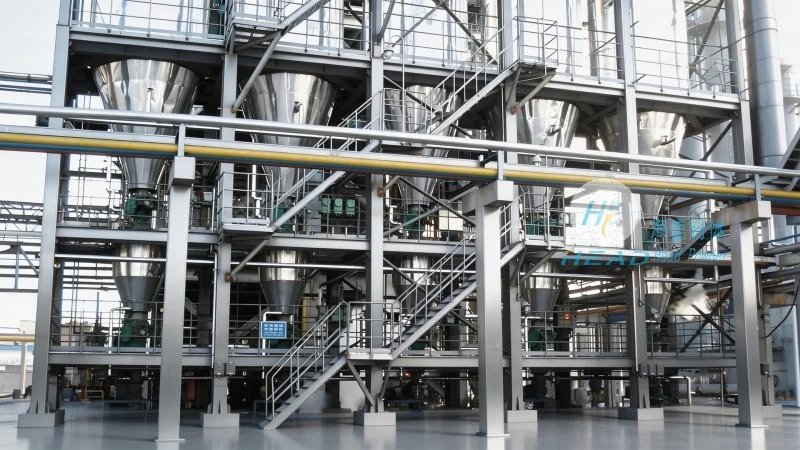
6. Combination Conveying Systems for Advanced Hay Powder Handling
In many industrial settings, a single conveying method may not be sufficient to meet all operational requirements. Combination conveying systems integrate multiple technologies to achieve optimal performance. For example, a system might combine a screw conveyor for initial material transport with a pneumatic conveyor for long-distance distribution. This approach allows for flexibility and efficiency, adapting to varying production demands and material characteristics. Combination systems are commonly used in large-scale feed production facilities where multiple processing stages and destinations are involved. They enable seamless material flow from storage to processing and distribution, enhancing overall system productivity and reducing downtime.
When selecting a hay powder conveying method, it is essential to consider factors such as material properties, system capacity, operational environment, and cost. Each method has its strengths and limitations, and the optimal choice depends on the specific application and operational goals. By understanding the characteristics of different conveying systems, businesses can make informed decisions that improve efficiency, reduce costs, and ensure the reliable handling of hay powder.




