When it comes to efficiently transporting soybeans, the choice of pneumatic conveying system plays a crucial role in optimizing production processes and ensuring product integrity. At HeadPowder, we specialize in advanced pneumatic conveying solutions tailored for soybean handling, offering both vacuum and positive pressure systems that cater to diverse operational needs. This article delves into the technical nuances, applications, and benefits of these two primary pneumatic conveying methods for soybean transport.
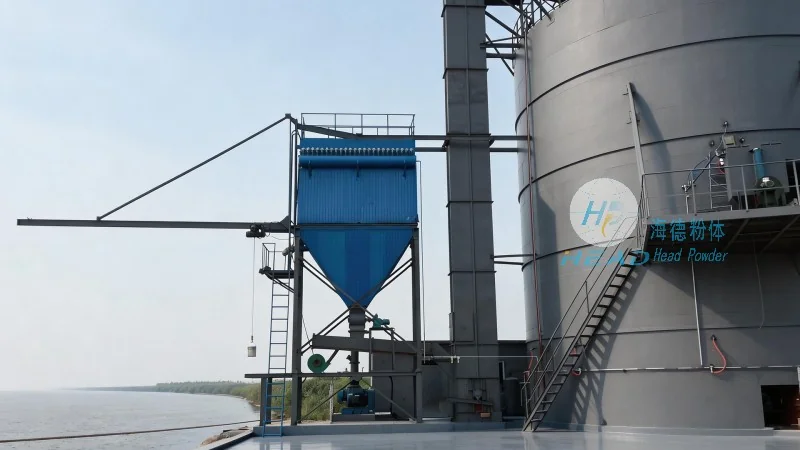
Understanding Vacuum Pneumatic Conveying for Soybeans
Vacuum pneumatic conveying systems utilize a negative pressure environment to draw soybeans from the source to the destination. This method is particularly effective for applications where the material needs to be transported over short to medium distances, often from storage silos or processing units to processing lines. The vacuum system operates by creating a pressure differential; the conveying air is drawn through the material, carrying it along the pipeline. A key advantage of vacuum conveying is its ability to handle fine or dusty materials without causing excessive wear on equipment. For soybeans, this means maintaining the quality of the product while ensuring efficient transport. The system typically includes a suction unit, a filter to separate the material from the air, and a discharge mechanism. The design of the pipeline and the velocity of the air are critical factors in determining the efficiency and capacity of the vacuum system. At HeadPowder, our vacuum conveying solutions are engineered to handle the specific characteristics of soybeans, such as their density and moisture content, ensuring optimal performance and minimal product degradation.
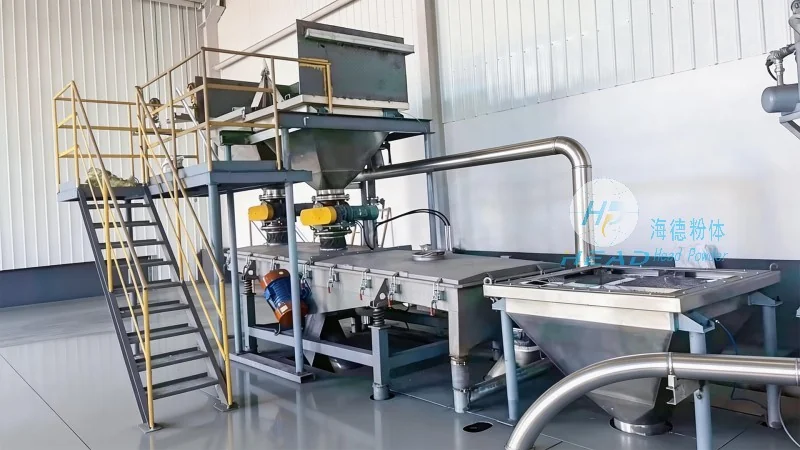
Exploring Positive Pressure Pneumatic Conveying for Soybeans
Positive pressure pneumatic conveying, on the other hand, uses a positive pressure to push the material through the pipeline. This method is ideal for longer distance transport, often from field storage or bulk handling facilities to processing plants. The system operates by blowing air into the material, creating a pressure that propels the soybeans forward. Positive pressure systems are generally more robust and can handle larger volumes of material compared to vacuum systems. They are also less prone to clogging, making them suitable for handling soybeans with higher moisture content or those that may contain foreign objects. The components of a positive pressure system include a blower, a material feeder, and a pipeline network. The selection of the blower's capacity and the pipeline's diameter are essential for achieving the desired conveying rate. HeadPowder's positive pressure solutions are designed to provide high reliability and efficiency, ensuring that soybean transport is carried out smoothly and without interruption.
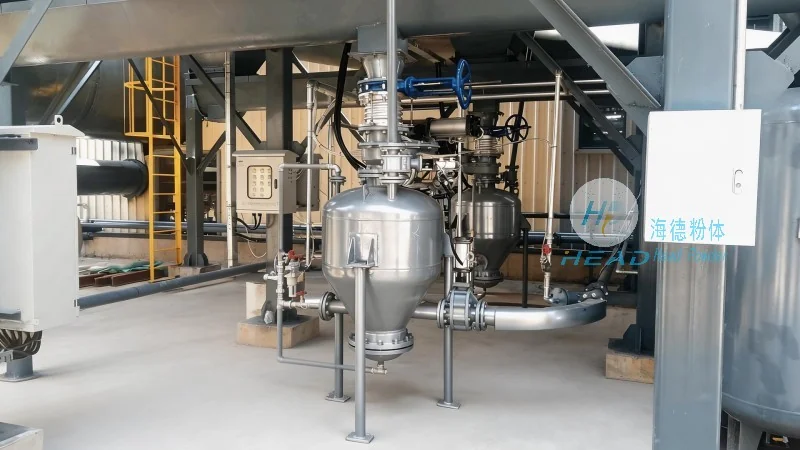
Comparative Analysis: Vacuum vs. Positive Pressure Conveying
When deciding between vacuum and positive pressure pneumatic conveying for soybean transport, several factors need to be considered. The primary difference lies in the direction of material movement and the pressure differential used. Vacuum systems draw material, which can be advantageous for handling materials that are sensitive to pressure changes or for short-distance transport where the system can be placed closer to the source. Positive pressure systems push material, making them suitable for longer distances and higher throughput. Another critical factor is the material's characteristics. Vacuum systems are better suited for fine or dusty materials, while positive pressure systems can handle bulkier or more abrasive materials. The cost of installation and maintenance also differs; vacuum systems may require more complex filtration, while positive pressure systems might need more robust blower units. At HeadPowder, we provide comprehensive analysis and consultation to help clients choose the most appropriate system based on their specific operational requirements, ensuring that the chosen solution maximizes efficiency and minimizes operational costs.
Applications of Pneumatic Conveying in Soybean Processing
Pneumatic conveying systems are widely used in various stages of soybean processing. From raw material handling to intermediate processing steps, these systems ensure that soybeans are transported efficiently and safely. In storage facilities, vacuum conveying is often used to transfer soybeans from silos to processing lines, maintaining the product's quality and preventing contamination. During processing, positive pressure systems may be employed to move soybeans from grinding or extrusion units to packaging areas. The flexibility of pneumatic conveying allows for integration into existing processing lines, reducing the need for extensive modifications. HeadPowder's expertise in customizing pneumatic conveying solutions enables us to address the unique challenges of soybean processing, such as maintaining product temperature, preventing moisture loss, and ensuring consistent flow rates. Our systems are designed to meet the specific demands of each processing stage, from raw material intake to final product packaging.
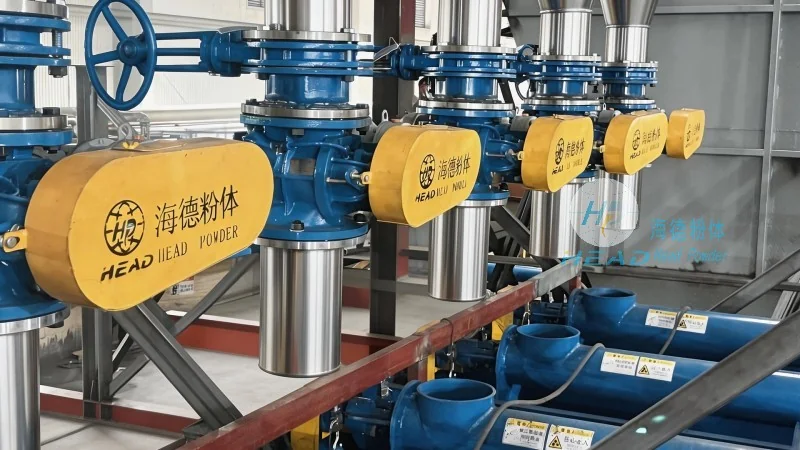
Benefits of Choosing HeadPowder's Pneumatic Conveying Solutions
Partnering with HeadPowder for pneumatic conveying technology offers numerous benefits for soybean handling operations. Our expertise in both vacuum and positive pressure systems ensures that we can provide tailored solutions that meet the specific needs of our clients. We leverage advanced engineering and material science to design systems that are efficient, reliable, and cost-effective. The use of high-quality components and rigorous testing ensures that our systems operate with minimal downtime and maintenance. Additionally, our commitment to sustainability is reflected in the energy-efficient designs of our pneumatic conveying solutions, which help reduce operational costs and environmental impact. HeadPowder's team of experienced engineers provides comprehensive support, from system design and installation to ongoing maintenance and troubleshooting. This comprehensive approach ensures that clients not only get a high-performance pneumatic conveying system but also a reliable partner for their long-term operational needs.




