Carbon black powder, a critical component in various industrial applications, requires efficient and reliable handling systems to ensure optimal performance and safety. The design of a pneumatic conveying system for carbon black powder is a specialized field that addresses the unique challenges associated with this material. This article provides an overview of the key considerations and components involved in the design of such a system, tailored for the needs of industrial users.
Company Overview and Expertise
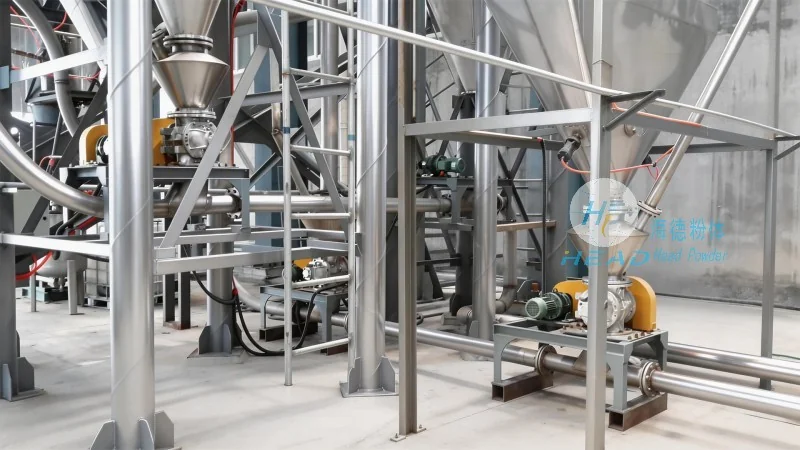
HeadPowder, a leading engineering company based in Shandong, China, specializes in the design and manufacturing of advanced pneumatic conveying solutions. With years of experience in the industry, HeadPowder has developed a deep understanding of the requirements for handling carbon black powder, ensuring that their systems are tailored to meet the specific needs of clients. The company's commitment to quality and innovation has established it as a trusted partner for businesses seeking reliable material handling solutions.
Key Design Considerations for Carbon Black Powder Pneumatic Conveying
The design of a carbon black powder pneumatic conveying system involves several critical factors that must be carefully evaluated to ensure efficiency and safety. One of the primary considerations is the material's properties, such as its density, particle size distribution, and flow characteristics. Carbon black powder is often fine and can be prone to dust accumulation, which requires specialized equipment to prevent blockages and maintain consistent flow. The system design must also account for the pressure and velocity requirements to achieve effective transport without causing excessive wear on components.
Components of a Pneumatic Conveying System for Carbon Black Powder
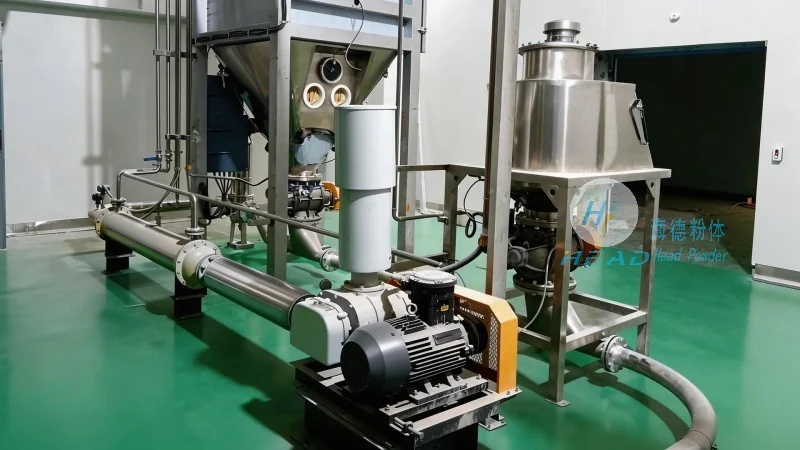
A typical carbon black powder pneumatic conveying system consists of several key components, each playing a vital role in the overall operation. The system typically includes a hopper or feeder to store and meter the powder, a conveying line (either positive or negative pressure), and a receiver or discharge unit. The feeder is designed to control the flow rate of the carbon black powder, ensuring a consistent feed to the conveying line. The conveying line may use either positive pressure (where air is blown into the line to push the material) or negative pressure (where air is drawn out to pull the material). For carbon black powder, positive pressure systems are often preferred due to their ability to handle fine particles and prevent dust emissions.
Advantages of Using a Pneumatic Conveying System for Carbon Black Powder
Implementing a pneumatic conveying system for carbon black powder offers numerous advantages over traditional methods like bulk handling or manual transport. One of the main benefits is the ability to handle the material in a closed system, which significantly reduces dust emissions and improves workplace safety. This is particularly important for carbon black powder, which can be hazardous if inhaled. Additionally, pneumatic conveying systems can achieve high transport rates with minimal maintenance, leading to increased productivity and cost savings over time. The closed system also helps maintain the purity of the carbon black powder, preventing contamination from external sources.
Customization and Integration for Specific Applications
HeadPowder recognizes that each industrial application has unique requirements, and therefore, offers customized pneumatic conveying solutions tailored to specific needs. The company works closely with clients to understand their operational parameters, such as the volume of carbon black powder to be transported, the distance of the conveying line, and the desired discharge location. Based on this information, HeadPowder designs a system that optimizes performance while minimizing energy consumption and operational costs. The systems can be integrated with existing facilities or designed as standalone units, providing flexibility for various industrial settings.
Maintenance and Operational Considerations
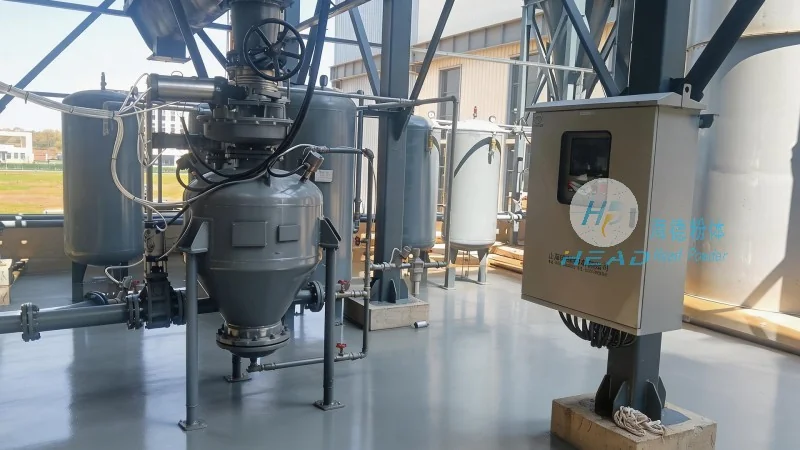
Proper maintenance is crucial to ensure the longevity and efficiency of a carbon black powder pneumatic conveying system. Regular inspections of components such as the feeder, conveying line, and receiver are necessary to detect and address any issues before they lead to system failure. HeadPowder provides guidance on maintenance procedures and recommends routine checks to ensure optimal performance. Additionally, the system's operational parameters, such as pressure and flow rates, should be monitored regularly to maintain consistent performance. Proper training of operators on the system's operation and maintenance is also essential to prevent accidents and ensure safety.
Conclusion
The design of a carbon black powder pneumatic conveying system is a complex process that requires careful consideration of material properties, system components, and operational requirements. HeadPowder, with its expertise and commitment to quality, provides reliable and efficient solutions for handling carbon black powder. By leveraging advanced engineering and customization, HeadPowder ensures that their systems meet the specific needs of clients, enhancing productivity and safety in industrial applications. For businesses seeking a dependable pneumatic conveying solution for carbon black powder, HeadPowder stands as a trusted partner in providing innovative and effective solutions.




