HeadPowder, a leading engineering firm based in Shandong, China, specializes in the design and development of advanced pneumatic conveying systems for mineral particles. These systems are engineered to efficiently transport bulk materials like ores, powders, and granules over long distances with minimal operational challenges. The design of such equipment is critical for optimizing material handling processes in various industrial applications, ensuring reliability, efficiency, and cost-effectiveness.
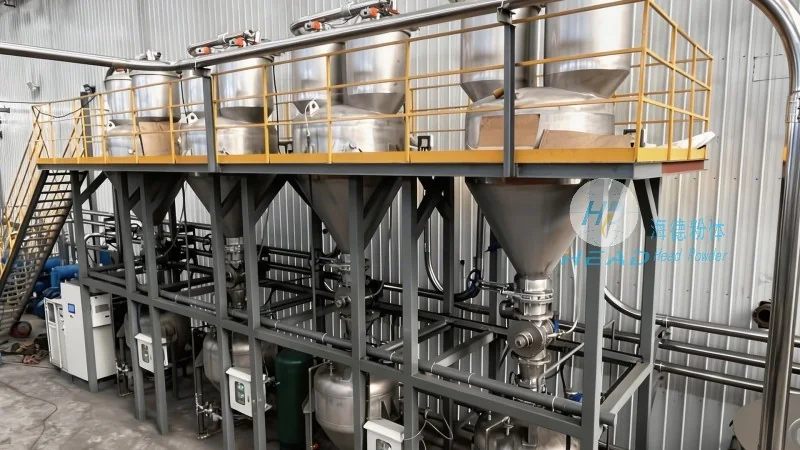
Key Design Considerations for Pneumatic Conveying Systems
The design of mineral particle pneumatic conveying equipment involves several key considerations to ensure optimal performance. First, the selection of the appropriate conveying method—whether it's dilute phase or dense phase—depends on the material characteristics, such as particle size, moisture content, and flowability. For fine powders, dilute phase systems are often preferred due to their ability to handle high volumes with lower pressure drops. In contrast, dense phase systems are suitable for abrasive or sensitive materials that require gentle handling to prevent degradation. Additionally, the system's layout, including the number and placement of feeders, cyclones, and silos, is carefully planned to minimize pressure losses and maximize material throughput. The choice of materials for components like pipes, valves, and filters is also crucial, as they must withstand the corrosive or abrasive nature of mineral particles and maintain long-term durability.
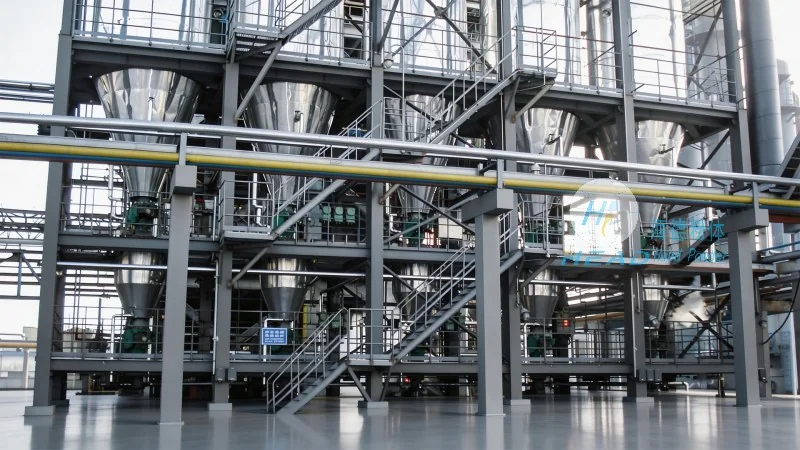
Components and Functionalities of the Conveying System
The mineral particle pneumatic conveying system typically consists of several key components that work in tandem to achieve efficient material transport. The primary components include a blower or compressor to generate the necessary air flow, a feeder to introduce the material into the system, a pipeline network to transport the material, and a separator or cyclone to separate the material from the air stream. The blower is responsible for creating the pressure or vacuum required to move the particles, with options ranging from positive displacement blowers to centrifugal fans, depending on the system's requirements. The feeder, often a rotary valve or a screw feeder, ensures a consistent and controlled flow of material into the pipeline, preventing blockages and maintaining system stability. The pipeline network is designed with appropriate diameters and bends to minimize pressure losses and maintain the material's velocity, which is critical for preventing deposition. The separator, typically a cyclone or a baghouse, separates the mineral particles from the air, allowing the air to be recirculated or discharged while the material is collected in a hopper or silo. Each component is engineered to work together seamlessly, ensuring the system operates reliably and efficiently under varying operating conditions.
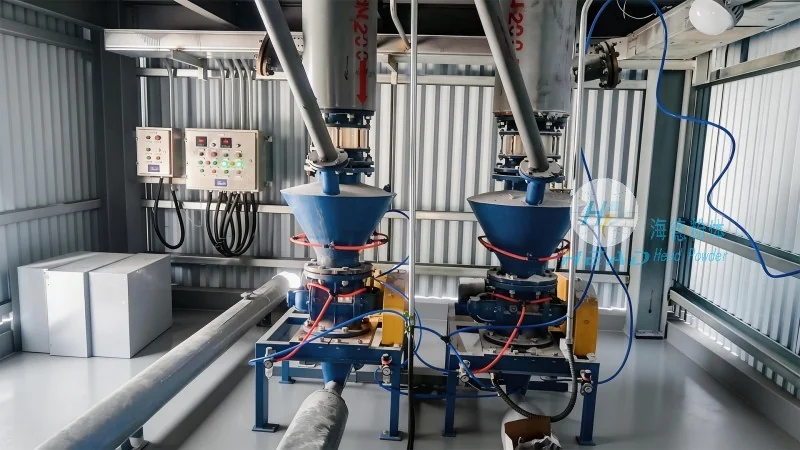
Advantages of Pneumatic Conveying for Mineral Processing
Implementing a pneumatic conveying system for mineral particles offers several advantages over traditional mechanical conveying methods. One of the primary benefits is the ability to transport materials over long distances without the need for intermediate storage or transfer points, which reduces the risk of material degradation and contamination. The system also minimizes the need for manual handling, improving workplace safety and reducing labor costs. Additionally, pneumatic conveying systems can handle a wide range of material types, including fine powders, coarse granules, and even sticky or adhesive materials, which are difficult to transport using mechanical methods. The flexibility of the system allows for easy integration with existing processing lines, enabling seamless material flow from mining operations to processing facilities. Furthermore, the system's ability to operate under vacuum or pressure conditions provides versatility in material handling, making it suitable for both upstream and downstream processes in mineral processing plants. The overall efficiency of the system, measured by its ability to transport material with minimal energy consumption and maintenance, contributes to lower operational costs and higher productivity.
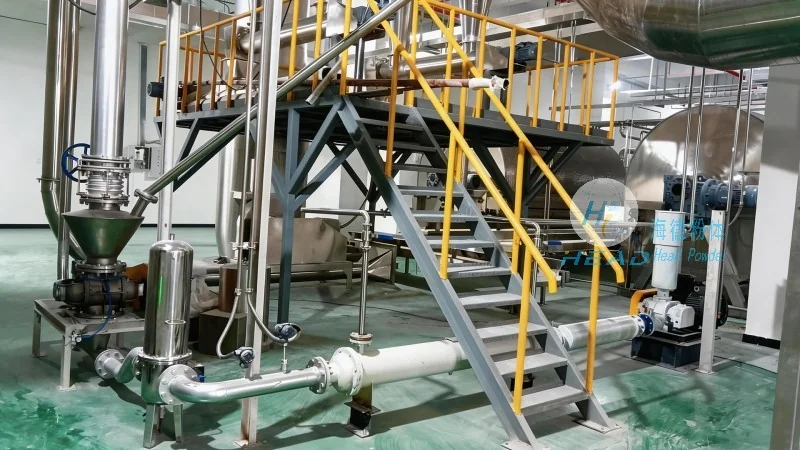
Customization and Application Scope
HeadPowder offers customized pneumatic conveying solutions tailored to the specific needs of each client. The company's engineers work closely with clients to understand their material characteristics, operational requirements, and budget constraints to design a system that meets their unique needs. The customization process includes detailed calculations of material flow rates, pressure drops, and air consumption to ensure the system operates within optimal parameters. The company's solutions are applicable across various industries, including mining, cement, chemical, and food processing, where mineral particles are commonly handled. For example, in mining operations, the system can transport ore from the mine to processing plants, while in cement production, it can convey raw materials like limestone and clay to the kilns. The versatility of the system allows it to be adapted to different scales, from small-scale laboratory applications to large-scale industrial plants, ensuring that clients receive a solution that is both effective and cost-efficient.




