Phenolic resin, a crucial material in various industrial applications, often requires efficient and reliable transportation methods. Pneumatic conveying is a widely adopted technique for handling such materials, offering advantages in terms of safety, cleanliness, and process integration. However, the choice between negative pressure (suction) and positive pressure (blowing) systems significantly impacts operational efficiency, cost, and equipment maintenance. This article provides a detailed comparison of the advantages and disadvantages of negative pressure and positive pressure pneumatic conveying for phenolic resin, helping industry professionals make informed decisions based on their specific needs.
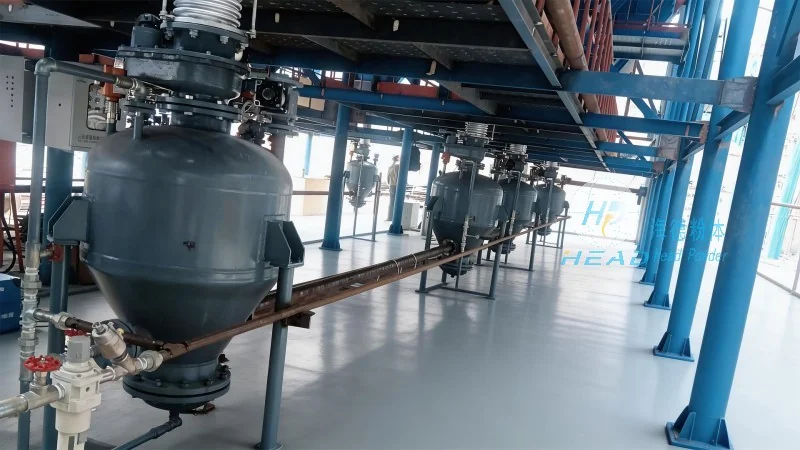
Introduction to Pneumatic Conveying for Phenolic Resin
Phenolic resin, known for its excellent electrical insulation properties and high-temperature resistance, is used in applications ranging from adhesives and coatings to composite materials. The handling of phenolic resin powders or granules demands systems that can maintain material integrity while ensuring minimal contamination and dust exposure. Pneumatic conveying systems achieve this by transporting the material in a stream of air, either by creating a vacuum (negative pressure) or by blowing air into the material stream (positive pressure).
Negative Pressure (Suction) Pneumatic Conveying
Negative pressure systems, also known as suction conveyors, operate by creating a low-pressure environment at the material inlet, drawing the resin into the system. This method is particularly effective for handling fine powders and can minimize product degradation due to less friction and impact compared to positive pressure systems. One of the key advantages of negative pressure conveying is its ability to handle materials that are sensitive to high air velocities or pressure differentials. The system typically uses a vacuum pump to maintain the pressure differential, and the material is drawn from the source into the conveying line.
However, negative pressure systems have several drawbacks. The primary limitation is the maximum conveying distance and material capacity, as the vacuum can only effectively pull material over shorter distances. This restricts the application in large-scale industrial setups where long-distance transport is required. Additionally, the system is more susceptible to air leaks and blockages, which can lead to operational inefficiencies and increased maintenance costs. The equipment, including the vacuum pump and receiver, is also generally more complex and expensive to install and maintain compared to positive pressure systems.
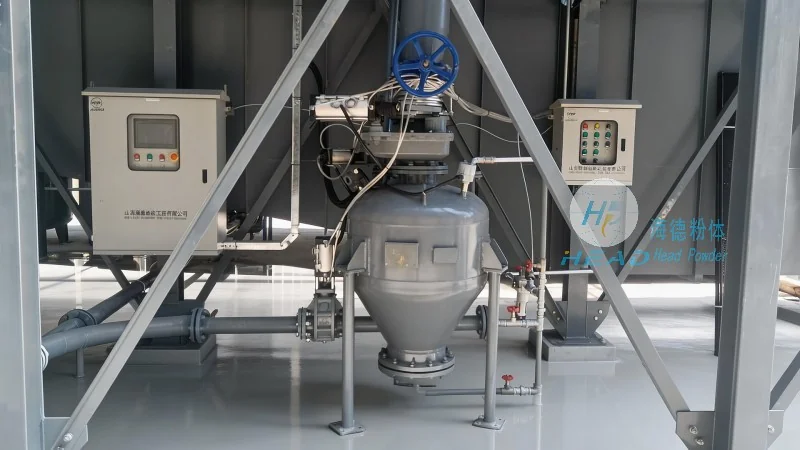
Positive Pressure (Blowing) Pneumatic Conveying
Positive pressure systems, or blowing conveyors, operate by forcing air through the material, pushing it along the conveying line. This method is suitable for longer distances and larger material volumes, making it ideal for large-scale industrial operations. The high air velocity in positive pressure systems can effectively transport a wide range of materials, including coarse powders and granules, with minimal degradation. A significant advantage of positive pressure conveying is its ability to handle longer conveying distances and higher material throughput, which is essential for industrial-scale production lines.
Nevertheless, positive pressure systems have their own set of disadvantages. The high air velocity can lead to increased wear and tear on the conveying line and equipment, particularly for abrasive materials like phenolic resin. This results in higher maintenance and replacement costs over time. Additionally, positive pressure systems generate more dust and require effective dust collection and filtration systems to comply with environmental regulations. The initial investment for positive pressure systems is also higher due to the need for robust air compressors and larger conveying lines.
Comparison of Negative Pressure vs. Positive Pressure Conveying for Phenolic Resin
When comparing negative and positive pressure pneumatic conveying for phenolic resin, several factors must be considered. The choice depends on the specific application requirements, such as the distance to be covered, the material characteristics (e.g., particle size, moisture content), and the desired throughput. For short-distance transport of fine phenolic resin powders, negative pressure systems may be more suitable due to their gentler handling and lower equipment complexity. Conversely, for long-distance or high-volume transport of granular phenolic resin, positive pressure systems offer superior performance and capacity.
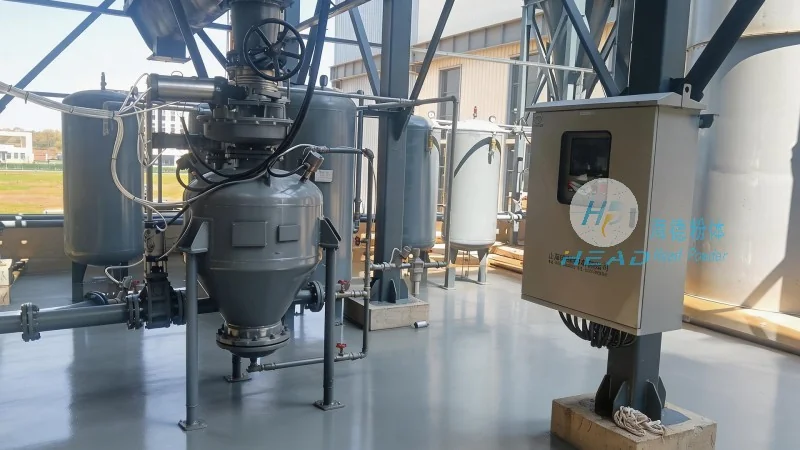
Cost is another critical factor. Negative pressure systems generally have lower initial costs and maintenance expenses, making them attractive for smaller-scale operations or applications with limited budget constraints. Positive pressure systems, while more expensive upfront, may be more cost-effective in the long run for large-scale operations due to their higher throughput and longer service life of components when properly maintained.
Environmental considerations also play a role. Negative pressure systems are less likely to generate dust clouds, reducing the risk of airborne contamination and improving workplace safety. Positive pressure systems, however, require more robust dust collection systems to mitigate the dust emissions, which can increase operational costs and complexity.
Conclusion
Both negative pressure and positive pressure pneumatic conveying systems offer viable solutions for phenolic resin handling, each with distinct advantages and disadvantages. The optimal choice depends on the specific operational parameters, material characteristics, and budget constraints of the application. By carefully evaluating the conveying distance, material properties, and cost implications, industry professionals can select the most suitable system to ensure efficient, safe, and cost-effective phenolic resin transportation. For companies seeking reliable pneumatic conveying solutions, Shandong HeadPowder Engineering Co., Ltd., located in China, provides expert consultation and customized systems tailored to meet diverse industrial needs.




