HeadPowder, a leading engineering firm based in Shandong, China, specializes in advanced material handling solutions, particularly focusing on the efficient transportation of gypsum powder and fly ash through pneumatic conveying systems. This article explores the critical role of pneumatic conveying technology in optimizing the handling processes for these materials, highlighting the technical advantages and practical applications that make it an indispensable solution for modern industrial operations.
Understanding Pneumatic Conveying Systems for Gypsum and Fly Ash
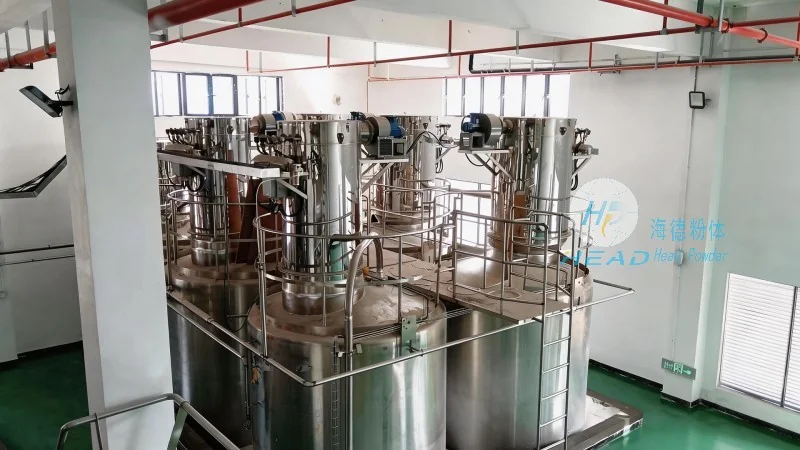
Pneumatic conveying, also known as air conveying, is a method of transporting bulk materials by using a stream of pressurized or vacuum air. In the context of gypsum powder and fly ash, this technology offers a highly effective means of moving these fine, often dusty materials from one location to another without the need for mechanical components like belts or buckets. The system typically consists of a hopper, a conveyor line, and a receiver, all connected by a pipeline. The material is fed into the hopper and then drawn or pushed through the pipeline by the air flow, ensuring a smooth and continuous transfer process.
Key Advantages of Pneumatic Conveying for Gypsum Powder and Fly Ash
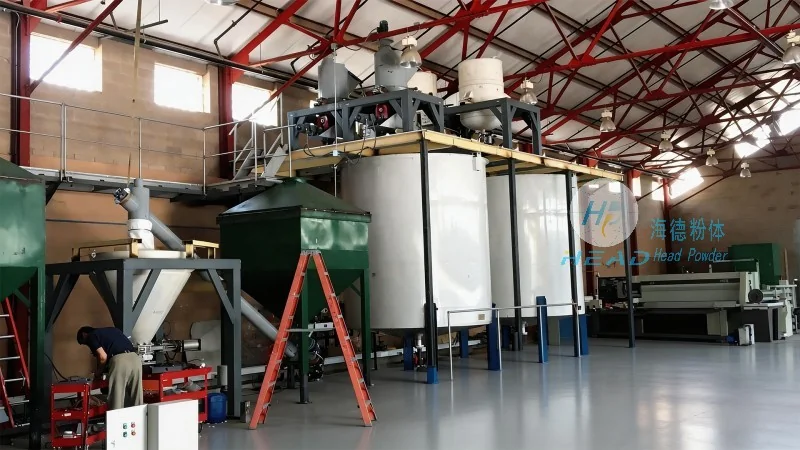
One of the primary benefits of pneumatic conveying for gypsum powder and fly ash is its ability to handle materials with high moisture content or those that are prone to caking. Unlike traditional mechanical systems, which may struggle with these characteristics, pneumatic systems can maintain consistent flow rates and prevent material buildup. Additionally, this method reduces the risk of contamination and cross-contamination, as the materials are contained within a sealed pipeline. The system also minimizes dust exposure, enhancing workplace safety and compliance with environmental regulations. From a operational standpoint, pneumatic conveying offers flexibility in terms of layout and integration with existing facilities, allowing for easy adaptation to changing production needs.
Technical Specifications and Application Scenarios
HeadPowder's pneumatic conveying solutions are designed to meet the specific requirements of gypsum powder and fly ash handling. The systems can be configured as pressure or vacuum systems, depending on the distance and material characteristics. For example, pressure systems are ideal for short to medium distances, while vacuum systems are suitable for longer distances or when the material needs to be drawn from multiple sources. The conveying velocity and pipeline diameter are carefully selected to ensure efficient transport without excessive energy consumption. In industrial applications, such as in cement plants, power stations, and construction material manufacturers, these systems are used to transport raw materials to processing units, or to move finished products to storage and packaging areas. The adaptability of the system allows it to integrate seamlessly with various production lines, improving overall efficiency and reducing downtime.
Integration with HeadPowder's Engineering Solutions
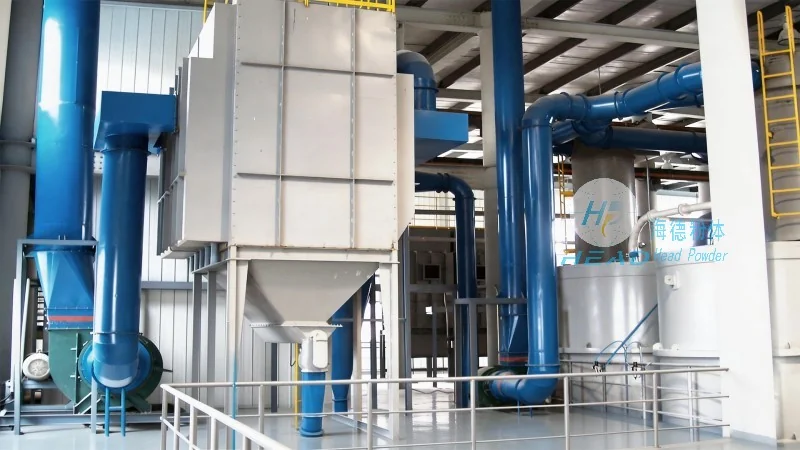
HeadPowder Engineering Co., Ltd., based in Shandong, China, provides comprehensive engineering services for the design, installation, and maintenance of pneumatic conveying systems tailored to the needs of gypsum and fly ash handling. The company's expertise lies in customizing systems to ensure optimal performance, reliability, and cost-effectiveness. From initial consultation and feasibility studies to on-site installation and commissioning, HeadPowder's team of engineers and technicians work closely with clients to develop solutions that address specific challenges, such as material variability, space constraints, and environmental considerations. The company also offers after-sales support, including regular maintenance and troubleshooting services, to ensure the long-term operation of the conveying systems. By leveraging advanced technology and a deep understanding of material handling principles, HeadPowder delivers solutions that enhance productivity and reduce operational costs for its clients.




