

The Role of Pneumatic Conveying in Organic Fertilizer Granule Transport
Pneumatic conveying has emerged as a critical technology in the efficient and reliable transport of organic fertilizer granules. This method leverages air pressure to move bulk materials through a pipeline system, offering significant advantages over traditional mechanical conveying methods. The process involves creating a flow of air that propels the granules through the system, ensuring minimal product degradation and reduced maintenance requirements. For agricultural and fertilizer industries, the ability to handle organic materials like compost, manure, and bio-fertilizers with precision is paramount, and pneumatic conveying systems address these needs effectively.
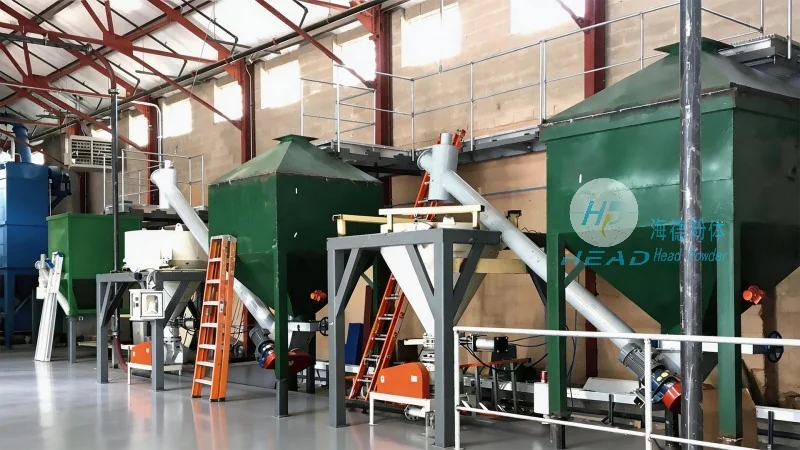
Key Advantages of Pneumatic Conveying in Organic Fertilizer Handling
When applied to organic fertilizer granules, pneumatic conveying systems provide several key benefits. First, they minimize product contamination and degradation, which is crucial for maintaining the nutritional value and quality of organic materials. Unlike mechanical systems that may cause friction or abrasion, pneumatic transport uses air to move materials gently, preserving their integrity. Second, these systems offer high flexibility in layout, allowing for complex and customized pipeline designs that can adapt to various production and storage facilities. This flexibility is particularly valuable in farms and fertilizer plants where space is limited or where the layout requires multiple transfer points. Third, pneumatic conveying reduces labor costs and operational downtime by automating the material handling process. The absence of moving parts in the conveying line minimizes wear and tear, leading to lower maintenance expenses and longer system lifespans. Additionally, the technology enables precise control over material flow rates, ensuring consistent delivery to processing or packaging units.
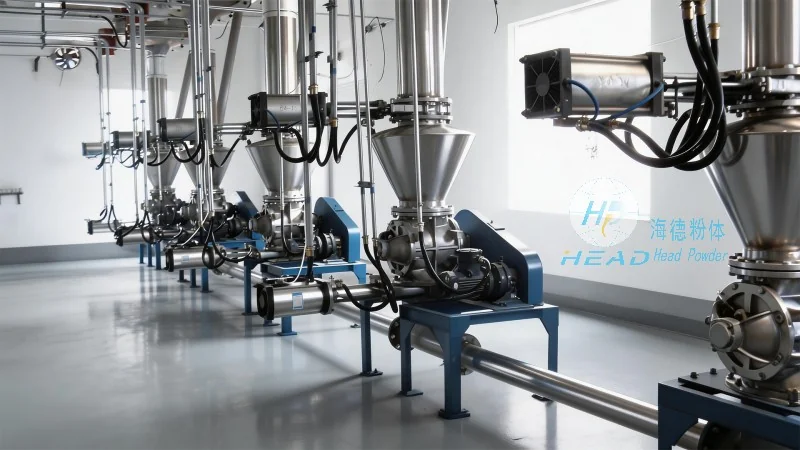
Application Scenarios in Organic Fertilizer Production
In the production of organic fertilizer, pneumatic conveying is widely used across multiple stages. From raw material handling to final product packaging, the technology streamlines operations. For instance, during the composting stage, where organic waste is processed into granules, pneumatic systems can efficiently transport raw materials like manure and agricultural residues from storage silos to the composting reactors. This ensures a steady supply of feedstock without manual handling, which is both labor-intensive and potentially hazardous. In the granulation phase, where organic materials are converted into uniform granules, pneumatic conveying is used to move the granules from the granulation equipment to drying and cooling units. The ability to handle fine and sticky granules without clogging is a significant advantage, as many mechanical conveyors struggle with such materials. Finally, in the packaging and distribution stage, pneumatic systems can transport finished organic fertilizer granules to packaging lines or storage silos, ensuring smooth and continuous operations. This end-to-end integration of pneumatic conveying enhances overall production efficiency and reduces bottlenecks in the manufacturing process.
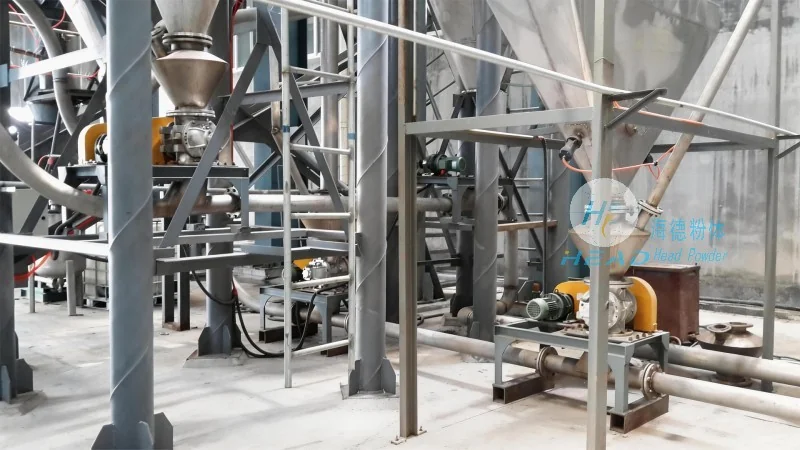
HeadPowder Engineering: Expertise in Pneumatic Conveying Solutions
Shandong HeadPowder Engineering Co., Ltd., a leading provider of engineering solutions for material handling, specializes in designing and manufacturing pneumatic conveying systems tailored to the needs of the organic fertilizer industry. With years of experience in the field, HeadPowder has developed a deep understanding of the unique challenges associated with handling organic materials, such as moisture content, variability in particle size, and the need for hygienic processing. The company’s approach involves a comprehensive consultation process to assess each client’s specific requirements, including production capacity, material characteristics, and facility layout. Based on this assessment, HeadPowder engineers design customized pneumatic conveying systems that optimize performance, energy efficiency, and cost-effectiveness. The company’s solutions often include advanced features like variable frequency drives (VFDs) for energy savings, air filtration systems to maintain product purity, and automated control panels for real-time monitoring and adjustment. By leveraging cutting-edge technology and a commitment to quality, HeadPowder ensures that its clients receive reliable and durable systems that meet the highest industry standards.
Customization and Integration Capabilities
One of the key strengths of HeadPowder Engineering is its ability to customize pneumatic conveying systems to fit the unique needs of each project. The company works closely with clients to understand their operational workflows and integrate the conveying system seamlessly with existing equipment and processes. This integration is critical for maintaining production continuity and minimizing disruptions during system installation or upgrades. For example, HeadPowder can design systems that connect to existing silos, reactors, or packaging lines, ensuring a smooth transition without the need for extensive facility modifications. The company also offers modular components that allow for easy expansion or modification of the system as production needs evolve. This flexibility is particularly valuable for growing businesses in the organic fertilizer sector, as it enables them to scale their operations without incurring significant additional costs. Additionally, HeadPowder provides comprehensive support services, including installation, commissioning, and ongoing maintenance, to ensure that the systems operate at peak performance throughout their lifecycle.
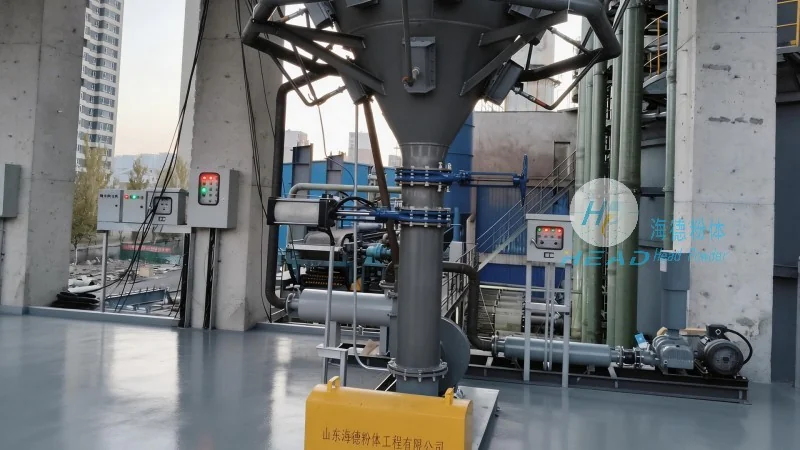
Quality and Reliability in Organic Fertilizer Conveying
Quality and reliability are paramount when handling organic fertilizers, as any system failure can lead to product loss, contamination, or operational delays. HeadPowder Engineering prioritizes these aspects by using high-quality materials and components in the construction of its pneumatic conveying systems. The company’s pipelines and fittings are typically made from corrosion-resistant materials like stainless steel, which are ideal for organic materials that may contain acids or other corrosive substances. This ensures long-term durability and prevents product contamination from metal leaching. The system components, including air compressors, filters, and control valves, are sourced from reputable manufacturers and undergo rigorous testing to meet industry standards. HeadPowder also implements quality control measures throughout the manufacturing process, from material selection to final assembly, to ensure that each system meets the specified performance criteria. The company’s commitment to quality is further demonstrated by its adherence to international standards and certifications, which provide assurance to clients about the reliability and safety of its products. By focusing on quality and reliability, HeadPowder ensures that its clients can rely on their pneumatic conveying systems to deliver consistent performance and maintain the integrity of their organic fertilizer products.