Desulfurization and denitrification agents are essential components in industrial processes aimed at reducing air pollution from power plants and other facilities. The efficient handling and transportation of these agents often rely on pneumatic conveying systems, which provide a reliable method for moving bulk materials through pipelines using air or other gases. This article explores the concept of pneumatic conveying for desulfurization and denitrification agents, outlines the different classifications of such systems, and discusses their practical applications in industrial settings.
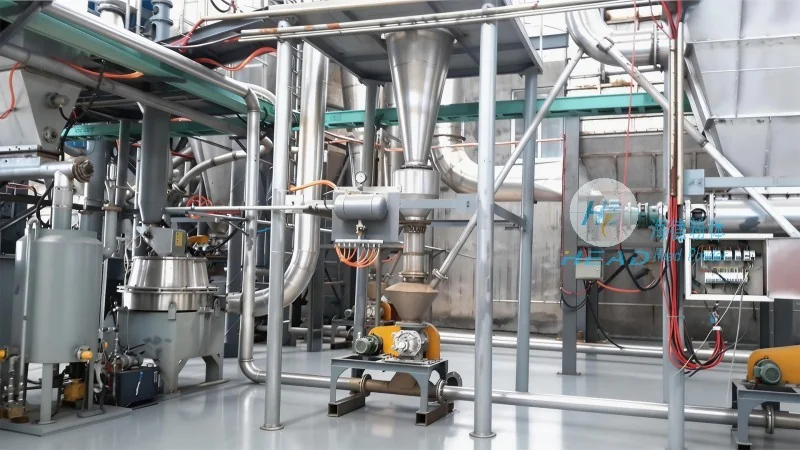
Pneumatic Conveying of Desulfurization and Denitrification Agents: An Overview
Pneumatic conveying involves the transport of solid materials through a pipeline by the force of a moving gas stream. In the context of desulfurization and denitrification agents, these materials typically include limestone, activated carbon, or other reagents used in flue gas treatment processes. The primary objective of using pneumatic conveying is to ensure a consistent and controlled flow of these agents to the treatment equipment, minimizing downtime and optimizing the overall efficiency of the pollution control system.
Classification of Pneumatic Conveying Systems
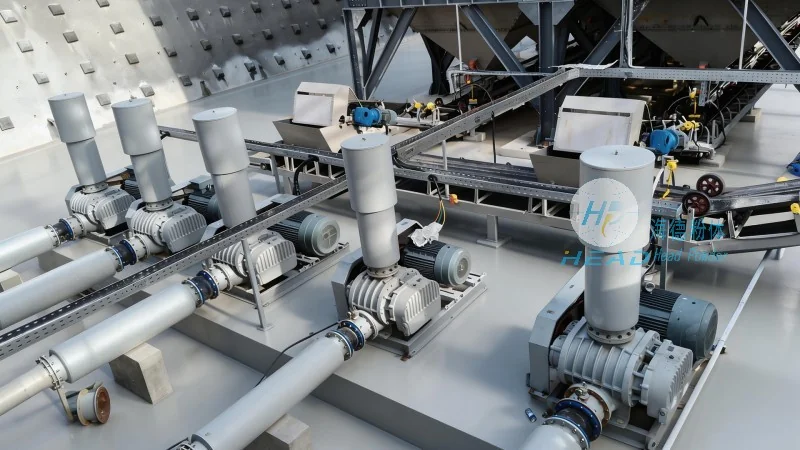
Pneumatic conveying systems can be broadly classified into two main categories: dilute-phase and dense-phase systems. Dilute-phase systems operate at relatively low material concentrations, typically with a gas-to-solid ratio that allows the material to be suspended in the air stream. This type of system is often employed for long-distance or high-velocity conveying, where the material is carried in a fine mist or cloud. Dense-phase systems, conversely, transport material at higher concentrations, with the solid particles moving in a more compact form, often aided by pressure pulses or other control mechanisms.
Applications of Pneumatic Conveying in Desulfurization and Denitrification
The application of pneumatic conveying in desulfurization and denitrification processes is widespread across various industries. In power plants, for example, these systems are used to transport limestone slurry or dry reagents to the scrubbers where sulfur dioxide and nitrogen oxides are removed from flue gases. The ability to handle both dry and wet materials makes pneumatic conveying versatile for different types of desulfurization and denitrification technologies.
Key Considerations for Pneumatic Conveying Systems
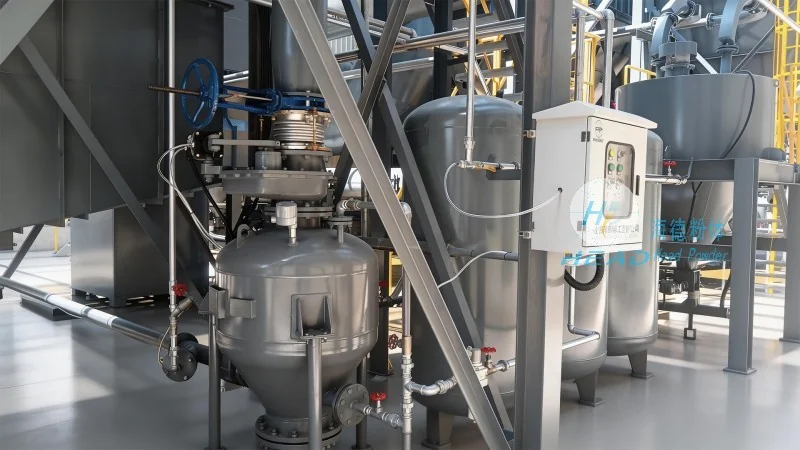
When implementing pneumatic conveying systems for desulfurization and denitrification agents, several factors must be considered to ensure optimal performance. These include the properties of the material being conveyed, such as particle size, moisture content, and abrasiveness, as well as the required conveying distance and flow rate. The choice between dilute-phase and dense-phase systems depends on these factors, as well as the specific requirements of the industrial application.
Conclusion
Pneumatic conveying is a vital technology for the efficient handling and transportation of desulfurization and denitrification agents. By understanding the different classifications and applications of these systems, industrial facilities can select the most appropriate solution to meet their pollution control needs. As a leading provider in this field, Shandong HeadPowder Engineering Co., Ltd. specializes in designing and manufacturing pneumatic conveying systems tailored to the unique requirements of desulfurization and denitrification processes, ensuring reliable and effective operation in reducing air pollution.




