

What Comprises Micronized Powder Pneumatic Conveying
Micronized powder pneumatic conveying is a specialized method used in industrial applications to transport fine powders through a system driven by air or other gases. The process involves several key components that work together to ensure efficient and reliable material handling. Understanding these components is crucial for optimizing performance and maintaining system integrity.
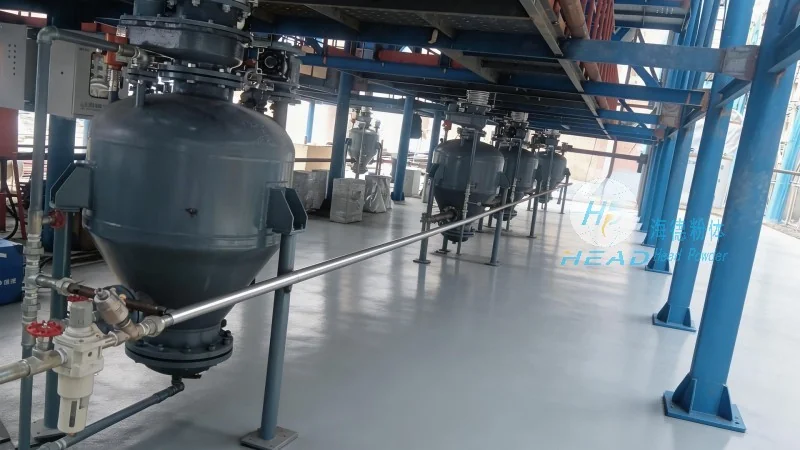
Core Components of the Pneumatic Conveying System
The fundamental elements of a micronized powder pneumatic conveying system typically include the material feed unit, the conveying line, and the discharge mechanism. Each component plays a vital role in the overall operation. The material feed unit is responsible for introducing the powder into the system, often using a hopper or a feeder that can control the flow rate. This ensures a consistent supply of material without blockages or overloading the system. The conveying line, which may consist of pipes or ducts, is designed to transport the powder particles through the system under pressure. The choice of material for the conveying line is critical, as it must withstand the abrasive nature of micronized powders and resist corrosion or wear. Common materials include stainless steel, polyethylene, or specialized coatings that enhance durability.
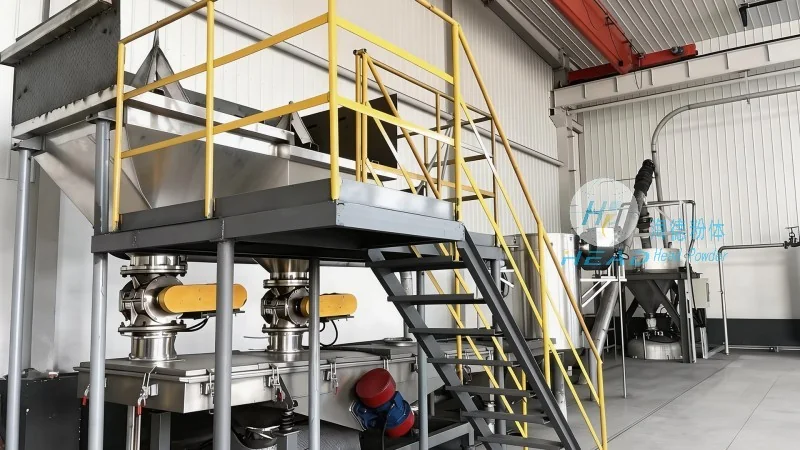
Key Equipment and Accessories
Beyond the basic components, several specialized equipment and accessories are essential for the effective operation of micronized powder pneumatic conveying. These include air compressors or blowers that generate the necessary pressure to move the powder. The air compressor must be capable of delivering sufficient airflow and pressure to handle the specific characteristics of the powder, such as particle size, density, and moisture content. Additionally, filters and separators are used to remove any entrained air or fine particles from the system, preventing contamination and ensuring the purity of the conveyed material. These components are typically integrated into the system to maintain efficiency and reduce maintenance requirements.
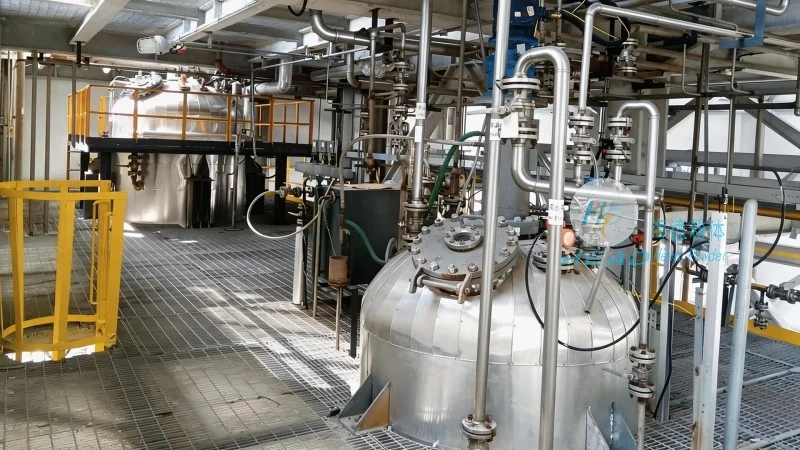
Material Handling and Process Integration
The micronized powder pneumatic conveying system is often integrated into larger industrial processes, such as manufacturing or processing lines. The system must be designed to interface with other equipment, such as mixers, reactors, or packaging units, to ensure seamless material flow. This integration requires careful consideration of the system's capacity, pressure, and flow characteristics to match the requirements of the downstream processes. For example, in pharmaceutical or food processing applications, the system must meet stringent hygiene and safety standards, which may involve additional components like sanitary fittings, cleaning-in-place (CIP) systems, or explosion-proof designs.
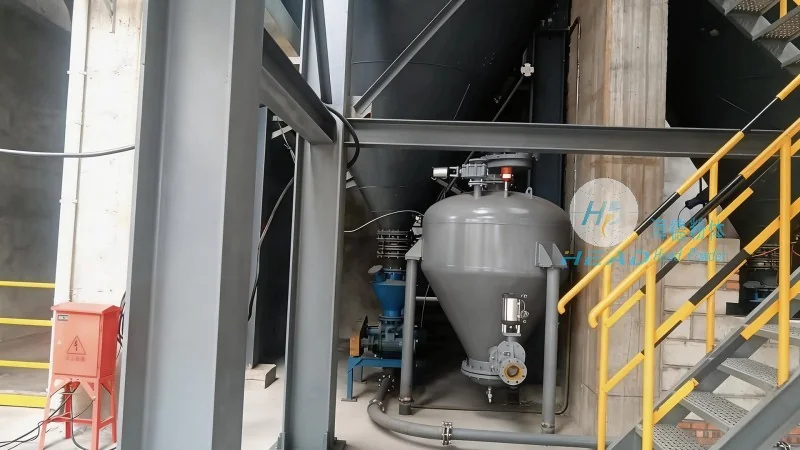
Company Overview: Shandong HeadPowder Engineering Co., Ltd.
Shandong HeadPowder Engineering Co., Ltd., operating under the brand name headpowder, specializes in the design, manufacturing, and installation of advanced pneumatic conveying systems for micronized powders. With a focus on innovation and quality, the company provides tailored solutions to meet the diverse needs of industrial clients. HeadPowder's expertise lies in understanding the unique challenges of handling fine powders and developing systems that optimize efficiency, reduce downtime, and ensure product integrity. The company's facilities are located in Shandong, China, where it leverages local resources and expertise to deliver high-quality products and services to customers worldwide.