Components of Compound Fertilizer Pneumatic Conveying
Release time:2026-09-14 10:50:06
name of the company:Shandong Headpowder Engineering Co., Ltd.
telephone:156-6277-7102
contacts:Zhang manager
Compound fertilizer pneumatic conveying systems are integral to modern agricultural and industrial operations, enabling efficient and reliable transport of bulk materials. The technology has evolved significantly over the years, and understanding its core components is crucial for optimizing performance and ensuring operational efficiency. This article explores the key elements that constitute a typical compound fertilizer pneumatic conveying system, highlighting the expertise of Shandong HeadPowder Engineering Co., Ltd. as a leading provider in the field.
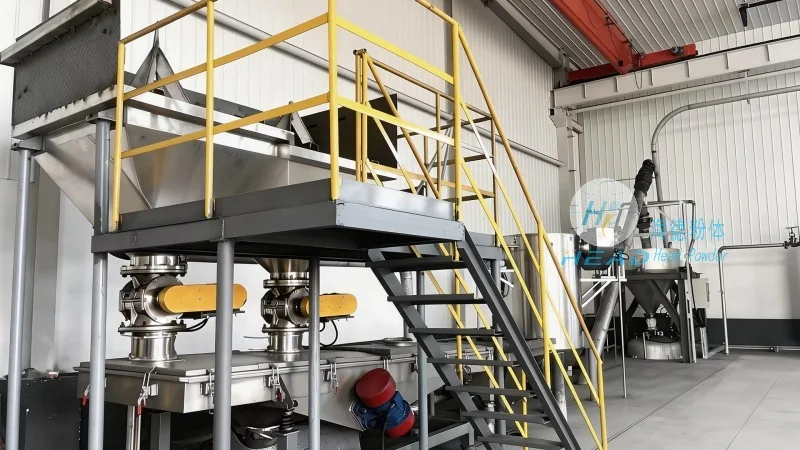
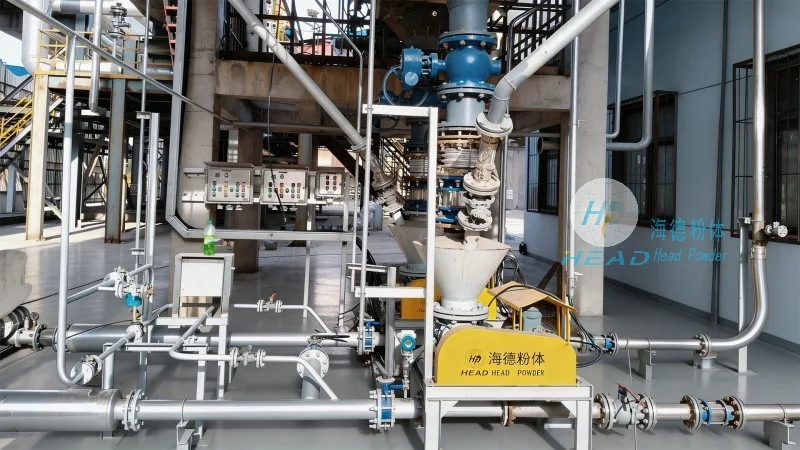
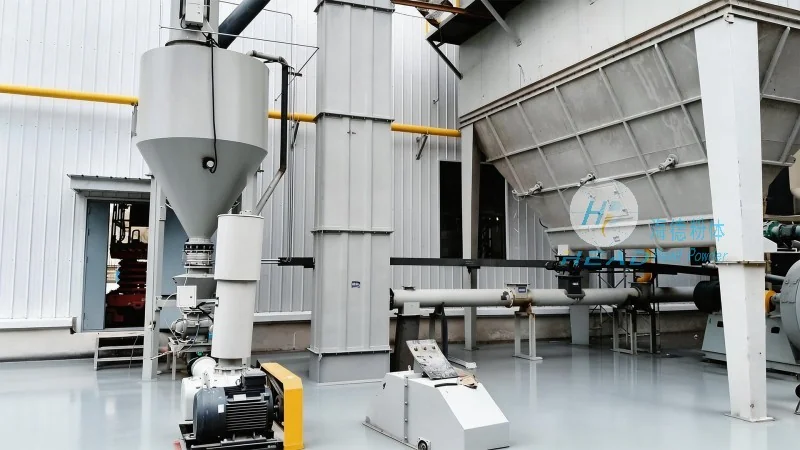
Key Components of Compound Fertilizer Pneumatic Conveying
The compound fertilizer pneumatic conveying system consists of several interconnected components that work in harmony to achieve effective material transport. These components are designed to handle the specific characteristics of compound fertilizers, such as their granular or powdered nature, and the need for low dust generation and minimal product degradation. The primary components include:
- Pneumatic Conveying Hopper: This is the initial storage and feeding unit where the compound fertilizer is loaded. The hopper is typically equipped with a feeding mechanism, such as a rotary valve or a screw feeder, to control the flow of material into the system. The design of the hopper ensures uniform material distribution and prevents blockages, which are common in high-capacity applications.
- Conveying Pipe Network: The pipe network forms the backbone of the system, transporting the fertilizer from the hopper to the discharge point. The pipes are usually made of durable materials like stainless steel or high-density polyethylene (HDPE) to withstand the abrasive nature of the fertilizer and resist corrosion. The layout of the pipe network is carefully planned to minimize pressure losses and ensure consistent flow rates. Key elements within the pipe network include elbows, tees, and straight sections, each designed to maintain the velocity of the conveying air and prevent material settling.
- Air Supply System: This component generates and delivers the necessary air pressure to move the fertilizer particles through the pipes. The system typically includes a blower or a fan, which can be either positive displacement or centrifugal types, depending on the system requirements. The air supply is regulated by a control valve to adjust the pressure and flow rate, ensuring optimal conveying performance. The air is often filtered to remove contaminants and maintain the quality of the fertilizer, as well as to protect the equipment from wear and tear.
- Control and Monitoring System: Modern pneumatic conveying systems are equipped with advanced control and monitoring equipment to ensure safe and efficient operation. This includes sensors for pressure, flow, and level, as well as a programmable logic controller (PLC) that manages the entire system. The control system allows operators to adjust parameters in real-time, such as the air pressure and feeding rate, to adapt to varying production demands. It also provides alerts and alarms for any abnormalities, such as blockages or pressure drops, enabling quick troubleshooting and minimizing downtime.
- Discharge and Dosing Equipment: The final component of the system is the discharge and dosing unit, where the fertilizer is released into the next process or storage area. This equipment can include a rotary valve, a metering pump, or a pneumatic dosing system, depending on the application. The discharge unit is designed to control the flow rate accurately, ensuring consistent dosing for downstream processes. It also helps in preventing product loss and contamination, maintaining the quality of the fertilizer.
Each of these components plays a critical role in the overall performance of the compound fertilizer pneumatic conveying system. The integration of these parts, along with the expertise of manufacturers like Shandong HeadPowder Engineering Co., Ltd., ensures that the system operates efficiently, reliably, and with minimal environmental impact. By understanding the components and their functions, users can make informed decisions when selecting or maintaining a pneumatic conveying system for their compound fertilizer handling needs.




