Talc powder, a widely used industrial mineral, often requires efficient and reliable transportation methods to move it from one location to another. Pneumatic conveying, a technology that uses air or gas to transport bulk materials, has become a preferred solution for handling talc powder due to its advantages in safety, cleanliness, and flexibility. This article explores the fundamentals of talc powder pneumatic conveying, detailing how these systems operate and the key components involved.
How Pneumatic Conveying Systems Work for Talc Powder
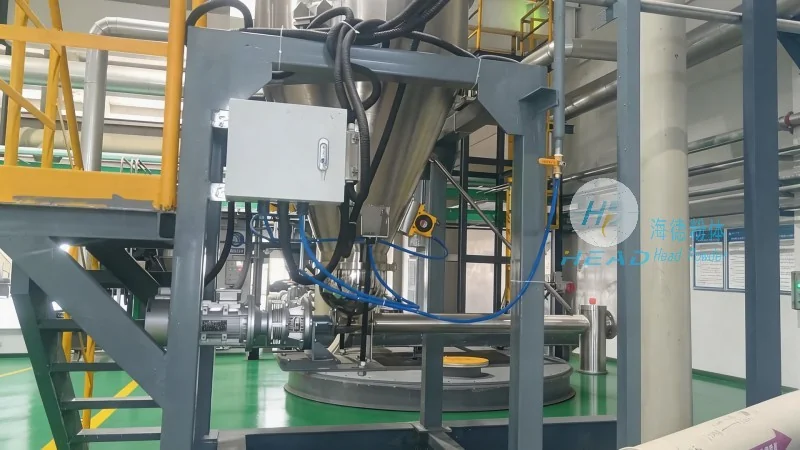
The working principle of a talc powder pneumatic conveying system revolves around the use of compressed air to move the powder through a pipeline. The system typically consists of a hopper for material storage, a feeder to control the flow rate, a conveying line, and a receiver to collect the material at the destination. The process begins when talc powder is fed into the hopper. The feeder then releases the powder into the conveying line, where it is carried by a stream of air. The air velocity is carefully controlled to ensure the powder particles are suspended and transported without clogging or degradation. At the receiving end, the air is separated from the powder, often through a cyclone or filter, and the talc powder is collected in the receiver.
Key Components of a Talc Powder Pneumatic Conveying System
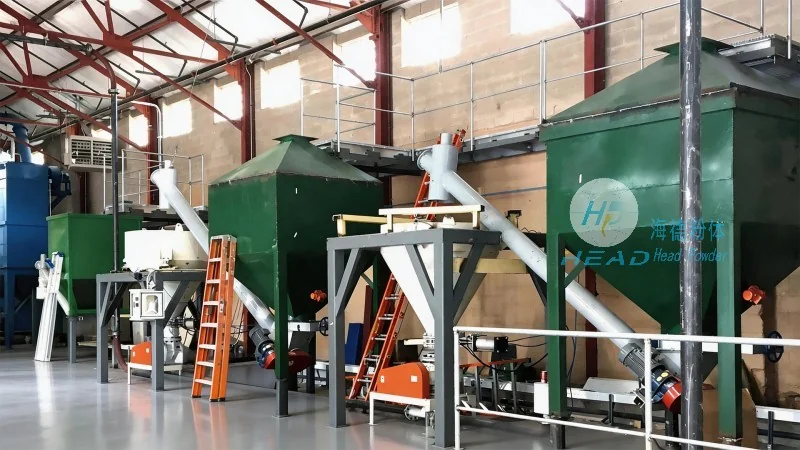
Several critical components work together to ensure the efficient operation of a talc powder pneumatic conveying system. The hopper serves as the storage vessel, providing a consistent supply of talc powder to the feeder. The feeder, which can be a rotary valve or a vibratory feeder, regulates the flow rate to match the conveying system's capacity. The conveying line, usually made of stainless steel or other corrosion-resistant materials, is designed to withstand the abrasive nature of talc powder. The receiver, equipped with a dust collection system, collects the powder and prevents dust emissions. Additionally, a filter or cyclone is used to separate the air from the powder, ensuring the air is clean and can be recycled or vented safely.
Advantages of Using Pneumatic Conveying for Talc Powder
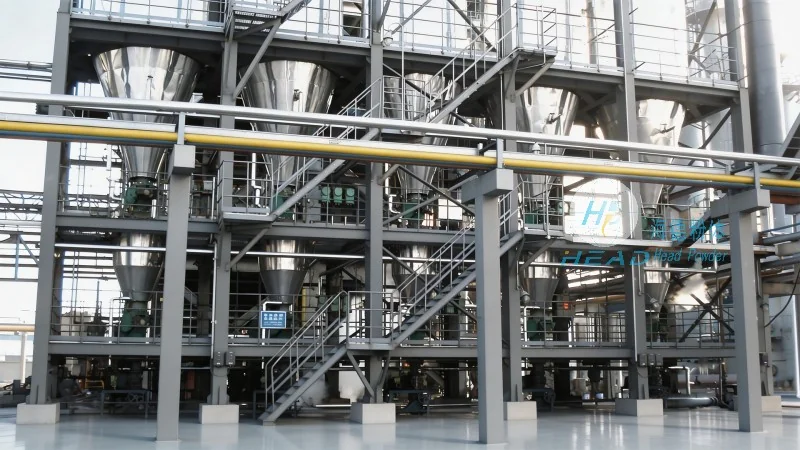
Pneumatic conveying offers several benefits for transporting talc powder. First, it provides a closed system, which helps maintain the purity of the powder and prevents contamination from external sources. This is particularly important for talc powder used in pharmaceutical or food applications where quality control is critical. Second, the system is relatively compact and can be installed in various configurations, including vertical or horizontal lines, to suit different plant layouts. Third, it reduces labor costs by automating the material handling process, minimizing the need for manual handling and associated risks. Finally, pneumatic conveying systems are energy-efficient compared to other bulk material handling methods, making them a cost-effective solution for long-term use.
Applications of Talc Powder Pneumatic Conveying
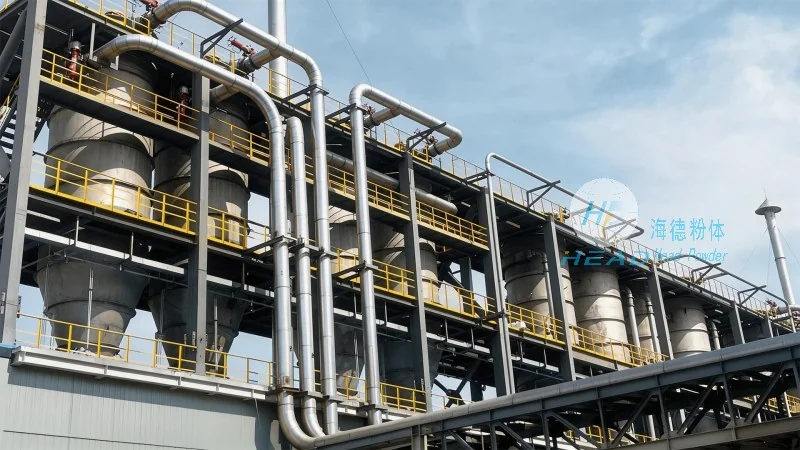
Talc powder pneumatic conveying systems are used in a wide range of industries that utilize talc powder. In the cosmetics industry, talc is used as a filler in powders and creams, and pneumatic conveying ensures that the powder is transported without breaking down or losing its quality. In the paper industry, talc is added to paper to improve its smoothness and whiteness, and the conveying system helps deliver the powder to the paper manufacturing line efficiently. In the plastics industry, talc is used as a filler to enhance the mechanical properties of plastic products, and the system ensures consistent mixing of the talc with the plastic resin. Additionally, in the pharmaceutical industry, talc is used as an excipient in tablets and capsules, and the closed system of pneumatic conveying maintains the purity and safety of the powder.




