For industrial applications involving the transport of mineral particles, pneumatic conveying systems offer an efficient and reliable method. This overview provides a concise introduction to the technology, focusing on how these systems operate and their application in mineral processing.
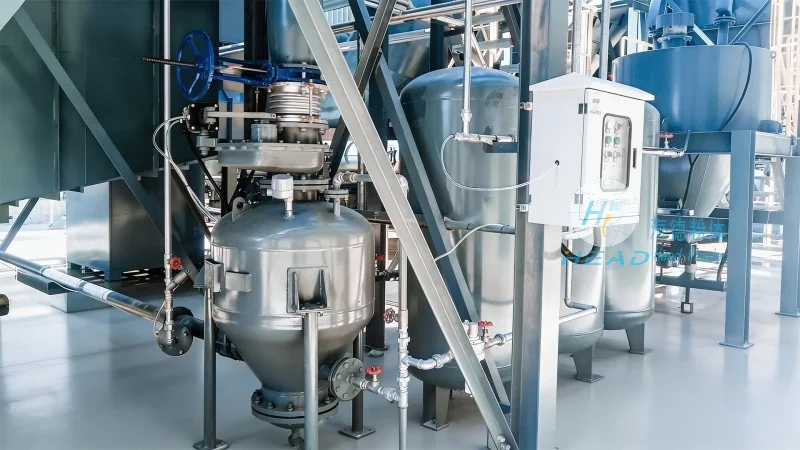
Understanding Pneumatic Conveying Systems
Pneumatic conveying systems utilize air or other gases to transport solid materials, such as mineral powders or granules, from one location to another. The core principle involves creating a pressure differential or using vacuum to move the material through a pipeline. These systems are widely used in industries like mining, cement, and chemical processing due to their ability to handle a variety of particle sizes and shapes while maintaining low maintenance costs.
The Working Principle of Pneumatic Conveying
The operation of a pneumatic conveying system typically involves several key components: a feeding device, a conveying line, a separation or collection unit, and a control system. The process begins when the mineral particles are introduced into the system, often with the assistance of a feeder or hopper. Air is then supplied to the system, either by a blower or a vacuum pump, creating a flow that propels the particles through the pipeline. The velocity of the air and the design of the pipeline are critical factors in ensuring efficient transport without causing particle degradation or system blockages.
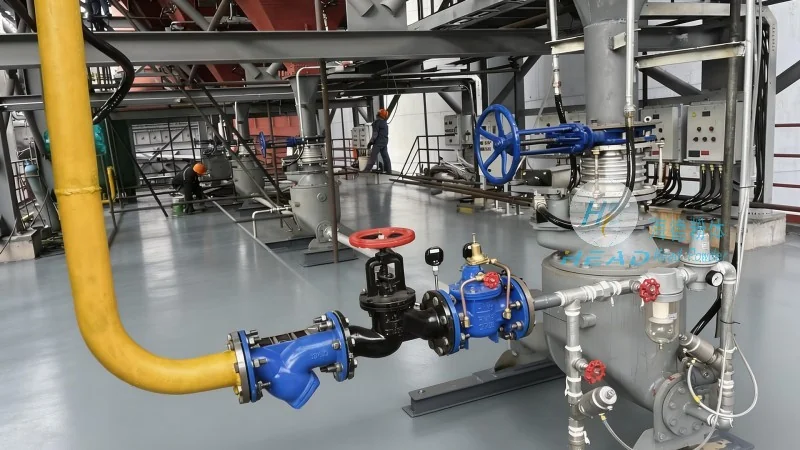
Key Components and Their Functions
Each component in a pneumatic conveying system plays a vital role in the overall operation. The feeding device, such as a rotary valve or a screw feeder, controls the flow rate of the mineral particles into the system, ensuring a consistent supply. The conveying line, usually made of metal or plastic, is designed to withstand the pressure and temperature conditions of the material being transported. The separation or collection unit, which may include a cyclone or a bag filter, separates the particles from the air stream, allowing the material to be discharged at the destination. The control system monitors and adjusts the air flow and pressure to maintain optimal performance and prevent system failures.
Advantages of Pneumatic Conveying for Mineral Particles
Compared to traditional mechanical conveying methods, pneumatic systems offer several advantages for mineral particle transport. These include the ability to handle fine or abrasive particles without causing wear on the equipment, reduced risk of contamination, and the flexibility to transport materials over long distances or through complex layouts. Additionally, pneumatic conveying can be integrated with other processing equipment, such as mixers or reactors, to streamline production processes. The low maintenance requirements and the ability to operate in hazardous environments further enhance the appeal of these systems for industrial use.
Applications in Mineral Processing
Pneumatic conveying systems are widely applied in various stages of mineral processing. In mining operations, they are used to transport crushed ore from processing plants to storage facilities or to transport raw materials to the processing line. In cement production, these systems are essential for conveying raw materials like limestone and clay to the kilns. In chemical processing, pneumatic conveying is used to transport various powders and granules, including minerals used as raw materials or additives. The adaptability of pneumatic systems to different particle characteristics and processing requirements makes them a preferred choice in many industrial applications.
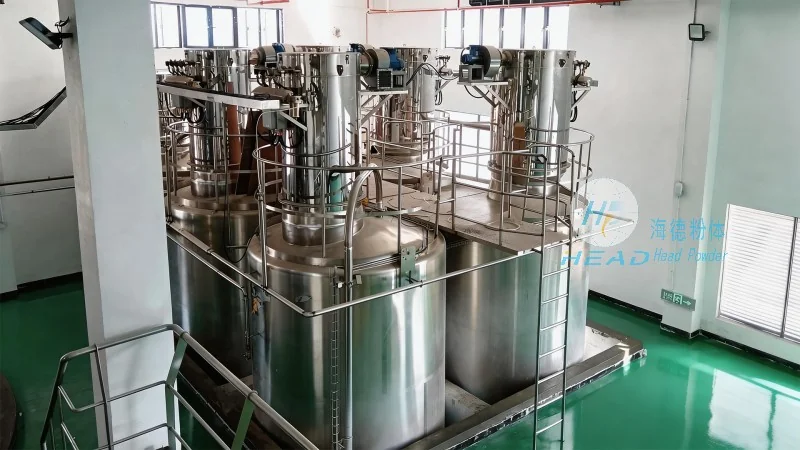
Company Overview: Shandong HeadPowder Engineering Co., Ltd.
Shandong HeadPowder Engineering Co., Ltd., operating under the brand name headpowder, specializes in the design, manufacturing, and installation of pneumatic conveying systems tailored for mineral particle transport. With a focus on providing customized solutions, the company leverages advanced engineering principles to develop systems that meet the specific needs of clients in the mining, cement, and chemical industries. HeadPowder's expertise in material handling and process integration ensures that their systems are efficient, reliable, and cost-effective, contributing to improved productivity and operational safety for their clients.
Location and Commitment to Quality
HeadPowder is headquartered in Shandong, China, where the company maintains its manufacturing facilities and technical support team. The company's commitment to quality is reflected in its adherence to international standards and continuous investment in research and development. By combining traditional engineering knowledge with modern technology, HeadPowder aims to deliver innovative solutions that enhance the performance of pneumatic conveying systems for mineral particle transport, supporting the growth and efficiency of industries that rely on these critical materials.




