When it comes to efficient material handling in industrial settings, pneumatic conveying systems have become a cornerstone for transporting bulk materials like stone aggregates and powders. At Shandong HeadPowder Engineering Co., Ltd., we specialize in designing and manufacturing advanced pneumatic conveying equipment tailored to meet the diverse needs of various industries. This article delves into the structure and operational principles of stone aggregate pneumatic conveying equipment, providing a comprehensive overview of how these systems work.
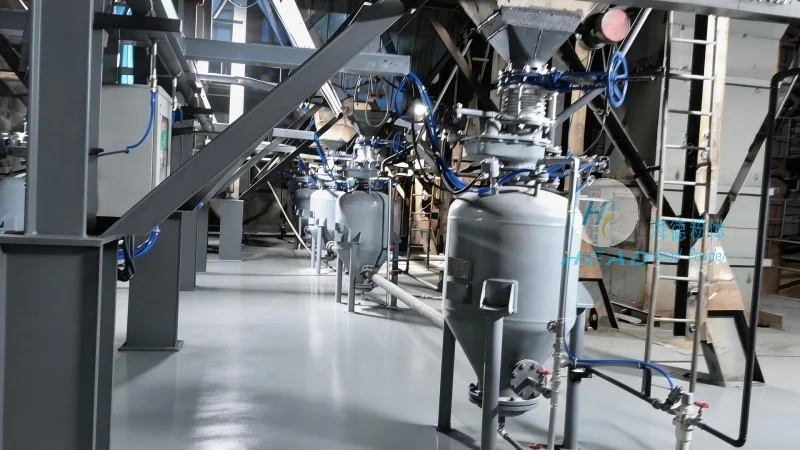
Understanding Pneumatic Conveying Systems
Pneumatic conveying, or air-based material transport, utilizes compressed air or gas to move solid particles through a pipeline. This method offers several advantages over traditional mechanical conveying systems, including reduced maintenance, lower risk of material contamination, and the ability to handle a wide range of particle sizes and densities. The core components of a pneumatic conveying system typically include a material feed hopper, a blower or compressor, a conveying pipeline, a separation unit, and a discharge outlet. Each component plays a critical role in ensuring the smooth and efficient transport of materials.
The Structure of Stone Aggregate Pneumatic Conveying Equipment
Stone aggregate pneumatic conveying equipment is specifically designed to handle coarse, abrasive materials such as crushed stone, gravel, and sand. The system's structure is engineered to withstand the mechanical stresses and abrasion caused by these materials. Key structural components include:
1. Feed Hopper and Metering Valve: The feed hopper is a large, sturdy container that holds the stone aggregates. It is equipped with a metering valve that controls the flow rate of the material into the conveying system. This ensures a consistent and controlled feed, preventing overloading or underloading of the system.
2. Blower or Compressor Unit: This is the heart of the pneumatic conveying system, responsible for generating the necessary air pressure to move the material through the pipeline. The choice between a blower and a compressor depends on the system's requirements, such as the distance and height of the material transport, as well as the material's properties.
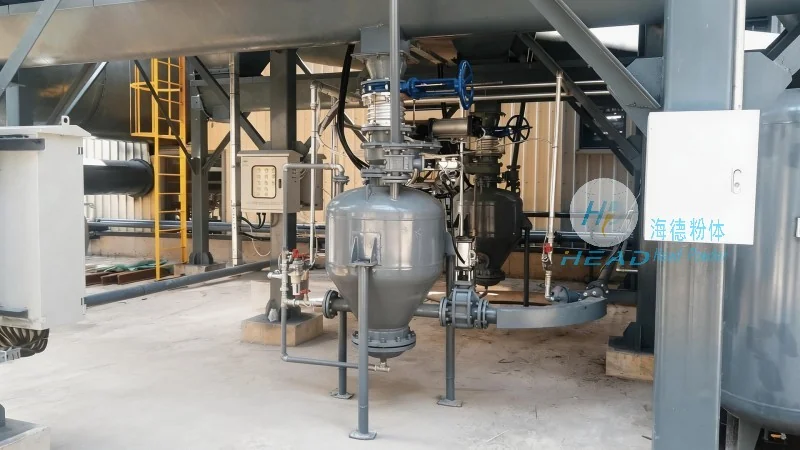
3. Conveying Pipeline: The pipeline is typically made of durable materials like stainless steel or high-density polyethylene to resist corrosion and abrasion from the stone aggregates. The pipeline design, including bends and elbows, is optimized to minimize pressure drop and ensure efficient material transport.
4. Separation and Cleaning Unit: As the material travels through the pipeline, it may carry fine particles or dust. The separation unit, often a cyclone or a bag filter, separates these fine particles from the main material stream. This unit is crucial for maintaining material purity and preventing clogging in downstream processes.
5. Discharge and Diverter Valve: The discharge unit collects the conveyed stone aggregates and directs them to the desired destination. The diverter valve allows for flexible routing of the material, enabling the system to serve multiple destinations or storage areas.
Operational Principle of the Equipment
The operational principle of stone aggregate pneumatic conveying equipment is based on the principle of fluidization and suspension. When compressed air is introduced into the feed hopper, it lifts the stone aggregates, creating a fluidized bed. The air then carries the suspended particles through the pipeline, maintaining them in a suspended state until they are deposited at the discharge point. The velocity of the air in the pipeline is carefully controlled to ensure that the particles remain suspended without settling or causing blockages.
The system operates in either a dilute-phase or dense-phase mode, depending on the application. Dilute-phase conveying uses higher air velocities to keep particles suspended, suitable for short-distance transport. Dense-phase conveying uses lower air velocities and higher material concentrations, ideal for longer distances or when handling more abrasive materials. The choice of mode depends on factors such as the material's properties, the required transport distance, and the system's energy efficiency.
Advantages of Using Pneumatic Conveying for Stone Aggregates
Implementing a stone aggregate pneumatic conveying system offers several benefits over traditional methods. First, it provides a closed system, which helps prevent dust contamination and environmental pollution. This is particularly important for handling materials that may be hazardous or cause health issues if released into the air. Second, the system is highly efficient in terms of energy consumption, as it minimizes the need for mechanical components like conveyor belts or buckets. Third, the equipment is compact and can be easily integrated into existing industrial setups, reducing space requirements and installation costs.
Applications and Industries
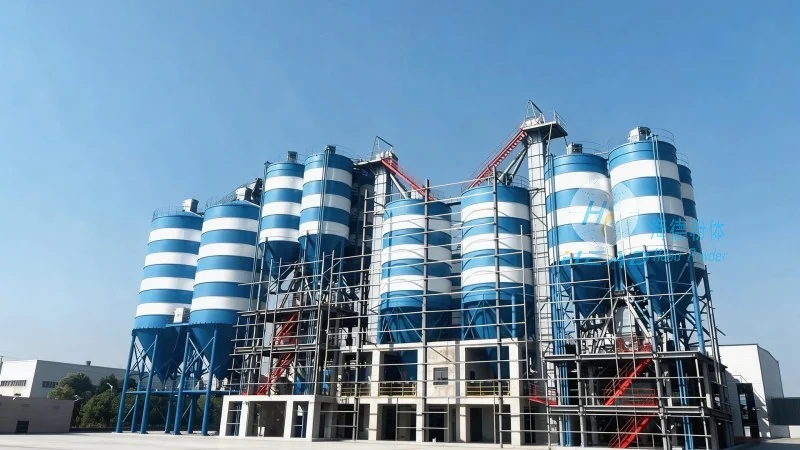
Stone aggregate pneumatic conveying equipment is widely used in various industries, including construction, mining, and manufacturing. In the construction industry, it is used to transport aggregates from storage silos to mixing plants or concrete batching facilities. In mining operations, it helps move crushed stone from processing plants to storage areas or for further processing. The equipment is also utilized in the manufacturing of asphalt, cement, and other building materials, where precise material handling is critical for product quality.
Conclusion
Stone aggregate pneumatic conveying equipment is a sophisticated and efficient solution for handling bulk materials in industrial applications. By understanding its structure and operational principles, businesses can make informed decisions about implementing such systems to improve their material handling processes. At Shandong HeadPowder Engineering Co., Ltd., we are committed to providing high-quality, reliable pneumatic conveying equipment that meets the specific needs of our clients, ensuring optimal performance and durability.




