SiC (Silicon Carbide) is a high-performance ceramic material widely used in various industrial applications due to its exceptional hardness, thermal stability, and chemical resistance. The pneumatic conveying equipment designed for handling SiC powder plays a crucial role in material transport, ensuring efficient and safe operation in production lines. This article provides an in-depth explanation of the working principles behind such equipment, focusing on the technical aspects and operational mechanisms.
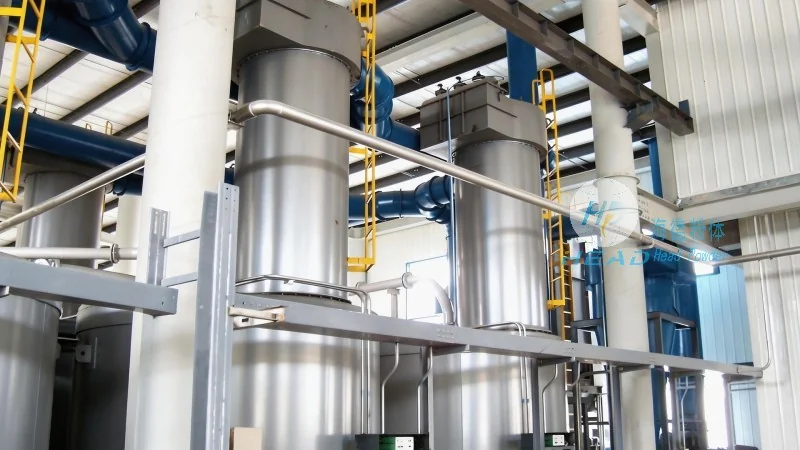
Company Profile: HeadPowder
HeadPowder, formally known as Shandong HeadPowder Engineering Co., Ltd., is a professional manufacturer and supplier of advanced material handling solutions. With its headquarters located in Shandong, China, the company specializes in developing and manufacturing pneumatic conveying systems tailored for high-performance materials like silicon carbide. HeadPowder combines years of industry experience with cutting-edge technology to deliver reliable and efficient equipment that meets the demanding requirements of modern manufacturing processes.
The Fundamental Principle of Pneumatic Conveying
Pneumatic conveying, also known as air conveying, is a method of transporting bulk materials through a pipeline using a stream of air. In the case of silicon carbide, the equipment operates by creating a pressure differential between the inlet and outlet of the system. The process typically involves a combination of positive and negative pressure zones to move the powder from the source to the destination. The core components of the system include a hopper for material storage, a feeder to control the flow rate, a conveying line, and a receiver for the discharged material. The air flow, generated by a blower or compressor, carries the SiC particles through the pipeline, ensuring smooth and continuous transport.
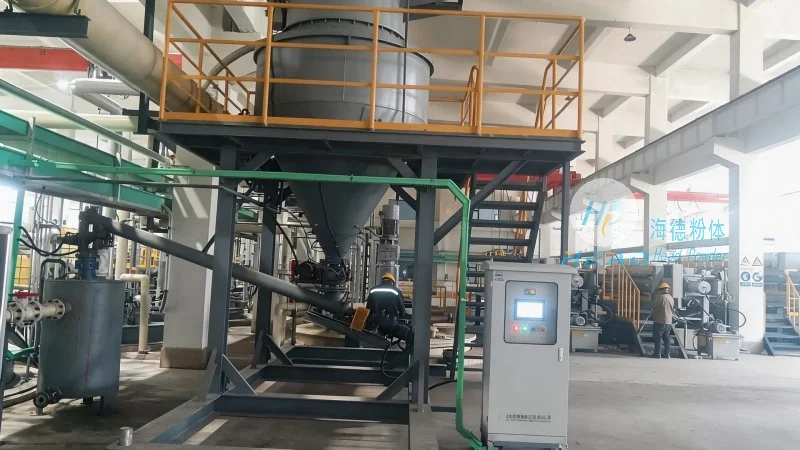
Key Components and Their Functions
The effectiveness of silicon carbide pneumatic conveying equipment relies on several critical components, each with a specific role in the overall operation. The hopper, often equipped with a venting system, stores the SiC powder and maintains a consistent material level. The feeder, which can be a rotary valve or a screw feeder, regulates the discharge rate to match the air flow, preventing blockages and ensuring stable conveying. The conveying line, usually made of corrosion-resistant materials such as stainless steel or PTFE, is designed to withstand the abrasive nature of SiC particles. The receiver, typically a hopper or a silo, collects the conveyed material and may include a discharge valve for further processing. The blower or compressor provides the necessary air pressure and volume to drive the material through the system, with adjustable settings to optimize performance based on the material characteristics and system layout.
Advantages of Silicon Carbide Pneumatic Conveying
Compared to traditional mechanical conveying methods, silicon carbide pneumatic conveying offers several advantages that make it ideal for high-value and abrasive materials. First, it eliminates the need for moving parts in the conveying line, reducing wear and tear and minimizing maintenance requirements. Second, the enclosed system prevents dust emissions, ensuring a clean and safe working environment. Third, the equipment can handle materials with varying particle sizes and moisture content, providing flexibility in material handling. Additionally, the ability to transport materials over long distances without intermediate storage points enhances operational efficiency. These benefits make silicon carbide pneumatic conveying a preferred choice for industries such as refractory manufacturing, semiconductor production, and high-temperature applications where material purity and process reliability are paramount.
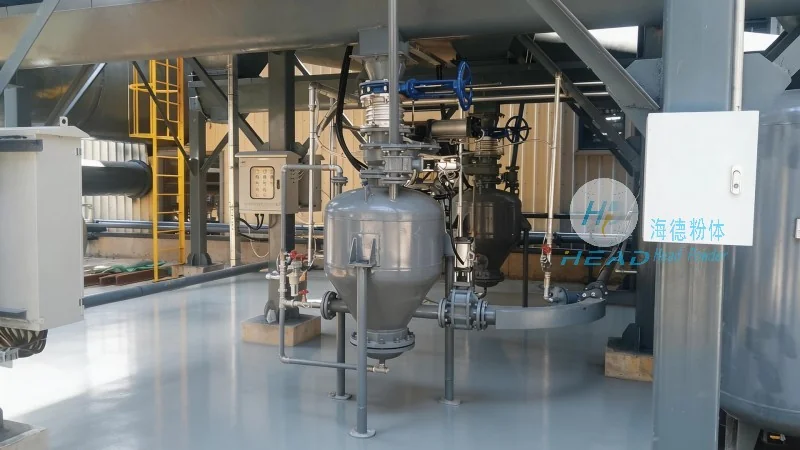
Application Examples
Silicon carbide pneumatic conveying equipment is widely used in various industrial applications where the material's properties are critical to the end product. In the refractory industry, SiC is used to produce high-temperature bricks and linings, and the conveying system ensures that the powder is delivered to the mixing and molding processes without contamination. In semiconductor manufacturing, SiC is utilized in the production of power devices and sensors, and the equipment maintains the material's purity by preventing particle degradation during transport. Other applications include the production of abrasive tools, ceramic components, and high-performance coatings, where the consistent and efficient transport of SiC powder is essential for achieving high-quality products. The adaptability of the system allows it to be integrated into existing production lines, improving overall process efficiency and reducing downtime.
Conclusion
Understanding the principle of silicon carbide pneumatic conveying equipment is essential for optimizing material handling in industries that rely on this high-performance ceramic material. The combination of advanced engineering and careful component selection ensures that the equipment operates efficiently and reliably, delivering consistent results. HeadPowder, with its expertise in material handling solutions, provides high-quality pneumatic conveying systems that meet the specific needs of SiC applications. By leveraging the principles outlined in this article, manufacturers can enhance their production processes, improve material quality, and achieve greater operational efficiency in handling silicon carbide.




