

What is Coffee Powder Pneumatic Conveying? And What Are Its Design Principles?
Coffee powder pneumatic conveying is an efficient and clean material handling technology, especially suitable for processing fine particulate materials like coffee powder. This technology uses compressed air or inert gases to transport solid particles from one location to another, avoiding the contamination and wear issues that traditional mechanical conveying equipment may cause. For the coffee processing industry, coffee powder pneumatic conveying systems not only ensure product quality during the conveying process but also enhance production efficiency and reduce operational costs.
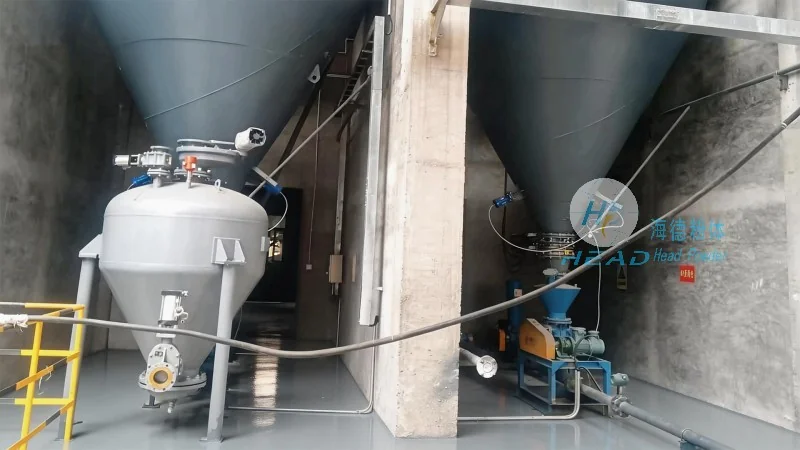
Coffee Powder Pneumatic Conveying Core Working Principles
The design of coffee powder pneumatic conveying systems is based on fluid mechanics principles, where solid particles are mixed with a conveying medium (typically air or nitrogen) to form a gas-solid two-phase flow for transport. The system generally consists of feeding devices, conveying pipelines, separation equipment, and control systems. When compressed air is blown from the feeder, coffee powder particles are carried by the air stream through the pipelines to the destination. During the conveying process, the velocity and pressure of the gas-solid two-phase flow need to be precisely controlled to ensure stable transport, avoiding blockages or separation. Separation equipment, such as cyclone separators or bag filters, is used to separate the conveyed coffee powder from the air, recovering the air and processing the particulate matter.
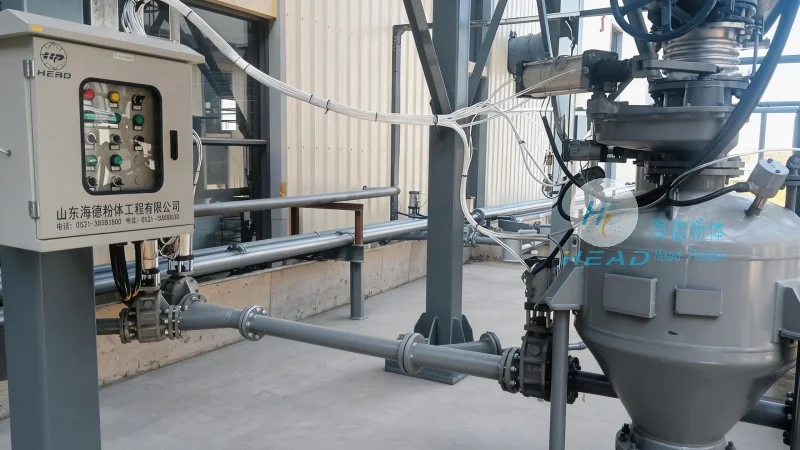
Key Design Elements and System Optimization
Designing a coffee powder pneumatic conveying system requires consideration of multiple key elements to ensure system reliability and efficiency. First, the type and pressure of the conveying medium are core parameters. For coffee powder, which is prone to moisture absorption and caking, inert gases like nitrogen are typically chosen as the conveying medium to prevent oxidation and caking. Second, the diameter and layout of the pipelines directly affect conveying speed and energy consumption. Proper pipeline design minimizes pressure loss, reducing operating costs. Additionally, the design of the feeding device is critical, as it must uniformly transport coffee powder without causing blockages or material accumulation. Regarding separation equipment, cyclone separators or bag filters are commonly used to separate coffee powder from air, ensuring the recovered air is clean and improving material recovery rates. By optimizing these design elements, the performance of coffee powder pneumatic conveying systems can be significantly enhanced to meet the needs of different production scales.
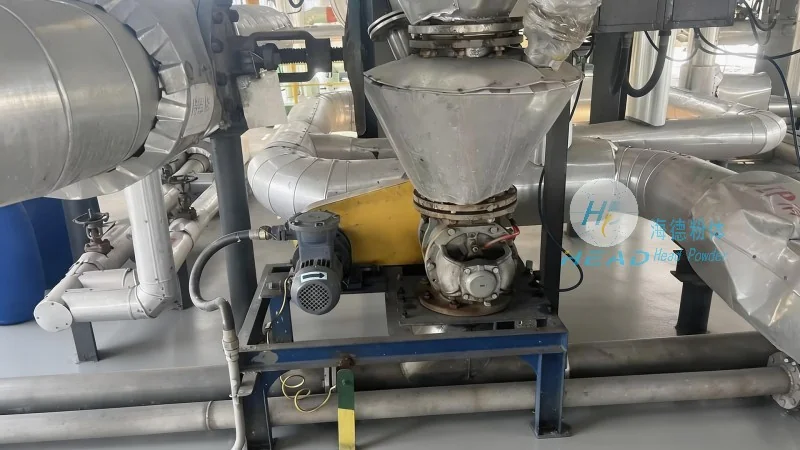
HeadPowder Engineering Company's Professional Solutions
Shandong HeadPowder Engineering Co., Ltd. (HeadPowder), a professional powder engineering technology company headquartered in Shandong, China, is dedicated to providing efficient and reliable coffee powder pneumatic conveying solutions for the coffee processing industry. With years of industry experience and technical expertise, HeadPowder offers customized pneumatic conveying systems to clients worldwide. The company's design team has a deep understanding of coffee powder characteristics, combining fluid mechanics and powder engineering theory to provide the most suitable conveying systems for coffee processing facilities of various scales. HeadPowder not only provides equipment design, manufacturing, and installation services but also offers system commissioning and technical support to ensure smooth operation of coffee powder pneumatic conveying systems. The engineering team at HeadPowder conducts on-site surveys and develops tailored solutions based on clients' actual production needs, ensuring the system meets requirements for output, conveying distance, and material properties. Through professional technical support and customized services, HeadPowder helps coffee processing enterprises improve production efficiency, reduce operating costs, and ensure product quality.