

What is an Industrial Salt Pneumatic Conveying System? And What Are Its Design Principles?
Industrial salt pneumatic conveying systems are essential equipment in various industrial applications, particularly in the processing and handling of bulk materials like industrial salt. These systems utilize air or gas to transport solid materials through a pipeline network, offering a efficient and flexible solution for material transfer. The core of such systems lies in the pneumatic conveying technology, which enables the movement of salt from storage areas to processing units or other destinations without the need for mechanical components like belts or buckets.
Key Components of an Industrial Salt Pneumatic Conveying System
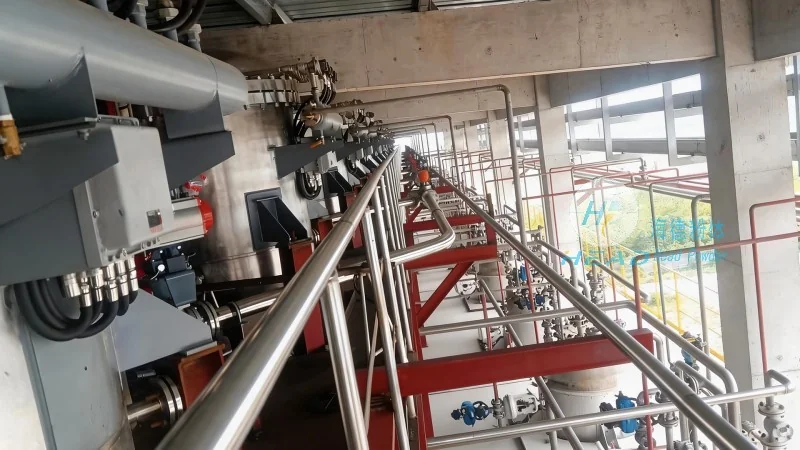
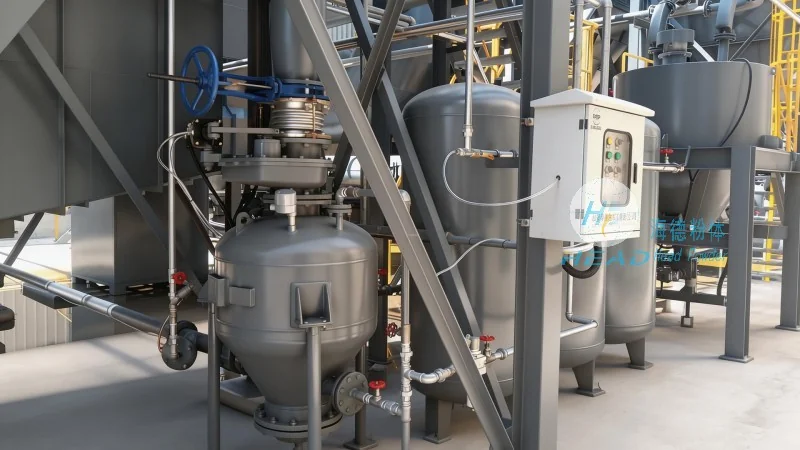
At the heart of an industrial salt pneumatic conveying system are several critical components that work in tandem to ensure smooth operation. The primary components include the hopper or feeder, which holds the industrial salt and controls the material flow into the system. The air compressor or blower provides the necessary pressure and airflow to move the salt through the pipeline. The pipeline itself, typically made of durable materials like stainless steel or plastic, carries the salt and air mixture. Additionally, a filter system is crucial to capture any dust or particles, ensuring the air is clean and the salt remains free from contamination. Finally, the discharge device, such as a rotary valve or a venturi, controls the release of the salt at the destination point.
The Design Principles Behind Industrial Salt Pneumatic Conveying
The design of an industrial salt pneumatic conveying system is based on several fundamental principles that optimize performance, efficiency, and safety. One of the key principles is the selection of the appropriate conveying velocity, which determines the pressure drop and energy consumption. The velocity must be high enough to prevent material settling in the pipeline but low enough to avoid excessive wear and tear on the system components. Another critical principle is the consideration of the salt's physical properties, such as its particle size, density, and moisture content, as these factors influence the system's design and operation. For instance, finer particles may require higher velocities or different pipeline diameters to ensure efficient transport. The system's design also takes into account the distance and layout of the conveying path, as well as the elevation changes, to ensure that the pressure and airflow are sufficient to overcome these obstacles.
Advantages of Industrial Salt Pneumatic Conveying Systems
Industrial salt pneumatic conveying systems offer numerous advantages over traditional mechanical conveying methods. One of the most significant benefits is the ability to handle bulk materials in a closed system, which reduces dust emissions and improves safety in the workplace. This is particularly important for industrial salt, which can be a respiratory irritant if not handled properly. Additionally, pneumatic conveying systems are highly flexible, allowing for changes in the conveying route or destination without major modifications to the infrastructure. They also provide a continuous and reliable flow of material, which is essential for maintaining production efficiency. Furthermore, these systems are relatively low in maintenance compared to mechanical systems, as they have fewer moving parts and require less frequent repairs.
Applications of Industrial Salt Pneumatic Conveying Systems
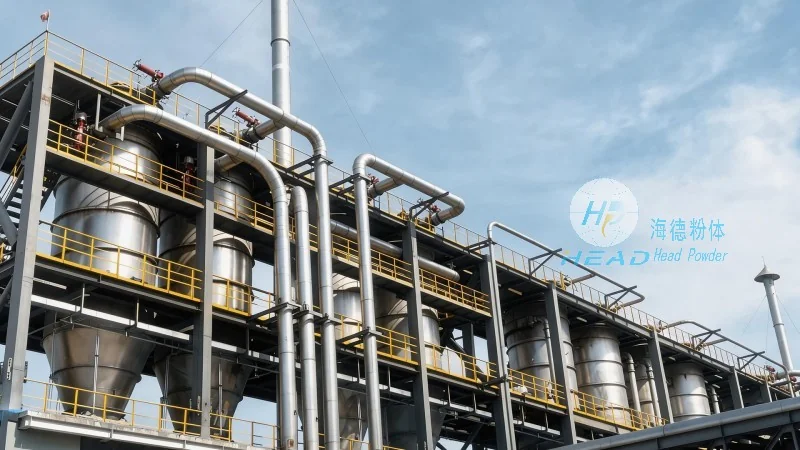
Industrial salt pneumatic conveying systems are widely used in various industries that handle bulk materials. In the chemical industry, they are used to transport industrial salt to reactors or storage tanks. In the food processing industry, they are employed to move salt for seasoning or preservation purposes. The construction industry also utilizes these systems to transport salt for de-icing applications or as a raw material in concrete production. Additionally, in the mining and mineral processing sectors, pneumatic conveying systems are used to transport salt from mines to processing facilities. The versatility of these systems makes them suitable for a wide range of applications, from small-scale operations to large industrial plants.
Company Introduction: Shandong HeadPowder Engineering Co., Ltd.
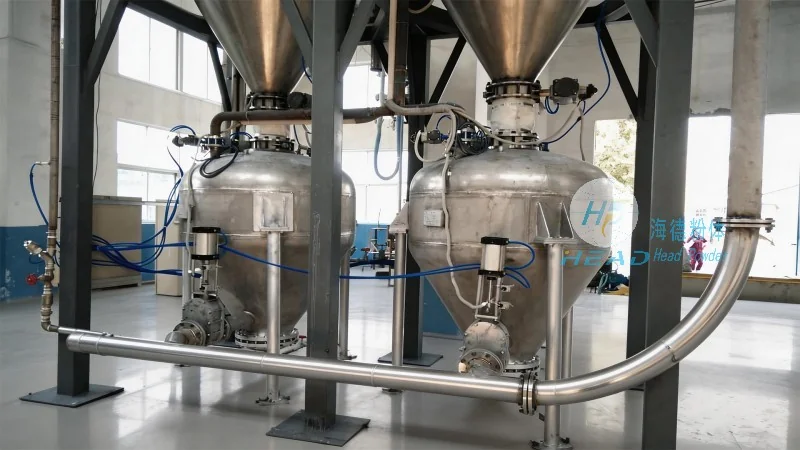
Shandong HeadPowder Engineering Co., Ltd., commonly known as HeadPowder, is a leading manufacturer and supplier of industrial pneumatic conveying systems. With a strong focus on innovation and quality, HeadPowder has established itself as a trusted partner in the industry, providing customized solutions for various material handling needs. The company's team of experienced engineers and technicians specializes in designing and manufacturing high-performance pneumatic conveying systems tailored to the specific requirements of clients. HeadPowder's products are known for their durability, efficiency, and reliability, making them suitable for demanding industrial environments. The company operates from its headquarters in Shandong, China, and serves clients both domestically and internationally. HeadPowder is committed to providing exceptional customer service and support, ensuring that clients receive the best possible solutions for their material handling challenges.
Conclusion
Industrial salt pneumatic conveying systems are a vital component in modern industrial operations, offering efficient and safe solutions for material transport. The design principles behind these systems, combined with the right components and proper maintenance, ensure optimal performance and longevity. Companies like Shandong HeadPowder Engineering Co., Ltd. play a crucial role in providing these systems, helping industries to improve their productivity and operational efficiency. As the demand for efficient material handling solutions continues to grow, the importance of industrial salt pneumatic conveying systems will only increase, making them an essential part of the industrial landscape.