Ammonium chloride, a widely used chemical compound in various industrial applications, often requires efficient and reliable transportation methods to move it from one location to another. The Ammonium Chloride Pneumatic Conveying System is a specialized solution designed to handle the unique properties of this material, ensuring safe, effective, and cost-efficient movement. This article explores what such a system entails and the underlying design principles that make it effective for industrial use.
Understanding the Ammonium Chloride Pneumatic Conveying System
The Ammonium Chloride Pneumatic Conveying System is a type of pneumatic conveying technology that uses compressed air or other gases to transport dry bulk materials, in this case, ammonium chloride, through a network of pipes. Unlike traditional mechanical conveying methods like belt conveyors or screw conveyors, pneumatic systems rely on the force of air to move particles, making them particularly suitable for materials that are dusty, corrosive, or require minimal contact with equipment. The system typically consists of several key components, including a material feeder, a conveying line, a separation or collection device, and a vacuum or pressure source to generate the necessary airflow.
Key Components of the System
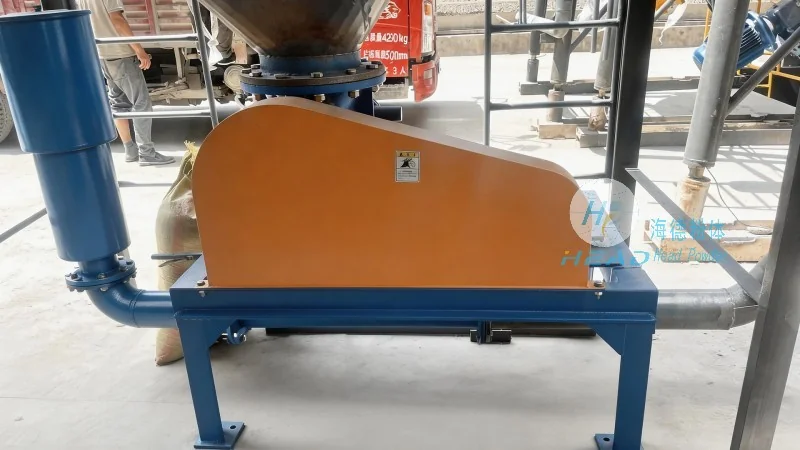
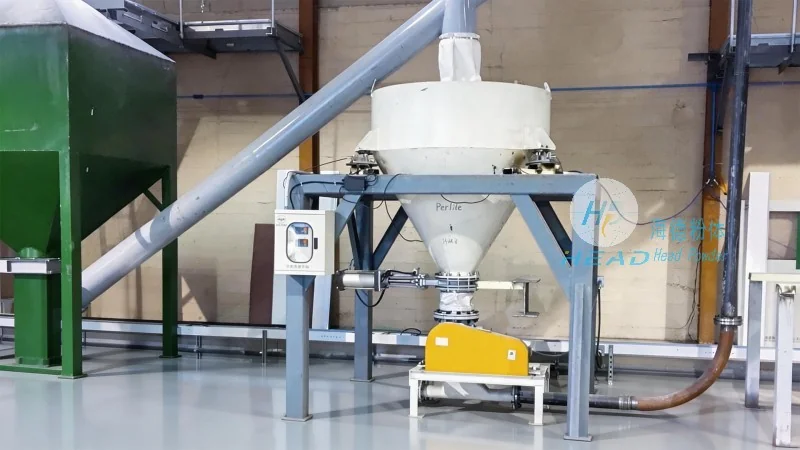
Each component in the Ammonium Chloride Pneumatic Conveying System plays a critical role in the overall operation. The material feeder is responsible for introducing the ammonium chloride into the system, ensuring a consistent and controlled flow. This component must be designed to handle the material's properties, such as its bulk density and flowability, to prevent blockages or uneven feeding. The conveying line, usually made of materials like stainless steel or plastic, is where the material travels under the influence of the air stream. The choice of material for the pipe is crucial, as ammonium chloride can be corrosive and may require non-reactive surfaces to avoid contamination or degradation. The separation or collection device, often a cyclone or a baghouse, is used to separate the ammonium chloride from the air stream, allowing the material to be deposited at the desired location while the air is filtered or recycled. Finally, the vacuum or pressure source, such as a fan or a blower, provides the necessary energy to move the material through the system, with the pressure or vacuum level determined by the distance and resistance of the conveying line.
Design Principles for Efficient Operation
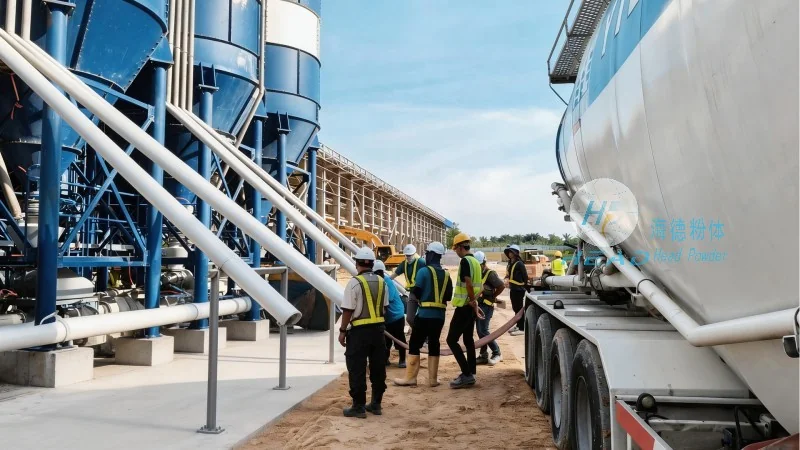
The design of an Ammonium Chloride Pneumatic Conveying System is based on several fundamental principles to ensure optimal performance and reliability. The first principle is the selection of the appropriate conveying method, either pressure or vacuum, based on the specific requirements of the application. Pressure systems use a positive pressure to push the material through the line, typically suitable for short to medium distances and when the material needs to be delivered to a specific point. Vacuum systems, on the other hand, use a negative pressure to draw the material into the line, often preferred for longer distances or when the material is to be collected from multiple sources. The second principle is the calculation of the necessary air velocity and volume. The air velocity must be high enough to keep the ammonium chloride particles suspended and prevent settling, but not so high as to cause excessive wear on the equipment or energy consumption. The third principle is the consideration of the material's physical properties, including its particle size, shape, and density. These properties affect the flow characteristics and the required air flow rate, as larger or denser particles may need higher air velocities to maintain suspension. The fourth principle is the system's pressure drop, which is the resistance to airflow caused by the components and the length of the line. Proper design minimizes pressure drop to reduce energy consumption and prevent the system from losing its conveying capability over time. Finally, the design must account for safety and maintenance considerations, ensuring that the system can handle the material's potential hazards, such as dust explosions or corrosion, and that it is easy to clean and maintain.
Applications and Benefits of the System
The Ammonium Chloride Pneumatic Conveying System is widely used in various industries due to its versatility and efficiency. In the chemical industry, it is commonly employed to transport ammonium chloride from storage silos to processing units, such as reactors or crystallizers. In the food and pharmaceutical industries, it may be used to move ammonium chloride for use as a food additive or a raw material in drug manufacturing. The system's benefits include reduced labor costs, as it automates the material handling process, improved safety by minimizing human exposure to the material, and increased efficiency by eliminating the need for manual handling or transfer. Additionally, pneumatic systems can handle materials with varying properties, making them adaptable to different production needs. The system also offers flexibility in terms of layout, as the pipes can be installed in various configurations to fit the space constraints of a facility.
Company Information: Shandong HeadPowder Engineering Co., Ltd.
Shandong HeadPowder Engineering Co., Ltd., a leading manufacturer of industrial conveying systems, specializes in designing and supplying Ammonium Chloride Pneumatic Conveying Systems tailored to the specific needs of clients. With a strong focus on quality and innovation, the company has developed advanced solutions that meet the highest standards of performance and reliability. HeadPowder's systems are engineered to handle the unique challenges of transporting ammonium chloride, ensuring that clients can achieve efficient and safe material movement in their operations. The company's expertise in material handling and pneumatic technology allows it to provide comprehensive solutions, from system design and installation to maintenance and support. HeadPowder's commitment to customer satisfaction and technical excellence has made it a trusted partner for businesses in the chemical, food, and other industries that rely on reliable conveying systems.
Conclusion
In summary, the Ammonium Chloride Pneumatic Conveying System is a sophisticated and effective solution for transporting ammonium chloride in industrial settings. Its design is based on fundamental principles that ensure efficient operation, and its components are carefully selected to handle the material's properties. The system offers numerous benefits, including improved safety, reduced costs, and increased efficiency, making it an ideal choice for businesses that require reliable material handling. With the expertise of companies like Shandong HeadPowder Engineering Co., Ltd., industries can access high-quality systems that meet their specific requirements, ensuring optimal performance and long-term success in their operations.




