As the demand for high-performance lithium-ion batteries grows, the efficient and safe handling of ternary cathode materials has become a critical aspect of battery manufacturing. Ternary cathode materials, typically composed of nickel, cobalt, and manganese or other transition metals, are essential for achieving high energy density and stability in modern batteries. However, these materials are often fine powders that present unique challenges during transportation and processing. This article explores the concept of a ternary cathode material powder conveying system and delves into its fundamental design principles, highlighting the technological advancements that enable safe and efficient material handling in battery production.
Understanding Ternary Cathode Materials and Their Handling Challenges
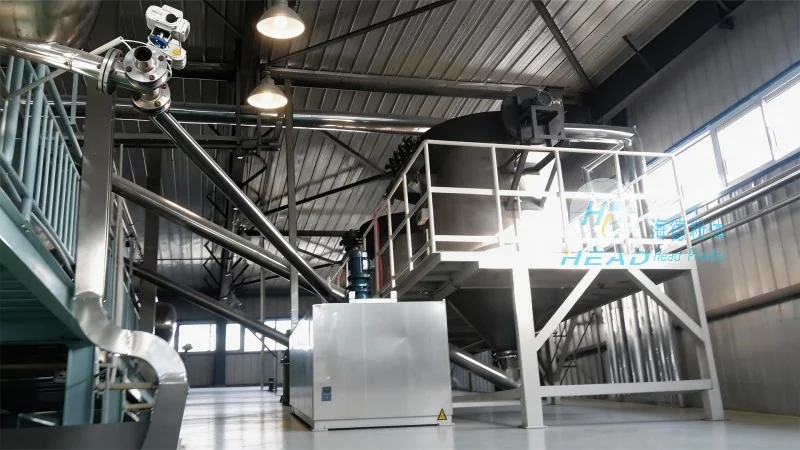
Ternary cathode materials are a class of lithium-ion battery cathodes that combine multiple transition metals to optimize performance. Common compositions include NCM (Nickel-Cobalt-Manganese) and NCA (Nickel-Cobalt-Aluminum), where the ratio of each metal is carefully balanced to achieve desired properties such as capacity, voltage, and thermal stability. These materials are typically produced as fine powders, which are highly reactive and prone to dust generation, agglomeration, and contamination if not handled properly. Traditional conveying methods, such as bulk bags or manual transfer, often result in material loss, uneven distribution, and safety hazards like dust explosions. To address these challenges, specialized powder conveying systems have been developed to ensure the safe, hygienic, and efficient transport of ternary cathode powders throughout the battery manufacturing process.
HeadPowder: A Leading Provider of Powder Conveying Solutions
Shandong HeadPowder Engineering Co., Ltd., commonly known as HeadPowder, is a reputable company based in China specializing in the design, manufacturing, and integration of advanced powder handling systems. With a strong focus on the battery industry, HeadPowder has developed expertise in handling sensitive materials like ternary cathode powders, which require stringent control over dust, moisture, and contamination. The company's commitment to innovation and quality has positioned it as a key player in providing tailored solutions for the evolving needs of battery manufacturers. HeadPowder's systems are engineered to meet the highest standards of safety, efficiency, and reliability, ensuring that ternary cathode materials are transferred with minimal loss and maximum consistency.
Design Principles of a Ternary Cathode Material Powder Conveying System
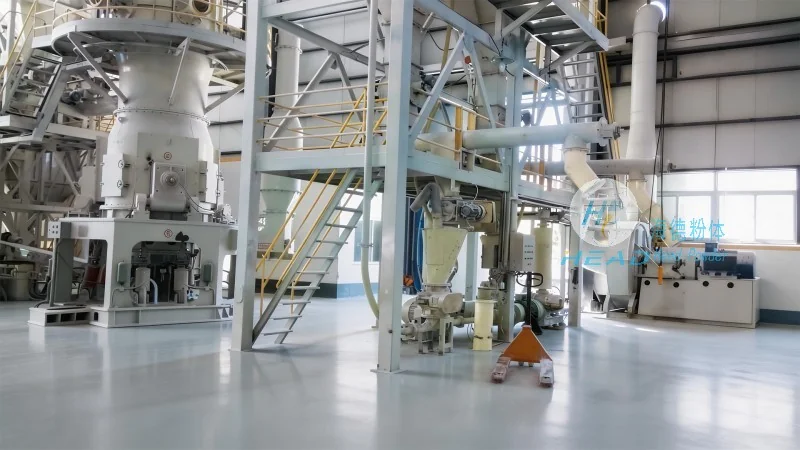
The design of a ternary cathode material powder conveying system is guided by several key principles aimed at optimizing performance and safety. First, the system must ensure airtight and dust-free operation to prevent material exposure and environmental contamination. This is typically achieved through the use of sealed containers, vacuum or pressure conveying mechanisms, and integrated filtration systems. Second, the system must maintain the integrity of the powder by minimizing shear forces and preventing agglomeration during transport. This involves selecting appropriate conveying components, such as flexible hoses, rotary valves, and metering devices, that are gentle on the material. Third, the system must provide precise control over the flow rate and distribution of the powder to ensure uniform mixing and processing. This is critical for achieving consistent battery performance and preventing variations in cathode composition. Additionally, the design must incorporate safety features, such as explosion-proof components and emergency shutdown systems, to protect operators and equipment from potential hazards associated with fine powders.
Key Components and Technologies in the Conveying System
A ternary cathode material powder conveying system typically consists of several interconnected components that work together to achieve efficient material transport. The primary components include a hopper or storage vessel for material containment, a conveying line (such as a pneumatic or mechanical system), and a discharge point for material delivery. Pneumatic conveying systems, which use compressed air to move powders through a sealed pipeline, are commonly used due to their ability to handle fine powders with minimal degradation. These systems often incorporate features like cyclone separators and filters to separate the material from the air stream and ensure clean operation. Mechanical conveying systems, such as screw conveyors or belt conveyors, may also be used for horizontal or vertical transport, depending on the layout of the manufacturing facility. The system may also include automation controls, such as sensors and programmable logic controllers (PLCs), to monitor flow rates, detect blockages, and adjust operation parameters in real-time. These controls enhance the system's reliability and reduce the risk of human error during material handling.
Benefits of Using a Specialized Conveying System for Ternary Cathode Materials
Implementing a dedicated powder conveying system for ternary cathode materials offers numerous benefits for battery manufacturers. First, it significantly reduces material loss and contamination, which directly impacts the cost and quality of the final product. By minimizing dust generation and ensuring complete transfer from the source to the processing equipment, the system helps maintain the purity and consistency of the cathode material. Second, the system enhances safety by eliminating manual handling of fine powders, which can lead to respiratory issues or fire hazards. The sealed and automated nature of the system reduces exposure risks for operators and prevents accidental spills or explosions. Third, the system improves operational efficiency by providing precise control over the flow rate and distribution of the material, leading to more uniform mixing and processing. This results in better battery performance and reduced variability in product output. Additionally, the use of advanced materials and technologies in the system can extend equipment lifespan and lower maintenance costs over time.
Applications and Integration in Battery Manufacturing
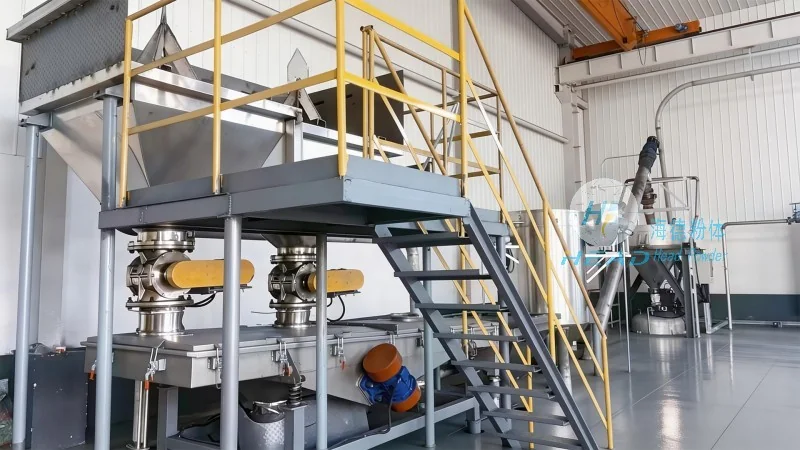
The ternary cathode material powder conveying system is a critical component in the battery manufacturing process, particularly during the cathode material preparation and mixing stages. The system is typically integrated into a larger production line that includes processes such as material storage, mixing, coating, and cell assembly. In the storage stage, the system ensures that ternary cathode powders are transferred from bulk containers or production lines into storage silos without loss or contamination. During the mixing stage, the system delivers the cathode material to mixing equipment, where it is combined with other components like conductive agents and binders to form the final cathode slurry. The precise control of the conveying system is essential to achieve the correct ratio of each component, which directly affects the battery's energy density and cycle life. The system may also be used to transport the mixed cathode slurry to coating machines or to feed the material into battery cells during assembly. By integrating the conveying system with other production equipment, manufacturers can achieve a streamlined and efficient workflow, reducing downtime and improving overall productivity.
Future Developments and Innovations in Powder Conveying Technology
As the battery industry continues to evolve, the demand for more advanced and efficient powder conveying systems for ternary cathode materials is expected to grow. Future developments may focus on enhancing the system's automation capabilities, such as integrating artificial intelligence (AI) for predictive maintenance and real-time process optimization. Additionally, there may be advancements in material handling technologies, such as the use of magnetic or electrostatic conveying methods, to further improve the control and safety of fine powders. The integration of sustainable practices, such as energy-efficient conveying systems and recyclable components, may also become more prominent as the industry prioritizes environmental responsibility. Companies like HeadPowder are likely to continue innovating, developing new solutions that address the unique challenges of handling sensitive materials while meeting the increasing demands for battery performance and production efficiency.




