Vacuum material handling is a sophisticated method used in industrial settings to transport bulk materials through a sealed system by creating a pressure differential. This technology is widely employed across various industries, including pharmaceuticals, food processing, and chemical manufacturing, due to its efficiency and ability to handle delicate or hazardous materials with precision. The core of this process lies in the creation of a negative pressure environment that draws materials from a source into a collection or processing unit.
Understanding the Fundamentals of Vacuum Material Handling
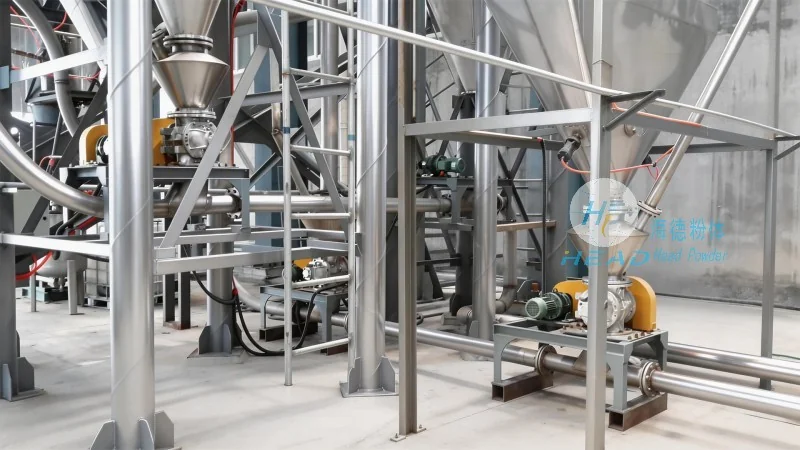
At its essence, vacuum material handling operates by generating a lower pressure in the transport line compared to the ambient or source environment. This pressure difference, often referred to as a vacuum, causes materials to be drawn into the system through a series of components designed to manage flow, control, and material integrity. The system typically includes a vacuum pump, which serves as the primary power source to create the necessary suction force, along with a network of pipes, valves, and filters that facilitate the movement of materials from the source to the destination.
The Key Design Principles Behind Vacuum Material Handling Systems
Designing an effective vacuum material handling system requires careful consideration of several critical principles to ensure optimal performance and reliability. First, the selection of the vacuum pump is paramount, as it must be capable of generating sufficient suction to handle the specific material properties, such as particle size, density, and moisture content. The pump's capacity and type (e.g., rotary vane, roots, or liquid ring) are chosen based on the system's requirements and the nature of the material being transported.
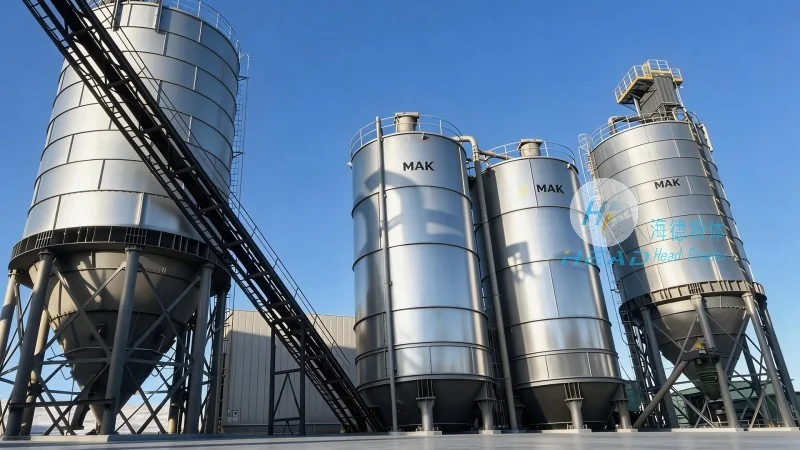
Second, the layout and configuration of the transport lines are crucial. The system must be designed to minimize pressure losses and ensure consistent flow rates. This involves selecting appropriate pipe diameters, using smooth bends and fittings to reduce friction, and incorporating appropriate valves for control and isolation. Additionally, the inclusion of filters and dust collectors is essential to prevent material contamination and protect downstream equipment from particulate buildup.
Components and Their Roles in Vacuum Material Handling
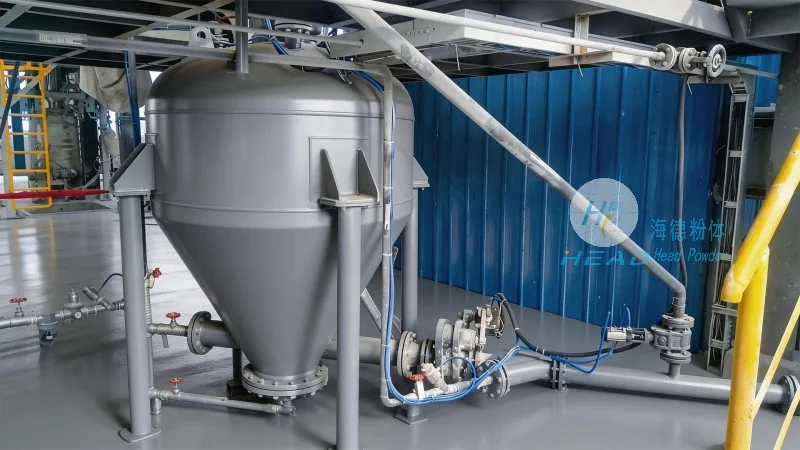
A typical vacuum material handling system comprises several key components, each playing a vital role in the overall operation. The vacuum pump is the heart of the system, responsible for creating the suction force that drives material movement. It is usually connected to a receiver or collection tank where the material is deposited. The transport lines, often made of stainless steel or other corrosion-resistant materials, ensure durability and hygiene, especially in industries like food and pharmaceuticals. Valves, such as gate valves or butterfly valves, are used to control the flow and direction of material, allowing for precise regulation and system maintenance. Filters and cyclones are integrated to separate fine particles from the bulk material, preventing clogging and maintaining system efficiency.
Applications and Benefits of Vacuum Material Handling
Vacuum material handling offers numerous advantages over traditional methods like pneumatic conveying or mechanical conveying. One of the primary benefits is its ability to handle a wide range of materials, including powders, granules, and even bulk solids, with minimal degradation. The sealed system also provides excellent containment, reducing dust emissions and ensuring compliance with environmental regulations. Additionally, the technology allows for gentle handling of delicate materials, preserving their quality and preventing damage. In terms of energy efficiency, vacuum systems can be more economical compared to other methods, especially when transporting materials over long distances or with high material loads.
Case Study: Implementing Vacuum Material Handling in a Pharmaceutical Facility
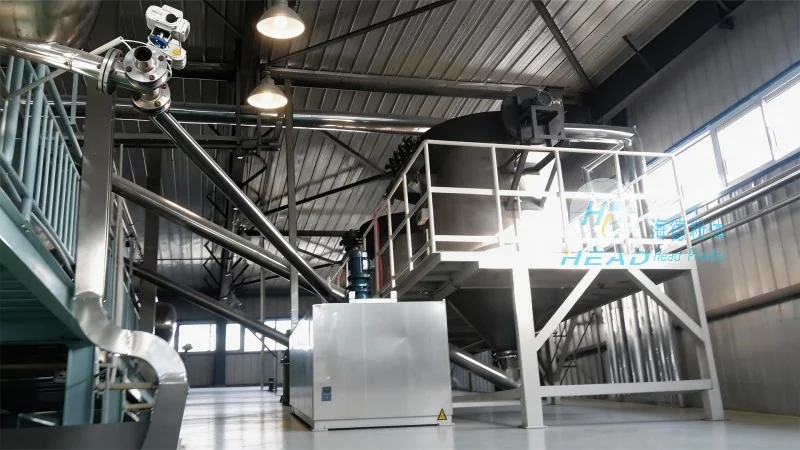
Shandong HeadPowder Engineering Co., Ltd., a leading provider of material handling solutions, recently completed a project for a pharmaceutical company in China. The client required a vacuum material handling system to transport active pharmaceutical ingredients (APIs) and excipients from raw material storage to the production line. The system was designed to meet stringent GMP (Good Manufacturing Practice) standards, ensuring that all materials were handled in a sterile and controlled environment. The solution included a high-efficiency vacuum pump, stainless steel transport lines, and advanced filtration systems to prevent contamination. The implementation resulted in improved material flow, reduced downtime, and enhanced product quality, demonstrating the effectiveness of vacuum material handling in critical industries.
Conclusion: The Role of Design Principles in Effective Vacuum Material Handling
In conclusion, vacuum material handling is a highly effective and versatile technology that relies on sound design principles to achieve optimal performance. The successful implementation of such systems requires a deep understanding of material properties, system design, and operational requirements. Companies like Shandong HeadPowder Engineering Co., Ltd. play a crucial role in providing tailored solutions that meet the specific needs of their clients, ensuring that the benefits of vacuum material handling are fully realized. As industries continue to demand higher efficiency and precision in material handling, the importance of adhering to these design principles will only grow, making vacuum material handling an indispensable part of modern industrial operations.




