Water glass, also known as sodium silicate, is a versatile chemical widely used in various industrial applications. When it comes to transporting this material efficiently and safely, specialized systems are required. This article delves into the concept of a water glass material handling system, exploring its design principles and the critical factors that contribute to its effective operation.
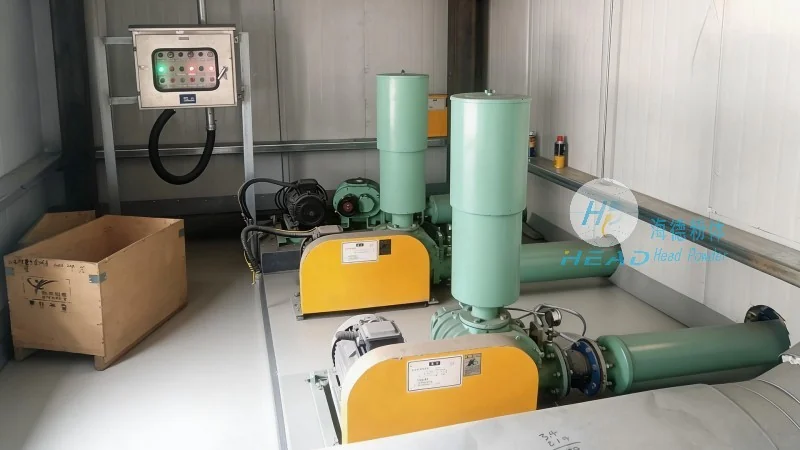
What is a Water Glass Material Handling System?
A water glass material handling system is a specialized setup designed to transport, store, and manage sodium silicate in industrial settings. These systems are crucial for industries such as glass manufacturing, construction, and chemical processing, where water glass is used as a binding agent, flux, or adhesive. The system typically includes components like hoppers, conveyors, pumps, and storage tanks, all engineered to handle the unique properties of water glass, including its viscosity and chemical reactivity.
Key Design Principles for Water Glass Material Handling
The design of a water glass material handling system follows several fundamental principles to ensure optimal performance, safety, and efficiency. First, the system must address the material's physical characteristics, such as its high viscosity and tendency to adhere to surfaces. This is achieved through the use of specialized equipment like screw conveyors or pneumatic systems that can handle thick, viscous liquids without clogging or damage.
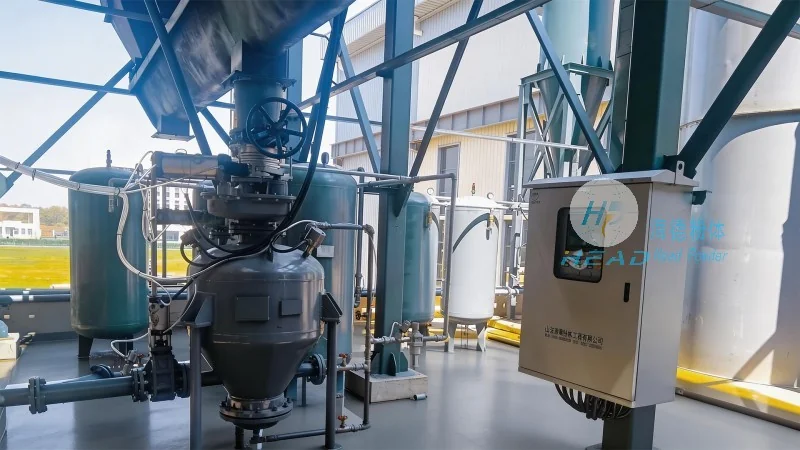
Second, the system emphasizes safety and compliance with industrial standards. Water glass can be caustic and reactive, so the design incorporates features like corrosion-resistant materials, sealed containers, and proper ventilation to prevent leaks and exposure to personnel. Additionally, the system is engineered to minimize the risk of contamination, ensuring that the material remains pure and suitable for its intended applications.
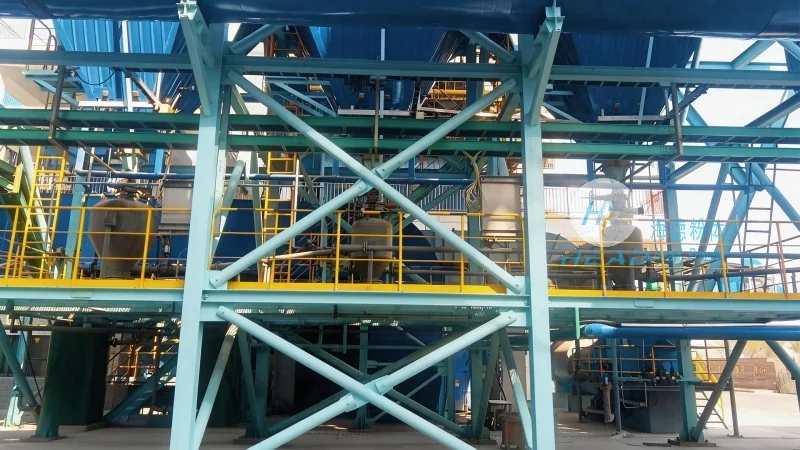
Components and Functionality of the System
The core components of a water glass material handling system work in tandem to facilitate smooth material flow. Hoppers are used to store and feed the material into the system, while conveyors or pumps transport it to the processing units. Storage tanks are often included to maintain a consistent supply, and control systems regulate the flow rate and pressure. Each component is carefully selected based on the material's properties and the specific requirements of the application, ensuring that the system operates reliably over extended periods.
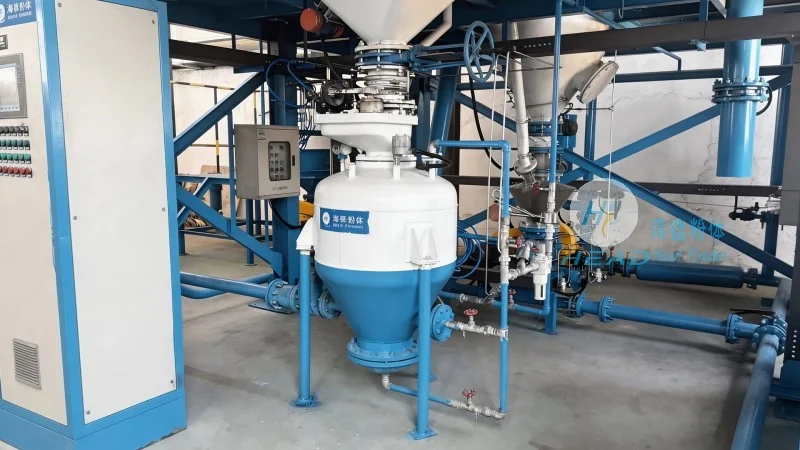
Applications and Industry Impact
Water glass material handling systems are integral to industries that rely on sodium silicate for their production processes. In the glass industry, for example, the system ensures a steady supply of water glass for fluxing and binding, improving the quality and consistency of glass products. In construction, the system facilitates the use of water glass as a binder in mortars and adhesives, enhancing the durability and performance of building materials. By optimizing the handling of this critical material, these systems contribute to increased productivity and reduced operational costs for businesses.
Conclusion
In conclusion, a water glass material handling system is a sophisticated engineering solution that addresses the unique challenges of transporting and managing sodium silicate. The design principles, components, and applications of such systems are tailored to meet the demands of industrial processes, ensuring efficiency, safety, and reliability. Companies like Shandong HeadPowder Engineering Co., Ltd., based in China, specialize in designing and manufacturing these systems, leveraging their expertise to provide tailored solutions for various industrial needs.




