A foam plastic material handling system is a specialized equipment setup designed to transport, store, and manage foam plastic materials efficiently. These systems are crucial in various industries, including manufacturing, packaging, and construction, where foam plastics are used for insulation, cushioning, and structural applications. The design of such systems focuses on optimizing material flow, ensuring safety, and maximizing operational efficiency. Shandong HeadPowder Engineering Co., Ltd., a leading manufacturer in this field, specializes in developing and supplying high-quality foam plastic material handling systems tailored to meet the specific needs of different industries.
Key Components of a Foam Plastic Material Handling System
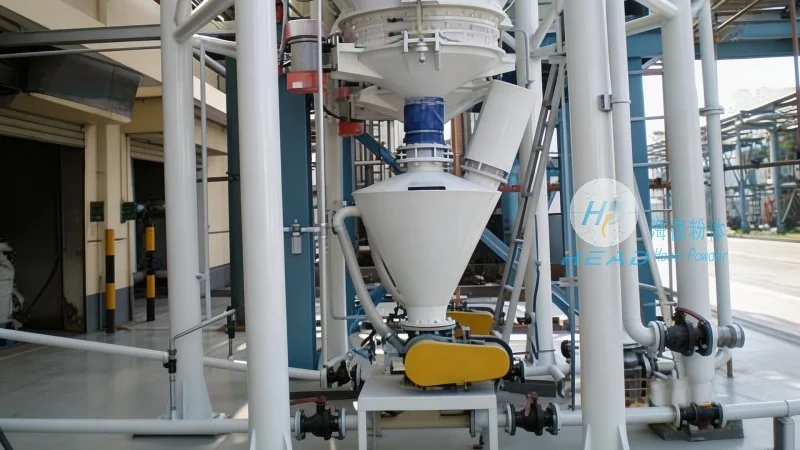
The core components of a foam plastic material handling system typically include feeding mechanisms, conveying systems, storage units, and control panels. The feeding mechanism is responsible for introducing foam plastic materials into the system, often using hoppers or feeders that can handle bulk foam. Conveying systems, such as belt conveyors or pneumatic conveyors, transport the foam materials through the system. Storage units, like silos or bins, are used to store the foam before processing or distribution. Control panels manage the entire operation, ensuring smooth and safe material flow.
Design Principles for Foam Plastic Material Handling Systems
The design principles of a foam plastic material handling system are centered on several key factors. First, material compatibility is critical, as foam plastics vary in density, shape, and handling characteristics. The system must be designed to accommodate these variations without causing damage or degradation. Second, energy efficiency is a major consideration, as foam handling can be energy-intensive. Designers often incorporate energy-saving features, such as variable speed drives and optimized conveyor systems. Third, safety is paramount, especially when dealing with potentially hazardous foam materials or heavy loads. The system includes safety features like emergency stop buttons, overload protection, and enclosed conveyor sections to prevent accidents.
Feeding Mechanisms and Their Importance
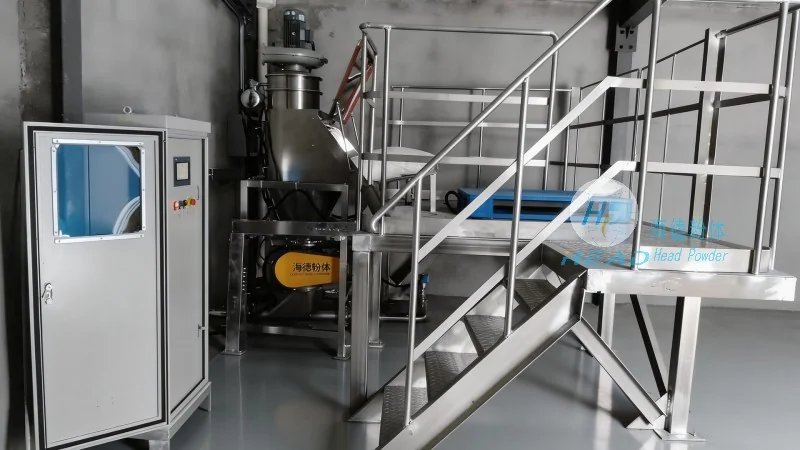
Feeding mechanisms are the first step in the foam plastic material handling process. They are responsible for introducing bulk foam into the system. Common feeding methods include gravity-fed hoppers, screw feeders, and vibratory feeders. Gravity-fed hoppers use the weight of the foam to move it into the conveyor system, which is suitable for materials with low to medium bulk density. Screw feeders use a rotating screw to push the foam forward, providing better control over the flow rate. Vibratory feeders use vibrations to move the foam, which is effective for materials that are prone to bridging or clogging. The choice of feeding mechanism depends on the specific foam properties and the desired flow rate.
Conveying Systems: Belt Conveyors and Pneumatic Conveyors
Conveying systems are the backbone of the material handling process, responsible for transporting foam from one point to another. Two common types are belt conveyors and pneumatic conveyors. Belt conveyors use a continuous belt to move materials, which is ideal for transporting large volumes of foam at a steady pace. They are suitable for horizontal and slight incline applications. Pneumatic conveyors use air pressure to move foam particles or small pieces through a pipeline. This method is particularly useful for handling fine foam powders or granules, as it can transport materials over longer distances without the need for multiple conveyor sections. The selection of the conveying system depends on the foam's physical properties, such as size, shape, and moisture content.
Storage Solutions for Foam Plastic Materials
Storage units are essential for managing foam plastic materials before and after processing. These units help maintain the quality and integrity of the foam by protecting it from environmental factors like moisture, dust, and temperature fluctuations. Common storage solutions include silos, bins, and bulk containers. Silos are tall, cylindrical structures used for storing large quantities of foam, often with a hopper at the bottom for easy discharge. Bins are smaller, more compact units suitable for storing smaller batches of foam. Bulk containers are portable storage units that can be easily moved to different locations within the facility. The design of storage units considers factors like material compatibility, space availability, and ease of access for loading and unloading.
Control and Automation in Foam Plastic Handling
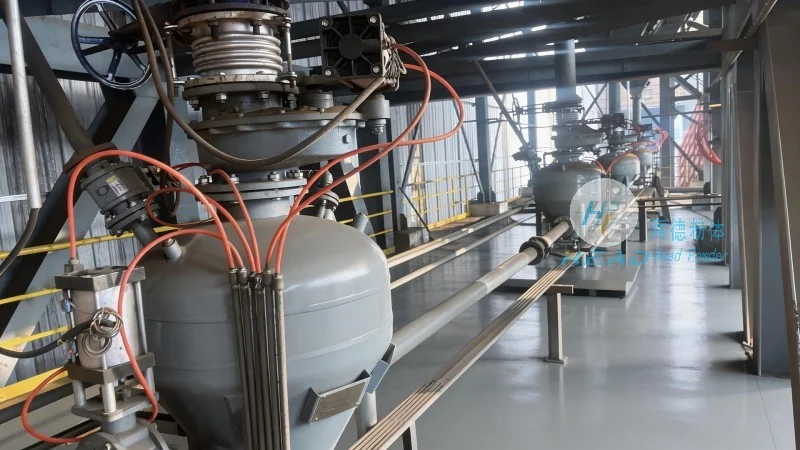
Modern foam plastic material handling systems often incorporate advanced control and automation features to enhance efficiency and safety. Control panels use sensors and control systems to monitor the entire operation, adjusting parameters like flow rate, speed, and pressure as needed. Automation can include features like automatic start/stop functions, overload detection, and material level monitoring. These features reduce the need for manual intervention, minimize human error, and improve overall system performance. Additionally, automation can help in maintaining consistent material quality by ensuring uniform flow and processing conditions. Shandong HeadPowder Engineering Co., Ltd. integrates these advanced features into their systems to provide clients with reliable and efficient solutions.
Applications and Industries Using Foam Plastic Handling Systems
Foam plastic material handling systems are widely used in various industries. In the manufacturing industry, they are used to transport foam components to assembly lines. In the packaging industry, they help in moving foam packaging materials to packaging machines. In the construction industry, they are used to handle foam insulation materials for building projects. Each industry has specific requirements, and the design of the handling system is tailored to meet those needs. For example, in the automotive industry, foam handling systems are used to transport foam parts for car interiors, requiring precise control over material flow to ensure proper fitting and quality. The systems from Shandong HeadPowder Engineering Co., Ltd. are designed to handle such specific needs effectively.




