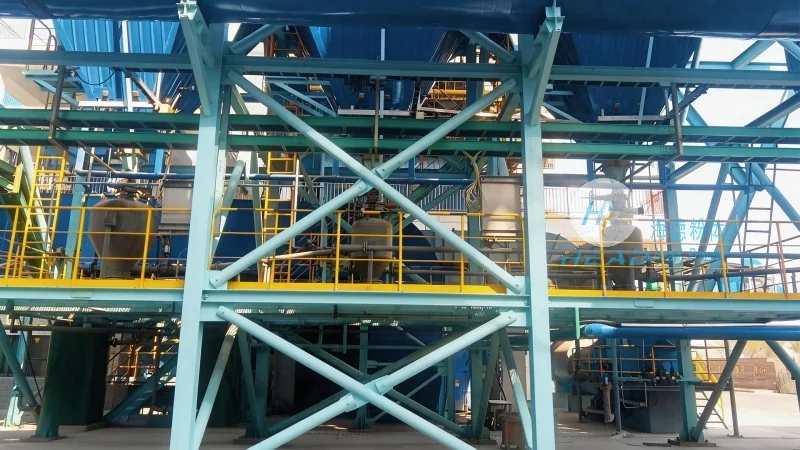
Clay material conveying lines are specialized industrial systems engineered to transport clay and related materials efficiently and safely. These systems are crucial in various industries, including ceramics, construction, and mining, where the handling of clay-based materials is a common requirement. The design of such conveying lines involves a combination of mechanical components, control systems, and material handling expertise to ensure optimal performance and reliability. Developed by Shandong HeadPowder Engineering Co., Ltd., a leading manufacturer based in China, these systems are tailored to meet the specific needs of industrial operations.
Introduction to Clay Material Conveying Lines
Clay material conveying lines, also known as clay handling systems, are engineered to move clay and other similar bulk materials from one location to another within industrial facilities. These systems are essential for processes that involve raw material preparation, processing, and distribution. The primary goal of a clay conveying line is to achieve consistent, continuous, and safe material transport, minimizing downtime and operational costs. The design of these systems must consider the physical properties of clay, such as its moisture content, particle size, and flow characteristics, to ensure efficient operation.
Key Components of a Clay Material Conveying Line
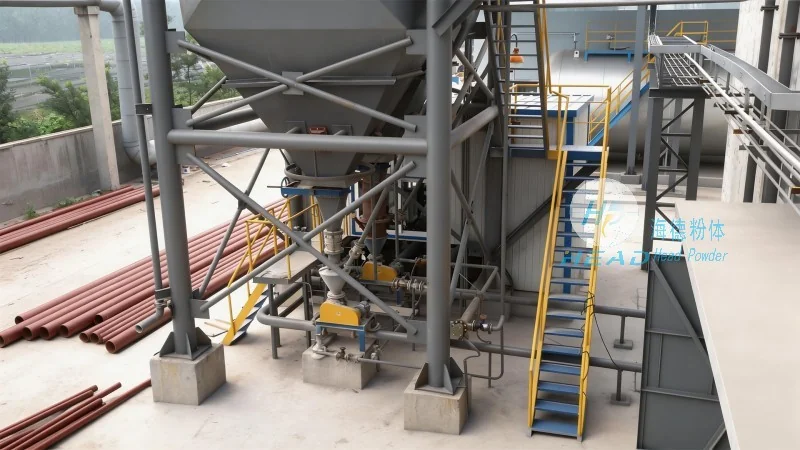
The core components of a clay material conveying line typically include feeders, conveyors, and control systems. Feeders are responsible for uniformly feeding clay into the conveying system, ensuring a steady flow rate. Common types of feeders include screw feeders, belt feeders, and vibratory feeders, each chosen based on the specific characteristics of the clay material. Conveyors, such as belt conveyors, chain conveyors, or pneumatic conveyors, are used to transport the clay over longer distances. The choice of conveyor type depends on factors like the material's moisture level, particle size, and the required conveying capacity. Control systems, including sensors and automation devices, monitor and regulate the operation of the conveying line, ensuring it operates within optimal parameters and responding to changes in material flow or system conditions.
Design Principles for Clay Material Conveying Lines
The design principles of clay material conveying lines focus on several key aspects to ensure efficiency, reliability, and safety. First, the system must be designed to handle the unique properties of clay, such as its tendency to stick or clump, which can affect flow and conveyor performance. This often involves incorporating features like anti-sticking surfaces, cleaning mechanisms, and adjustable feed rates to maintain consistent material movement. Second, the conveying line must be designed for durability and resistance to wear, as clay can be abrasive and cause significant wear on conveyor components over time. Materials like stainless steel, high-grade alloys, and wear-resistant coatings are commonly used to extend the lifespan of the system. Third, the design must prioritize safety, incorporating features like emergency stop buttons, overload protection, and proper ventilation to prevent accidents and ensure operator safety. Additionally, the system should be designed for easy maintenance and cleaning, as clay can accumulate and require regular maintenance to maintain performance.
Application Examples and Industry Use Cases
Clay material conveying lines are widely used in various industries where clay is a primary raw material. In the ceramics industry, for example, these systems are used to transport clay from storage silos to processing machines, ensuring a consistent supply for production. In construction, clay conveying lines are used to move clay for brick-making or other building materials, supporting the manufacturing process. In mining and mineral processing, clay conveying lines are used to transport clay and other bulk materials from extraction sites to processing facilities. The versatility of clay material conveying lines makes them suitable for a wide range of applications, from small-scale operations to large industrial facilities.
Advantages of Using a Clay Material Conveying Line
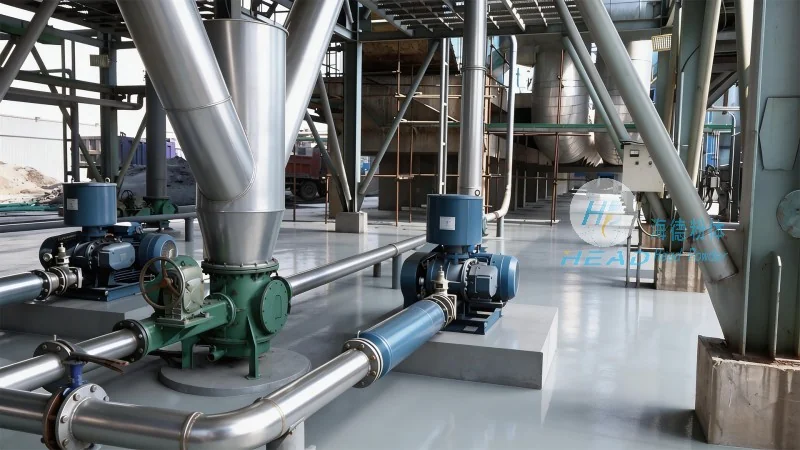
Implementing a clay material conveying line offers several advantages for industrial operations. First, these systems improve efficiency by providing a continuous and consistent flow of clay, reducing the need for manual handling and minimizing downtime. This leads to increased productivity and reduced operational costs. Second, the automated nature of the system enhances safety by minimizing the risk of accidents associated with manual material handling. Third, the design of clay conveying lines allows for precise control over material flow, ensuring that the correct amount of clay is delivered to processing equipment. This precision helps maintain product quality and consistency. Finally, the durability and maintenance features of these systems ensure long-term reliability, reducing the need for frequent repairs and replacements.
Conclusion
Clay material conveying lines are essential industrial systems that play a critical role in the efficient handling and transport of clay-based materials. The design principles behind these systems focus on addressing the unique properties of clay, ensuring durability, safety, and ease of maintenance. By incorporating specialized components and control systems, clay conveying lines provide reliable and efficient material transport, supporting various industrial processes. For industries relying on clay as a raw material, investing in a well-designed clay material conveying line is a strategic decision that enhances operational efficiency and product quality.




