For industrial applications involving the handling of magnesium silicate materials, a specialized conveying line is often required to ensure efficient and safe material transport. This article explores the concept of a magnesium silicate material conveying line, detailing its design principles and the key factors that contribute to its effectiveness in various industrial settings.
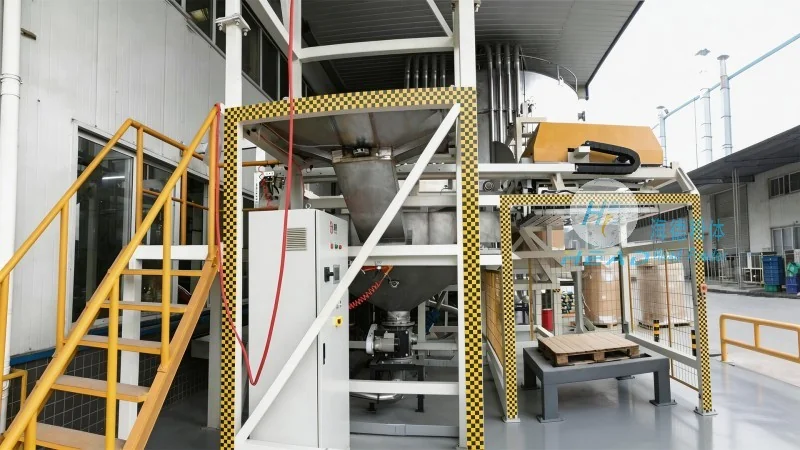
Understanding the Magnesium Silicate Material Conveying Line
A magnesium silicate material conveying line is a system engineered to transport magnesium silicate powders or granules from one location to another within an industrial facility. These materials are commonly used in industries such as construction, ceramics, and chemical manufacturing due to their unique properties, including high thermal stability and excellent refractory characteristics. The conveying line typically consists of components like hoppers, feeders, conveyors (e.g., screw, belt, or pneumatic), and control systems, all working in tandem to move the material with precision and minimal loss.
Key Design Principles for Efficient Material Handling
The design of a magnesium silicate material conveying line is guided by several critical principles to ensure optimal performance. First, the system must be tailored to the physical properties of the magnesium silicate material, such as its particle size distribution, flowability, and moisture content. For example, cohesive or fine powders may require specialized feeders like rotary valves or vibratory feeders to prevent blockages and ensure consistent flow. Second, the conveying method must be selected based on the material's characteristics and the distance to be covered. Screw conveyors are ideal for horizontal or slight incline transport, while pneumatic conveying systems are suitable for longer distances or when the material is sensitive to moisture or contamination. Third, the system must incorporate robust sealing and dust control measures, as magnesium silicate powders can be fine and generate dust during handling, which poses health and safety risks. Additionally, the design should prioritize energy efficiency and low maintenance requirements to reduce operational costs over time.
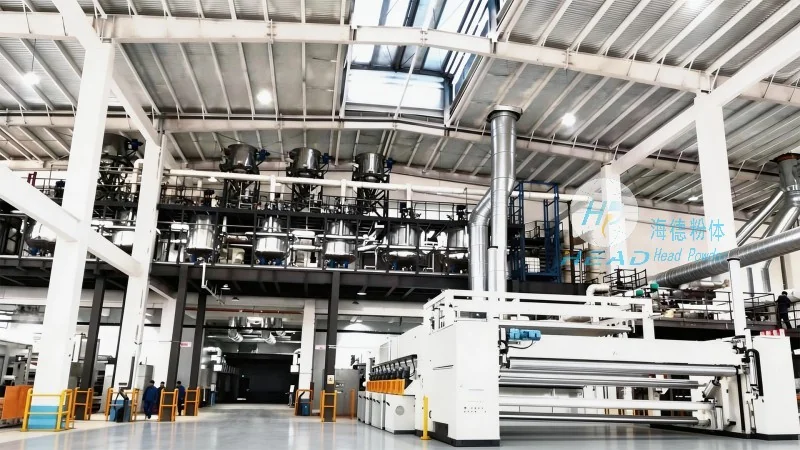
Components and Functionality of the Conveying Line
The core components of a magnesium silicate material conveying line include: 1. Hoppers: These are storage vessels that hold the raw material before it is fed into the conveying system. They are designed with smooth, sloped walls to prevent material buildup and ensure uniform discharge. 2. Feeders: Feeders regulate the flow rate of the material from the hopper to the conveyor. Common types include screw feeders, vibratory feeders, and rotary valves, each chosen based on the material's flow characteristics. 3. Conveyors: The primary component for moving the material, such as screw conveyors, belt conveyors, or pneumatic pipelines. Screw conveyors use rotating screws to push material forward, while pneumatic systems use air pressure to transport material through pipes. 4. Control Systems: These include sensors, controllers, and alarms that monitor the system's operation, ensuring safe and efficient material transport. For example, level sensors in the hopper can trigger the feeder to start or stop, preventing overfilling or underfilling. 5. Dust Collection and Filtration: To manage dust generated during material handling, the system may include dust collectors and filters that capture and remove airborne particles, protecting both the environment and personnel.
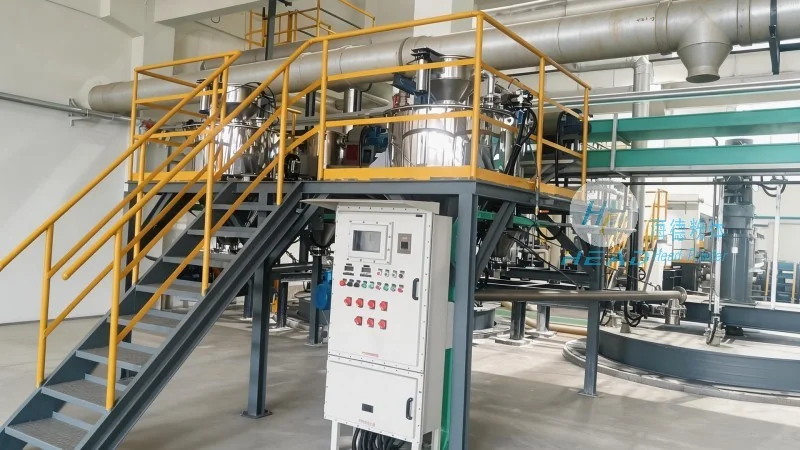
Applications and Industries Using Magnesium Silicate Conveying Lines
Magnesium silicate material conveying lines are widely used in various industrial sectors due to the versatility of magnesium silicate materials. In the construction industry, these lines are employed to transport refractory materials used in furnace linings and insulation products. The ceramics industry utilizes them to convey raw materials for tile and glass production, where consistent material quality is critical. Additionally, in the chemical manufacturing sector, the lines help transport magnesium silicate-based products used in water treatment and as additives in various formulations. Each application requires a customized conveying line design to meet specific process requirements, such as temperature resistance or material purity standards.
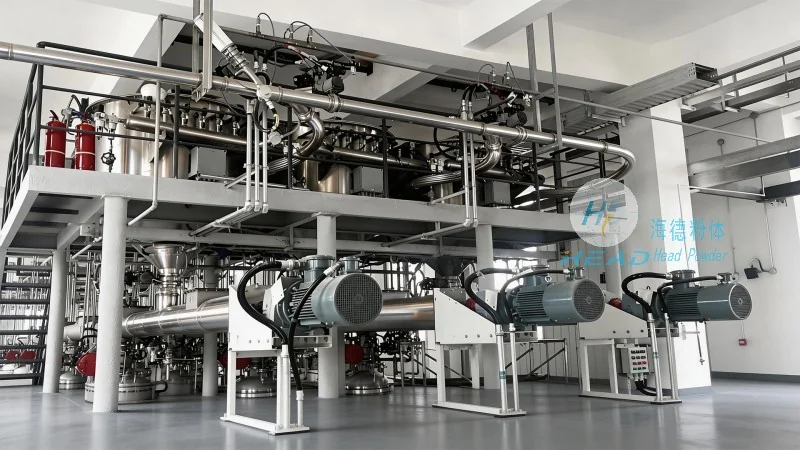
Advantages of Using a Specialized Conveying Line for Magnesium Silicate Materials
Implementing a dedicated magnesium silicate material conveying line offers several advantages over traditional manual or bulk handling methods. First, it enhances operational efficiency by automating the material transport process, reducing labor costs and minimizing downtime. Second, it improves material quality by ensuring consistent flow and preventing contamination or segregation of the material. Third, it enhances safety by reducing the exposure of workers to fine powders and eliminating manual handling of heavy loads. Fourth, it provides better control over the material's moisture content and temperature, which is crucial for maintaining the material's properties in downstream processes. Finally, specialized conveying lines are designed for durability and low maintenance, leading to long-term cost savings and increased system reliability.
About Shandong HeadPowder Engineering Co., Ltd.
Shandong HeadPowder Engineering Co., Ltd., a leading manufacturer in the field of material handling equipment, specializes in designing and manufacturing high-quality conveying lines for various industrial applications. With years of experience and a commitment to innovation, the company provides tailored solutions for handling magnesium silicate materials and other challenging powders. HeadPowder's engineering team works closely with clients to understand their specific needs and develop customized conveying systems that meet their operational requirements. The company's facilities are equipped with advanced technology and quality control measures to ensure that each product meets the highest standards of performance and safety. HeadPowder's mission is to deliver reliable, efficient, and cost-effective material handling solutions that enhance the productivity and safety of industrial operations.




