For industries dealing with wood processing, understanding the efficient handling of sawdust and wood flakes is crucial. A specialized system known as the sawdust wood flakes material conveying line plays a pivotal role in this process. This article delves into the definition of such a system and explores the underlying design principles that make it effective for material transport and processing.
Understanding the Sawdust Wood Flakes Material Conveying Line
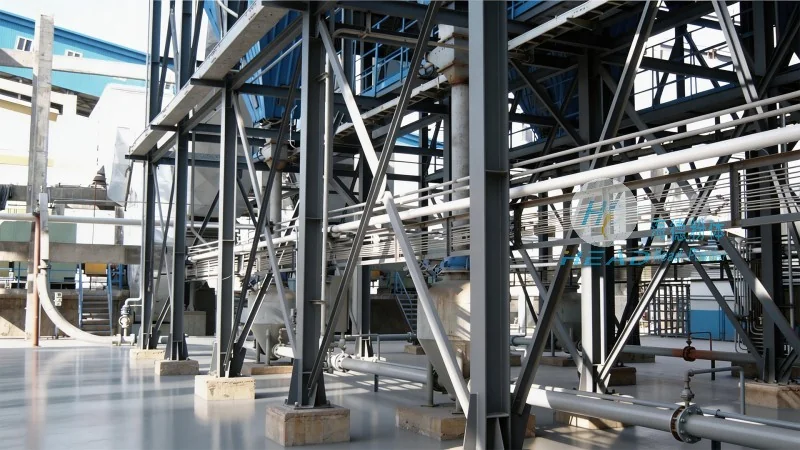
The sawdust wood flakes material conveying line is a comprehensive system engineered to transport, process, and manage sawdust and wood flakes from production sites to storage or further processing stages. It integrates various components like feeders, conveyors, and control systems to ensure the smooth and efficient movement of these lightweight, often abrasive materials. This system is particularly vital in wood processing facilities, where the consistent handling of sawdust and wood flakes can significantly impact operational efficiency and product quality.
Key Components and Functions of the Conveying Line
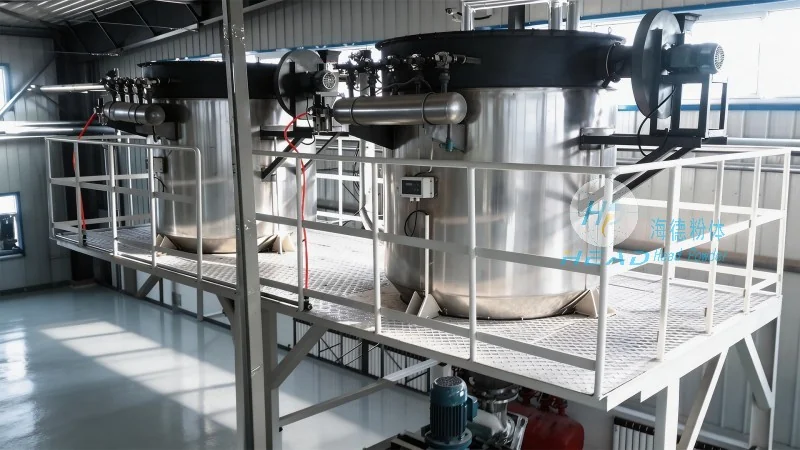
At the core of the sawdust wood flakes material conveying line are several key components that work in tandem to achieve optimal performance. The system typically begins with a hopper or feeder that collects raw sawdust and wood flakes, ensuring a steady supply to the conveyor. From there, various types of conveyors, such as belt conveyors or pneumatic systems, are employed to transport the material. These conveyors are designed to handle the specific characteristics of sawdust and wood flakes, including their lightweight nature and potential for dust generation. Additionally, the system may include components like classifiers or separators to sort materials based on size or density, enhancing the purity of the final product. Control systems are integrated to monitor and adjust the flow rate, ensuring that the conveying process remains stable and efficient under varying conditions.
Design Principles for Efficient Material Handling
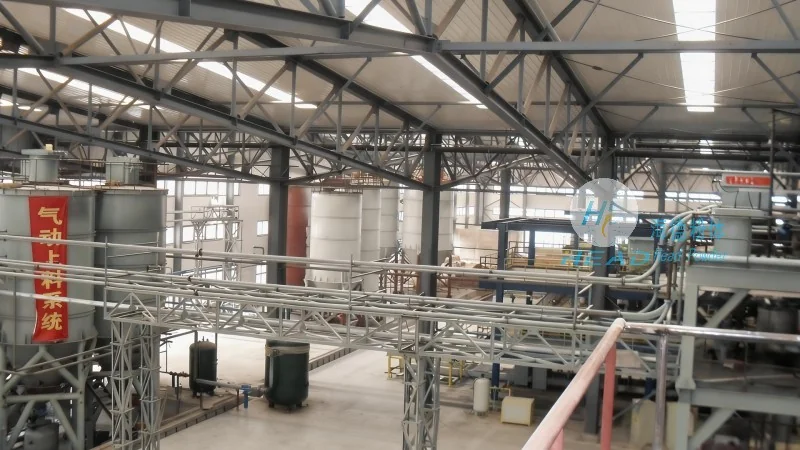
The design of a sawdust wood flakes material conveying line is guided by several fundamental principles aimed at maximizing efficiency, minimizing energy consumption, and ensuring durability. One primary principle is the optimization of material flow, which involves selecting the appropriate conveyor type and speed based on the properties of the sawdust and wood flakes. For instance, belt conveyors are commonly used due to their ability to handle bulk materials over long distances with minimal maintenance. The system also emphasizes the use of materials that are resistant to abrasion and corrosion, as sawdust and wood flakes can be abrasive and may contain moisture or chemicals that could degrade equipment over time. Furthermore, the design incorporates features like dust suppression and filtration to maintain a clean working environment and comply with environmental regulations. The integration of sensors and automation in the control systems allows for real-time monitoring and adjustment, ensuring that the conveying line operates at peak performance and adapts to changes in production demands.
Applications and Benefits in Wood Processing
The sawdust wood flakes material conveying line finds extensive applications in various wood processing industries, including sawmills, particle board factories, and biomass energy plants. In sawmills, it efficiently transports sawdust from cutting operations to storage or to be used as fuel. In particle board manufacturing, the system ensures a consistent supply of wood flakes to the production line, which is critical for maintaining product uniformity. For biomass energy facilities, the conveying line is essential for transporting sawdust to biomass boilers, where it is burned to generate heat or electricity. The benefits of this system extend beyond just material transport; it enhances overall operational efficiency by reducing downtime, minimizing waste, and improving product quality. By streamlining the handling of sawdust and wood flakes, the system contributes to cost savings and environmental sustainability in wood processing operations.
Conclusion and Company Overview
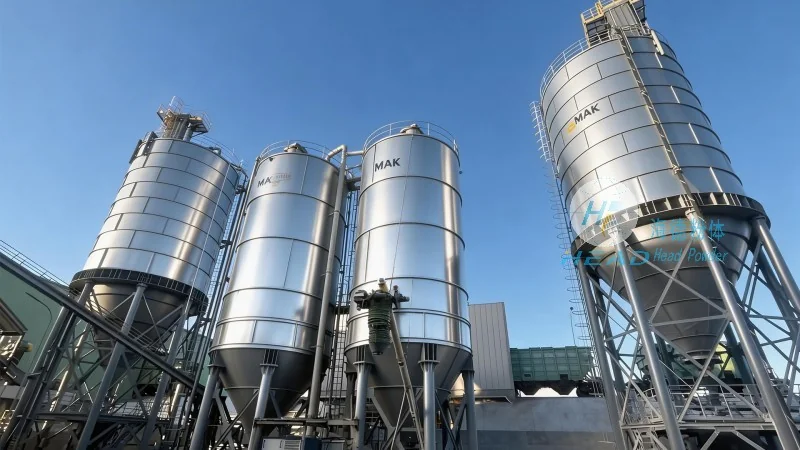
In conclusion, the sawdust wood flakes material conveying line is a sophisticated and essential system in the wood processing industry. Its design, based on principles of efficient material flow, durability, and environmental compliance, ensures that sawdust and wood flakes are handled effectively from production to final use. The system's components, including feeders, conveyors, and control systems, work together to achieve optimal performance, supporting the operational needs of wood processing facilities. As a leader in engineering solutions for material handling, Shandong HeadPowder Engineering Co., Ltd. specializes in designing and manufacturing such systems, providing tailored solutions that meet the specific requirements of clients in the wood industry. With a focus on quality and innovation, HeadPowder delivers reliable and efficient conveying lines that enhance productivity and sustainability in wood processing operations.




