When it comes to the efficient handling and transportation of synthetic fiber powders, specialized equipment plays a crucial role in industrial processes. A synthetic fiber powder conveyor is a key piece of machinery designed to manage the movement of these materials with precision and reliability. This article will explore what such a conveyor is and delve into its underlying design principles, providing insights into how it operates and its significance in various industrial applications.
Introduction to Synthetic Fiber Powder Conveyors
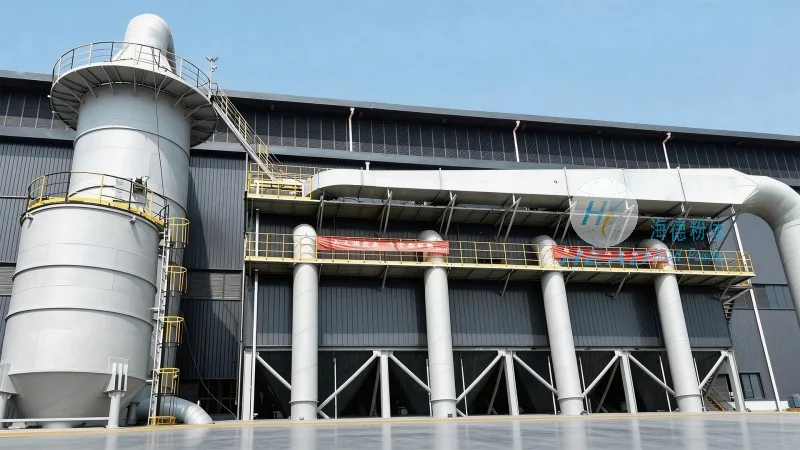
Synthetic fiber powders, such as those used in textiles, composites, and other manufacturing sectors, require careful handling due to their fine particle size and potential for dust generation. Traditional conveying methods may struggle with these characteristics, leading to issues like clogging, material loss, or uneven distribution. The synthetic fiber powder conveyor addresses these challenges by integrating advanced engineering solutions tailored to the unique properties of synthetic fibers. HeadPowder, a leading manufacturer based in Shandong, China, specializes in developing high-performance conveying systems that meet the demands of modern industrial operations.
Key Components and Structure of the Conveyor
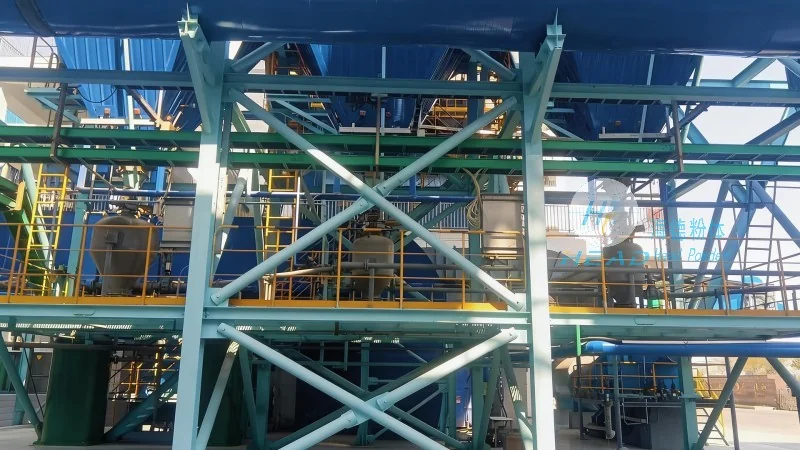
The synthetic fiber powder conveyor typically consists of several critical components that work in harmony to ensure smooth material flow. The main elements include a hopper for material storage, a feeding mechanism to control the flow rate, a conveying section (often using screw or pneumatic technology), and a discharge outlet. The hopper is designed with a sloped interior to prevent material bridging and ensure consistent feeding. The feeding mechanism, such as a rotary valve or screw feeder, regulates the amount of powder entering the conveyor, preventing overloading and maintaining stable operation. The conveying section may employ screw conveyors, which use rotating screws to move material along a tube, or pneumatic systems that utilize air pressure to transport powders through pipelines. The discharge outlet is strategically positioned to direct the material to the next processing stage or storage area.
Design Principles for Efficient Material Handling
The design of a synthetic fiber powder conveyor is guided by several fundamental principles aimed at optimizing performance, minimizing downtime, and ensuring safety. One of the primary principles is the minimization of material degradation. Synthetic fibers are sensitive to friction and impact, which can cause breakage or contamination. Therefore, the conveyor's internal surfaces are often lined with materials like food-grade stainless steel or special coatings that reduce wear and prevent particle damage. Another key principle is the prevention of dust accumulation and explosion hazards. The system incorporates sealed components and explosion-proof designs to comply with safety regulations and protect personnel and equipment. Additionally, the conveyor is designed for easy maintenance and cleaning, with removable parts that allow for quick inspection and replacement of worn components. The control system, which may include variable speed drives and sensors, provides real-time monitoring of the conveying process, enabling operators to adjust parameters as needed to maintain optimal performance.
Applications and Benefits in Industrial Settings
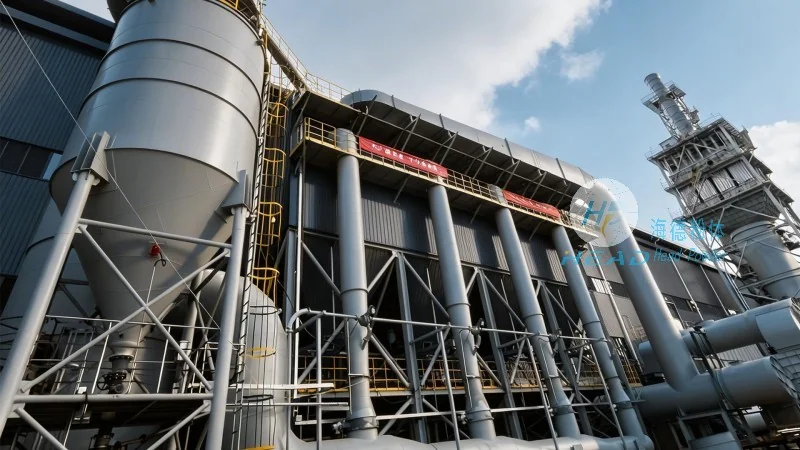
Synthetic fiber powder conveyors are widely used in various industries, including textiles, automotive, and construction. In the textile industry, they are essential for transporting fibers to spinning machines, ensuring consistent quality and production rates. In automotive manufacturing, they help deliver synthetic fibers for composite materials, contributing to the production of lightweight and durable components. The benefits of using such conveyors include improved process efficiency, reduced labor costs, and enhanced product quality. By maintaining a consistent flow of material, these systems minimize bottlenecks and prevent production delays. Furthermore, the advanced design of the conveyor helps reduce material waste and environmental impact by minimizing dust emissions and ensuring complete material utilization.
Conclusion
In conclusion, a synthetic fiber powder conveyor is a sophisticated piece of equipment that plays a vital role in the efficient handling of synthetic fibers. Its design, based on principles of material flow, safety, and durability, ensures reliable performance in industrial settings. HeadPowder, with its expertise in engineering and manufacturing, provides high-quality conveying solutions that meet the specific needs of various industries. By understanding the design principles and applications of these conveyors, businesses can enhance their operational efficiency and maintain a competitive edge in their respective markets.




