Calcium hydroxide, commonly known as slaked lime, is a widely used chemical in various industrial applications. Its powder form requires efficient and reliable material handling systems to ensure safe and effective processing. This article explores the material handling of calcium hydroxide powder and the underlying design principles that govern such systems.
Understanding Calcium Hydroxide Powder Properties
Before delving into the material handling aspects, it's crucial to understand the physical and chemical properties of calcium hydroxide powder. This chemical compound, with the formula Ca(OH)₂, is typically produced as a fine powder with a specific particle size distribution. The powder's hygroscopic nature, meaning it readily absorbs moisture from the air, and its potential to react with carbon dioxide to form calcium carbonate, are key factors that influence handling and storage requirements. Additionally, the powder's density and flow characteristics play a significant role in determining the type of equipment and system design needed for efficient transport and processing.
Key Design Principles for Calcium Hydroxide Powder Handling
The design of calcium hydroxide powder handling systems is guided by several fundamental principles aimed at ensuring safety, efficiency, and product integrity. One of the primary principles is the minimization of dust generation and exposure. Since calcium hydroxide is a fine powder, dust control is critical to prevent inhalation hazards and maintain a safe working environment. This is achieved through the use of enclosed systems, proper ventilation, and dust collection equipment. Another critical principle is the prevention of material bridging and caking in storage silos or hoppers. Calcium hydroxide powder can agglomerate over time, leading to blockages and uneven flow. To mitigate this, systems often incorporate vibration devices, air knives, or other anti-caking measures to maintain a free-flowing material.
A third important design principle is the selection of appropriate equipment for different stages of the handling process. For example, during loading or unloading, equipment such as rotary valves, screw conveyors, or pneumatic conveying systems may be used. The choice of equipment depends on factors like the material's flowability, the distance to be conveyed, and the required throughput. Pneumatic conveying, in particular, is often preferred for calcium hydroxide powder due to its ability to handle fine powders over long distances with minimal dust generation. However, it requires careful consideration of air pressure, velocity, and the design of the conveying line to prevent particle degradation or system blockages.
System Components and Their Functions
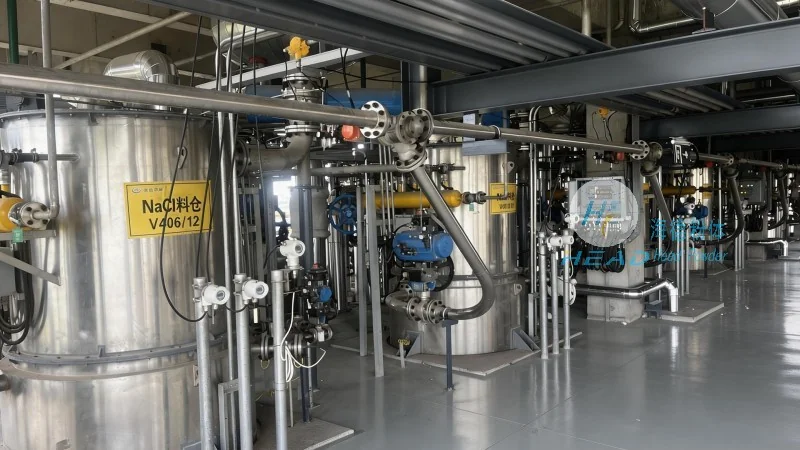
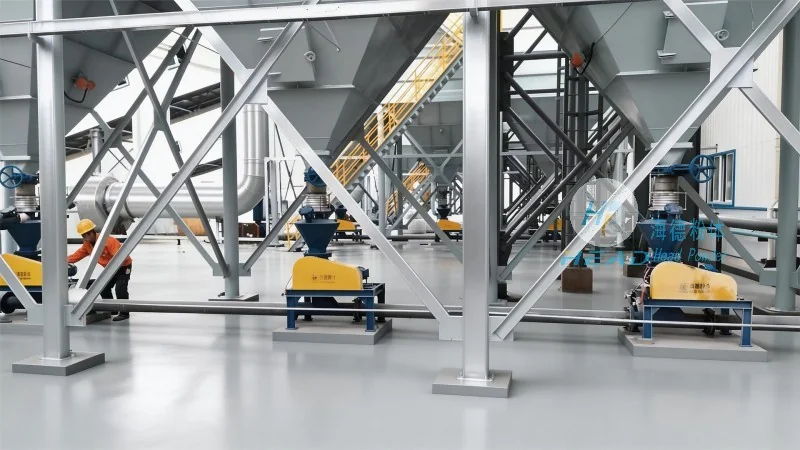
A typical calcium hydroxide powder handling system consists of several key components, each serving a specific function to ensure smooth operation. The primary components include storage silos or hoppers, feeding devices, conveying systems, and discharge equipment. Storage silos are designed to hold the bulk of the material and are often made of corrosion-resistant materials like stainless steel or lined with appropriate coatings to prevent chemical reactions with the powder. Feeding devices, such as rotary valves or vibratory feeders, regulate the flow of material from the storage silo to the conveying system, ensuring a consistent and controlled discharge rate.
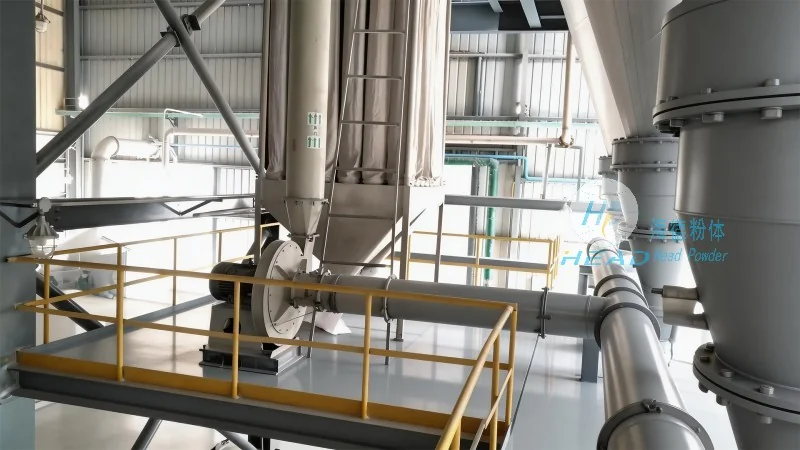
The conveying system is a critical part of the material handling process, responsible for transporting the powder from the storage area to the processing or packaging equipment. As mentioned earlier, pneumatic conveying is a common choice for calcium hydroxide powder due to its effectiveness in handling fine particles. These systems typically consist of a blower, a filter, and a conveying line with appropriate bends and elbows. The blower generates the necessary air pressure to move the powder, while the filter ensures that the air leaving the system is clean and free of dust. The conveying line is designed with smooth surfaces and minimal obstructions to prevent particle accumulation and blockages.
Discharge equipment, such as rotary valves or gate valves, controls the release of the powder from the conveying system to the final destination, such as a mixer or packaging machine. Properly designed discharge equipment ensures that the material flows evenly and without creating pressure surges or blockages. Additionally, the system may include monitoring and control devices, such as level sensors and pressure gauges, to provide real-time information about the material levels and system performance, allowing for timely adjustments and maintenance.
Safety and Environmental Considerations
Given the properties of calcium hydroxide powder, safety and environmental considerations are paramount in the design and operation of handling systems. The hygroscopic nature of the powder means that it can absorb moisture from the air, leading to increased dust generation and potential health hazards. Therefore, proper sealing and moisture control are essential to maintain the powder's quality and prevent dust exposure. Additionally, the system must be designed to prevent the release of dust into the environment, which can have negative impacts on air quality and nearby ecosystems. This is typically achieved through the use of enclosed systems, dust collection equipment, and proper ventilation.
Another safety consideration is the potential for the powder to react with carbon dioxide in the air, forming calcium carbonate, which can affect the material's properties and handling characteristics. To prevent this, the system should be designed to minimize exposure to air and maintain the powder in a dry, sealed environment whenever possible. Regular maintenance and cleaning of the equipment are also crucial to prevent the buildup of dust and debris, which can lead to system malfunctions or safety hazards.
Applications and Industry Use Cases
The efficient handling of calcium hydroxide powder is essential for its use in various industrial applications. These applications include water treatment, where calcium hydroxide is used to adjust pH levels and remove impurities; construction, where it is used as a component in cement and mortar; and agriculture, where it is used as a soil amendment to improve soil quality. In each of these applications, the material handling system must be tailored to the specific requirements of the process, ensuring that the powder is delivered in the correct form and quantity to achieve the desired results.
For example, in water treatment facilities, calcium hydroxide is often added to water to raise the pH and neutralize acidic conditions. The handling system must be able to deliver the powder in a controlled manner, ensuring that the correct dosage is added without causing excessive dust or clogging the equipment. In construction, the powder is used in the production of cement and mortar, where it is mixed with other materials to form a strong, durable product. The handling system must be able to transport the powder to the mixing plant efficiently and without compromising its quality. In agriculture, the powder is applied to soil to improve its fertility and structure, and the handling system must be able to distribute the powder evenly over the field.
Conclusion
The material handling of calcium hydroxide powder is a complex process that requires careful consideration of the chemical and physical properties of the material, as well as the design principles that govern efficient and safe handling systems. By understanding these principles and implementing appropriate equipment and controls, industries can ensure the reliable and effective use of calcium hydroxide powder in their operations. The key to successful material handling lies in the integration of proper storage, feeding, conveying, and discharge systems, all designed to maintain the quality of the powder and ensure a safe working environment. As a leading provider in this field, Shandong HeadPowder Engineering Co., Ltd. specializes in designing and manufacturing customized material handling solutions tailored to the specific needs of calcium hydroxide powder applications, ensuring optimal performance and safety for its clients.




